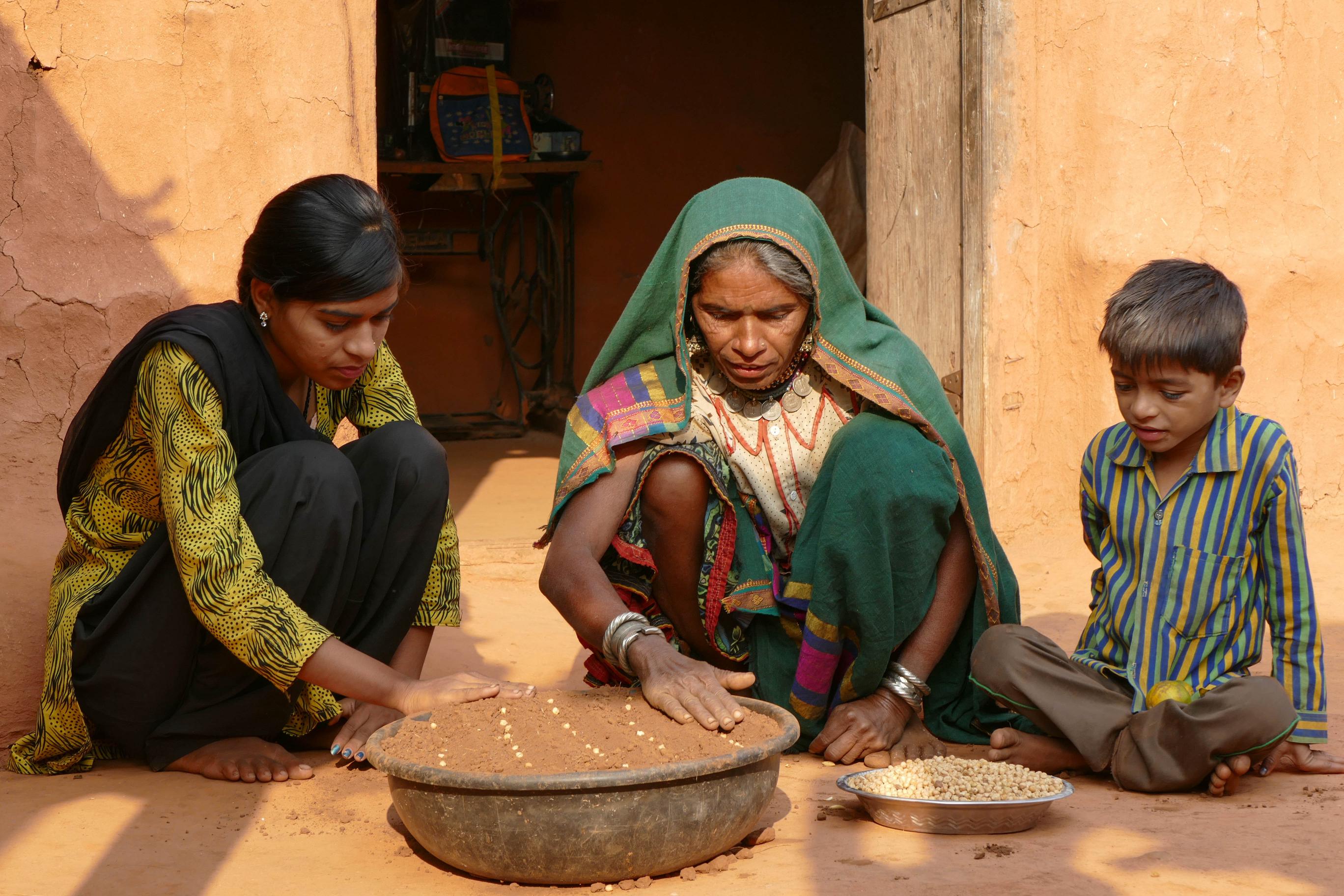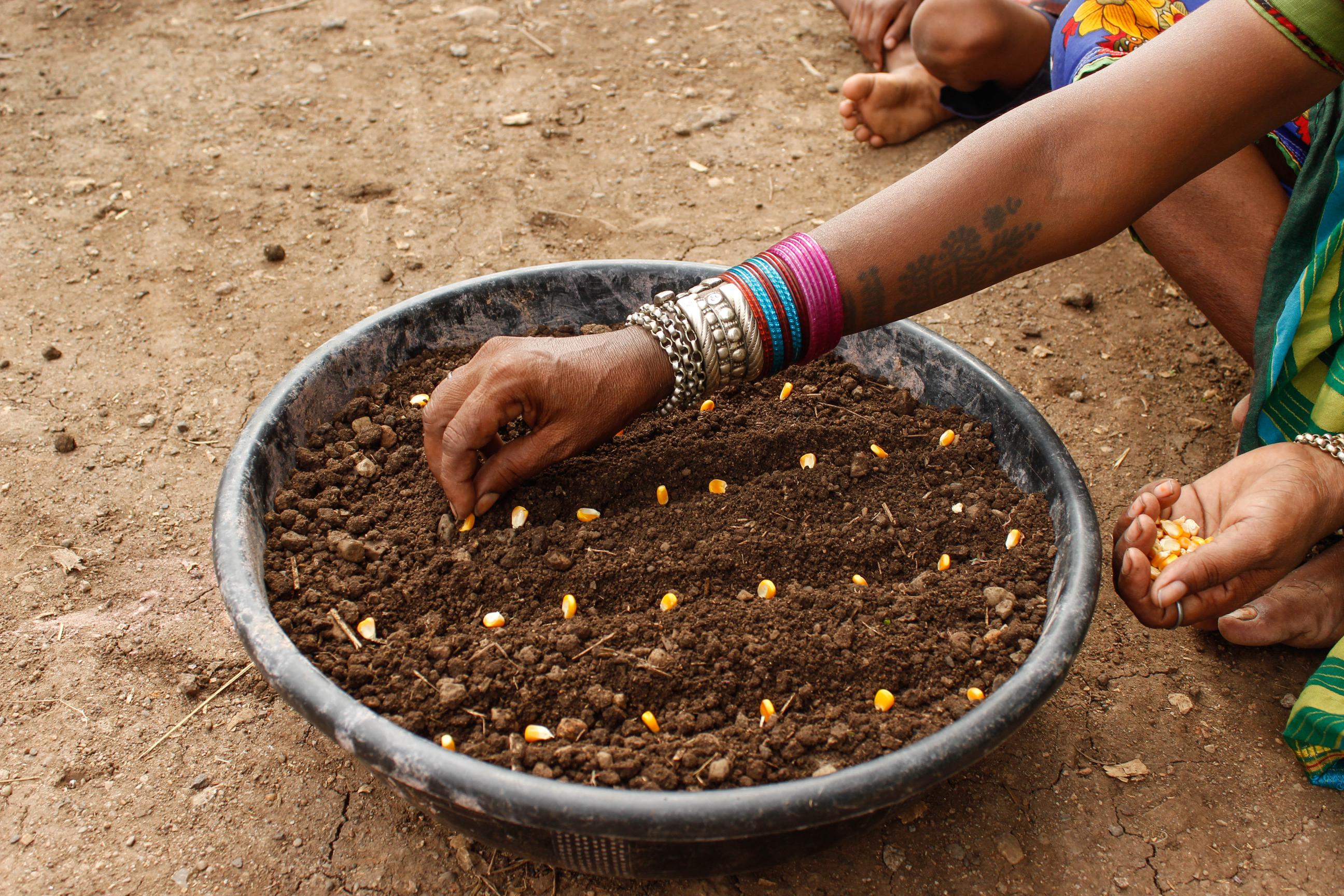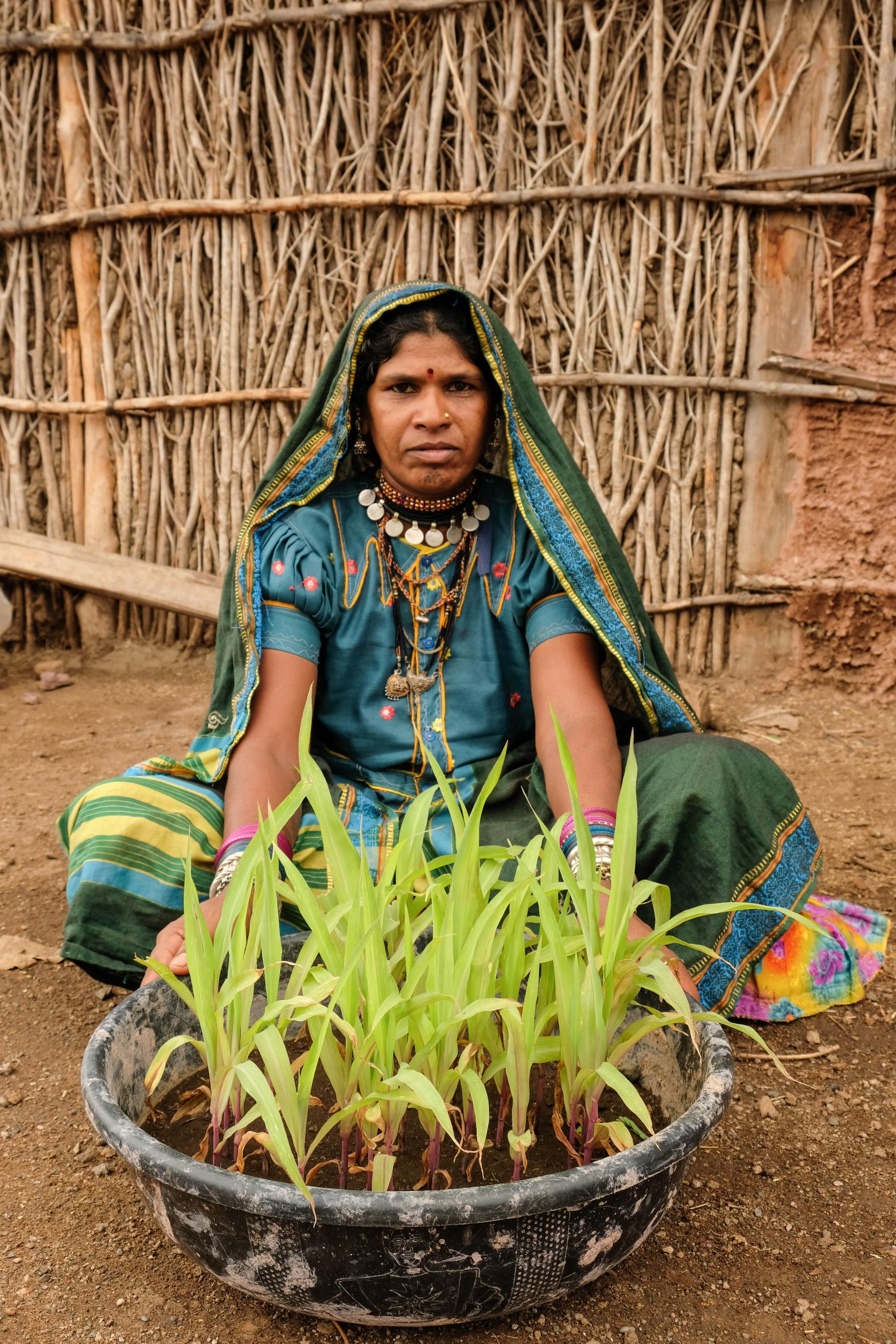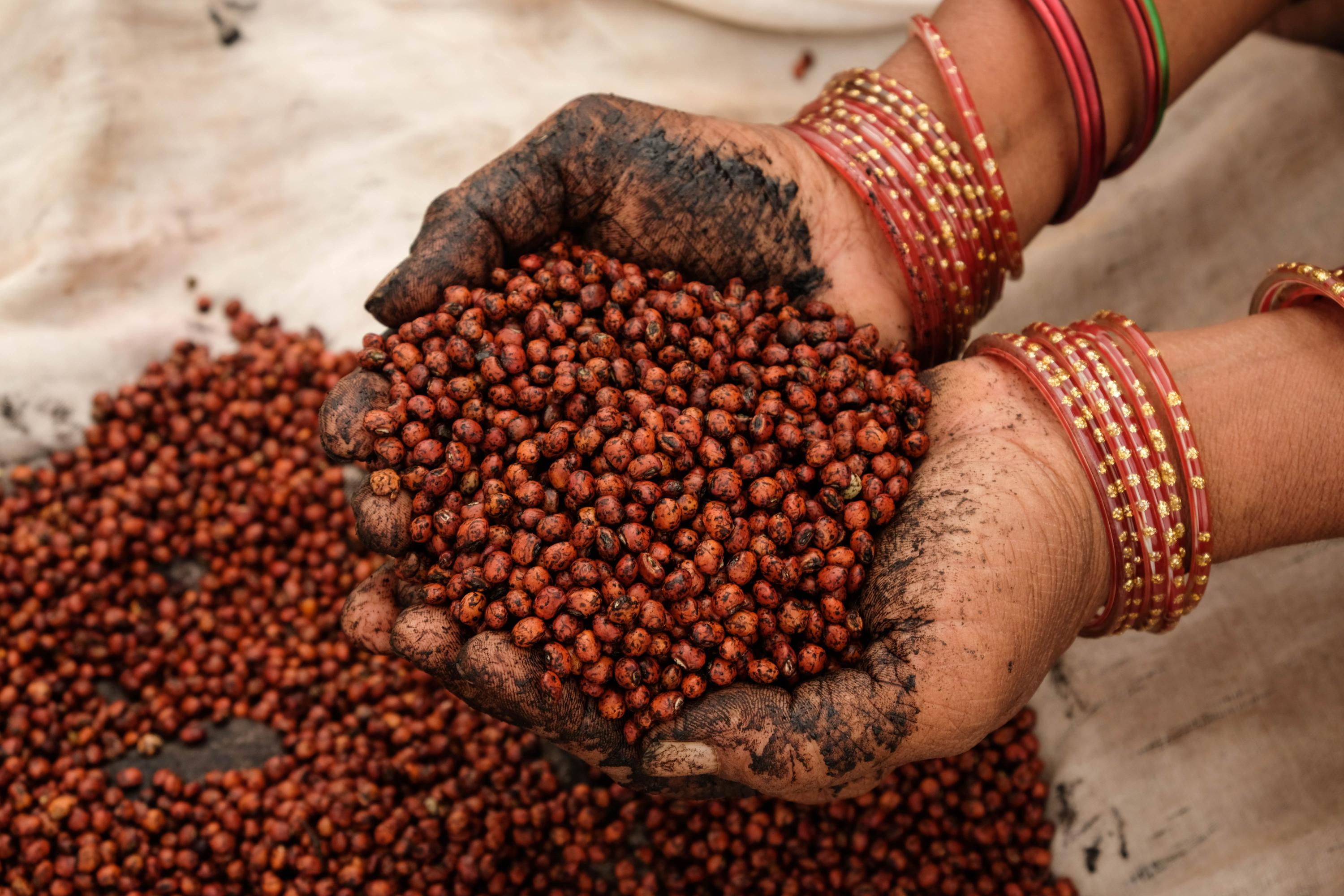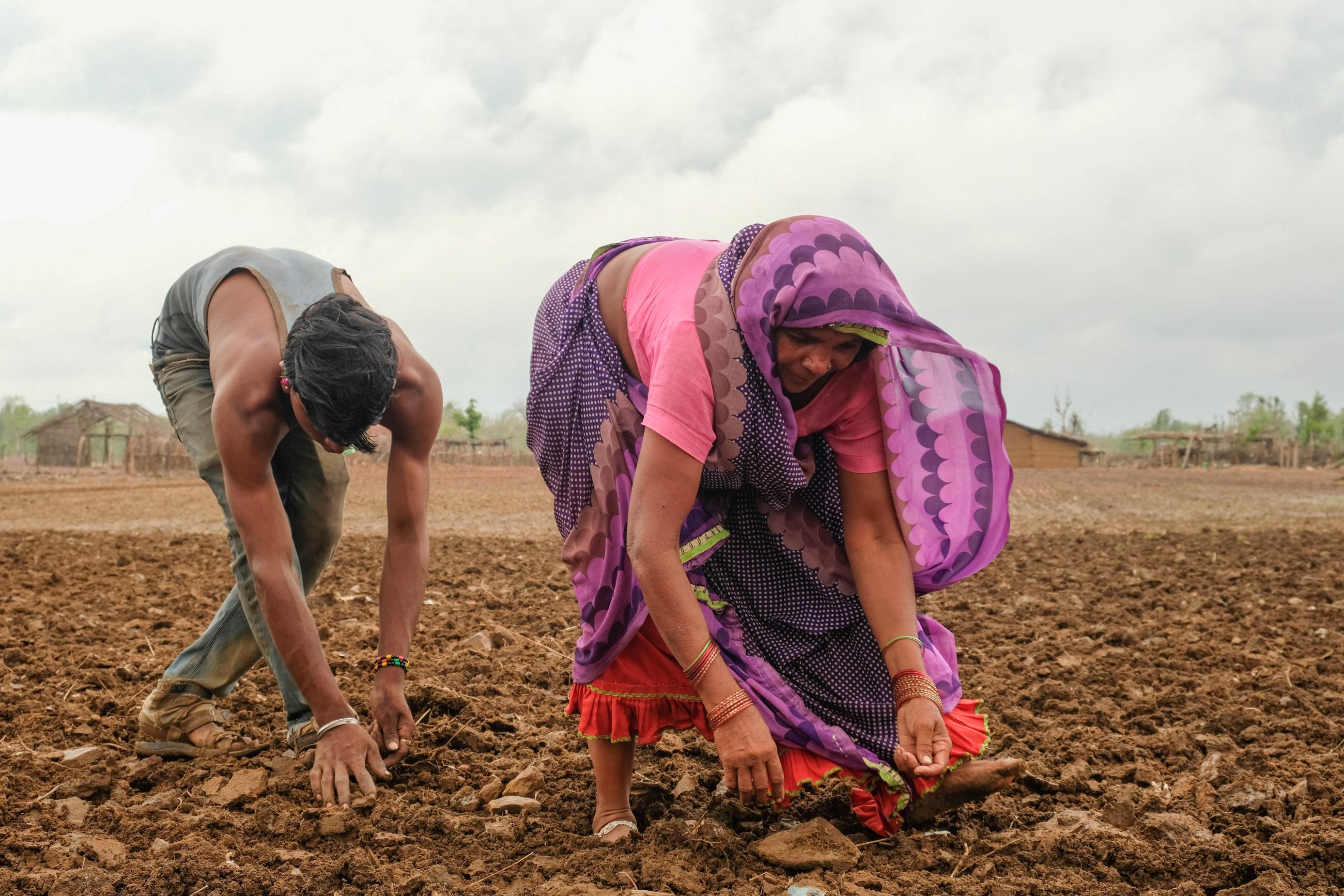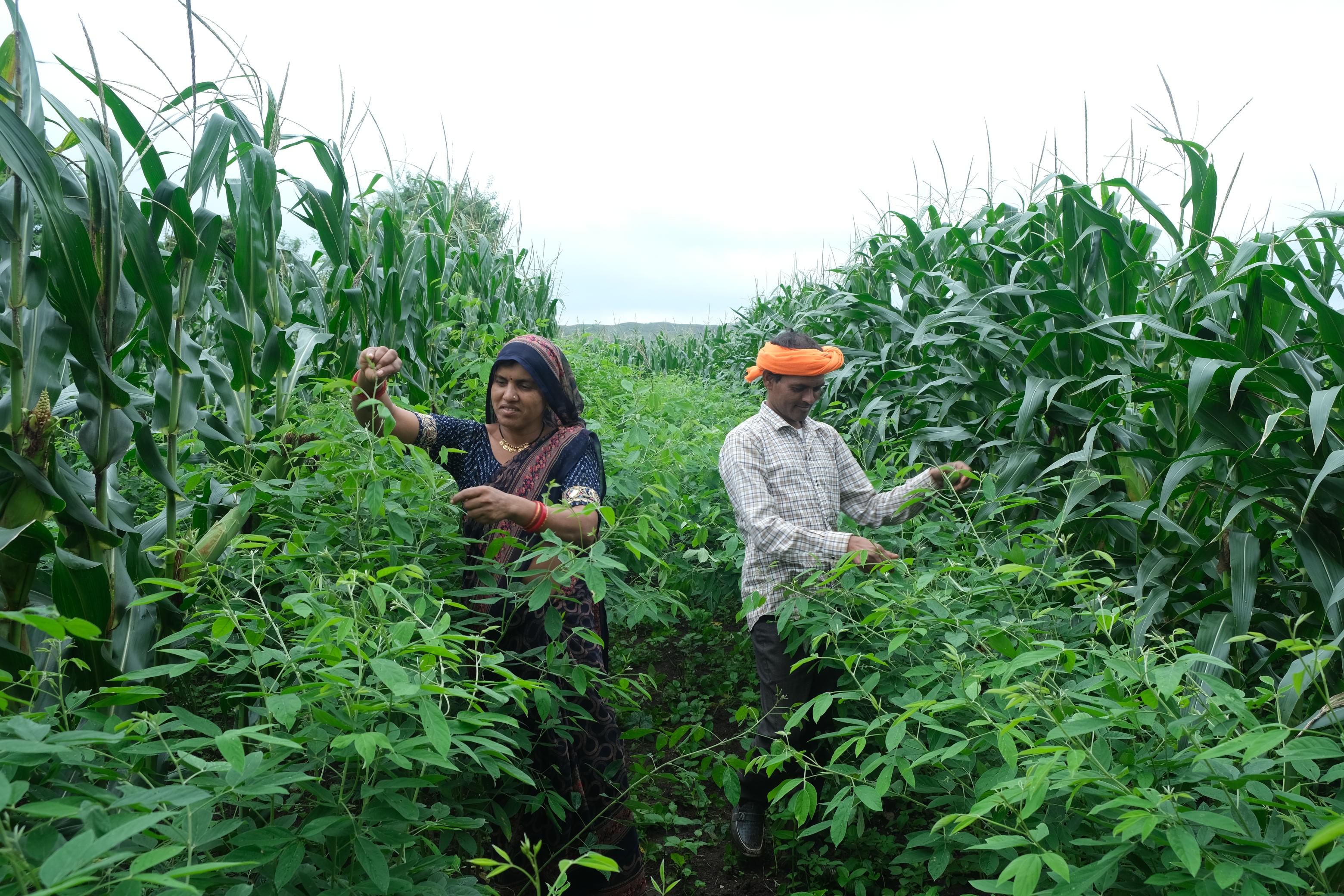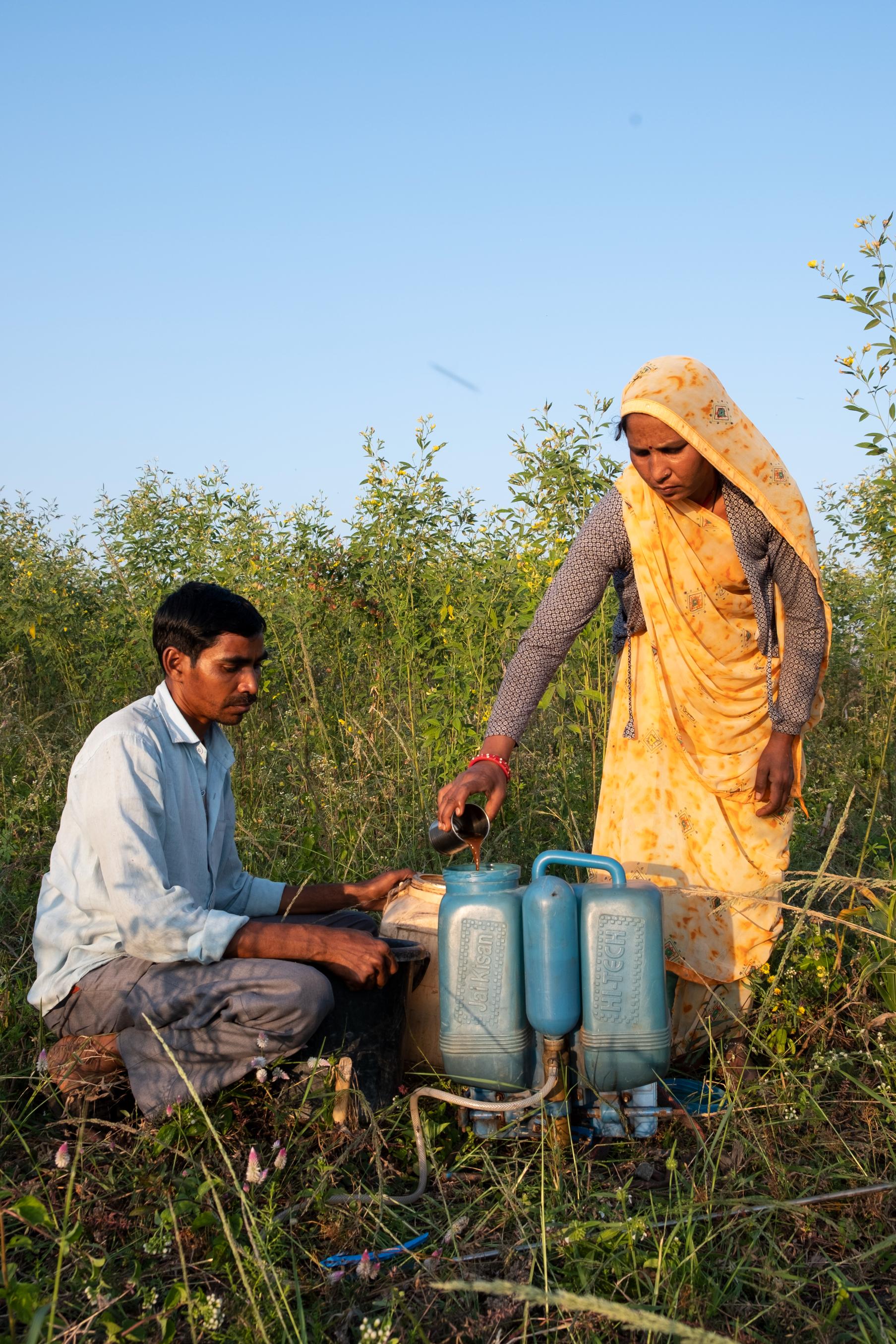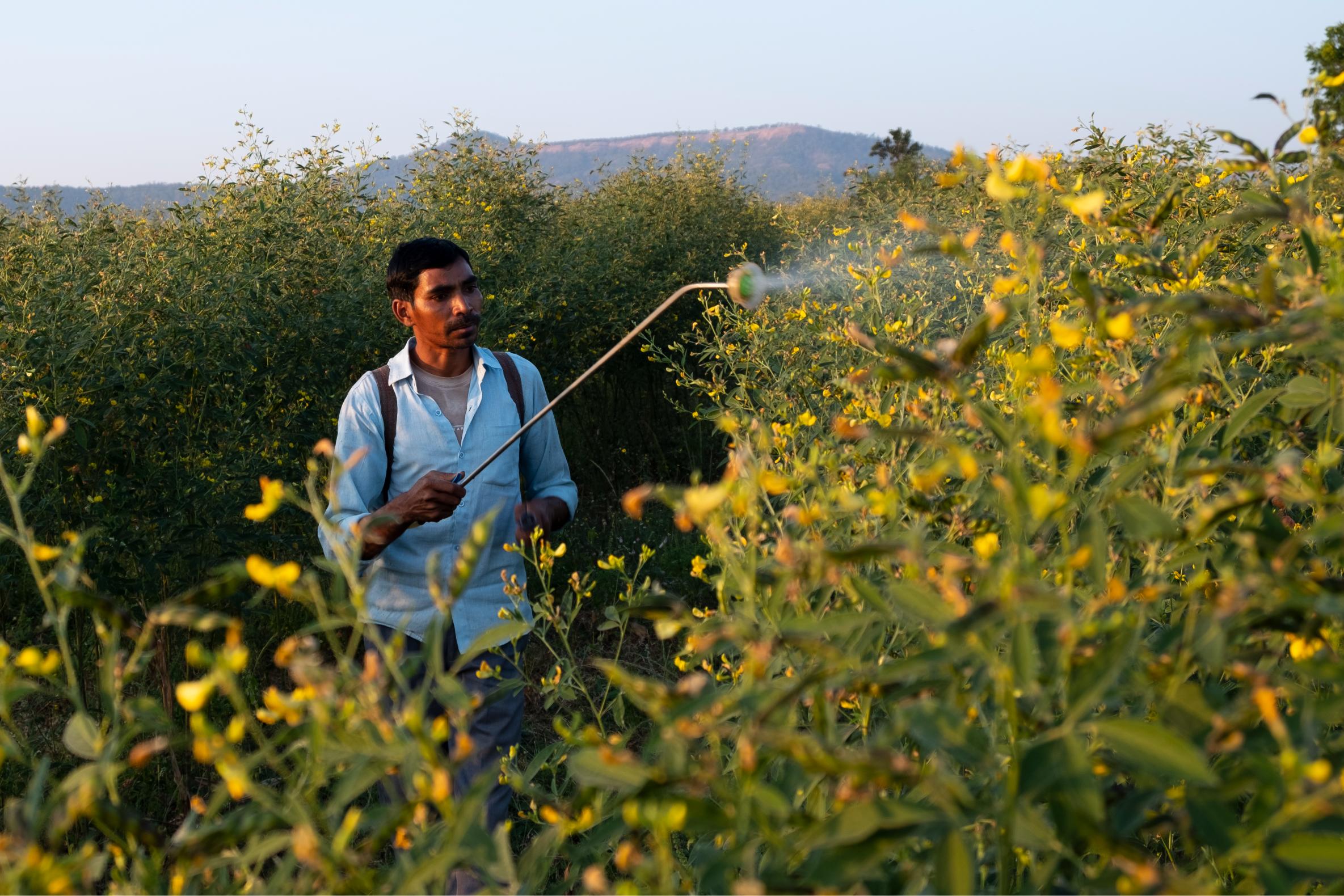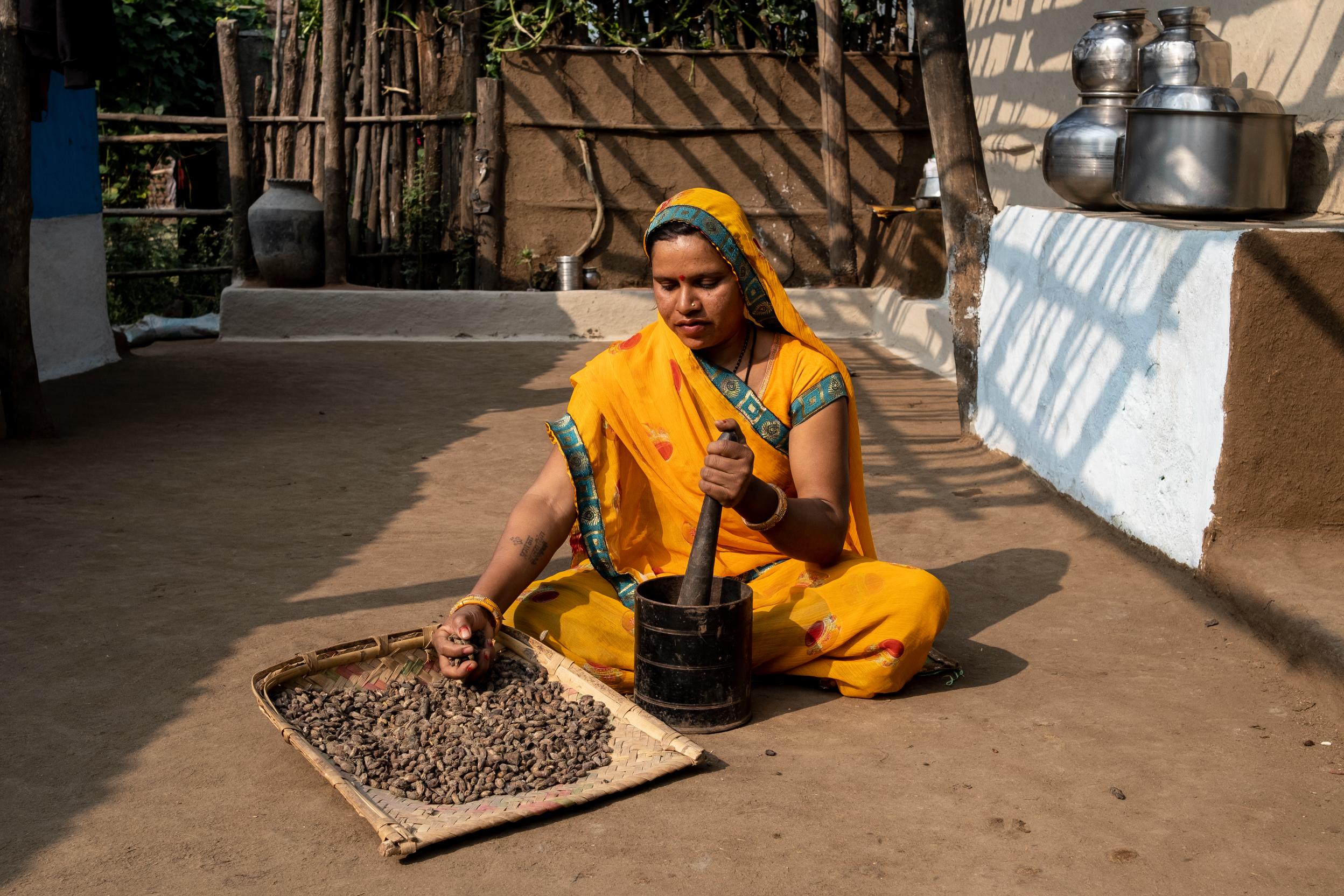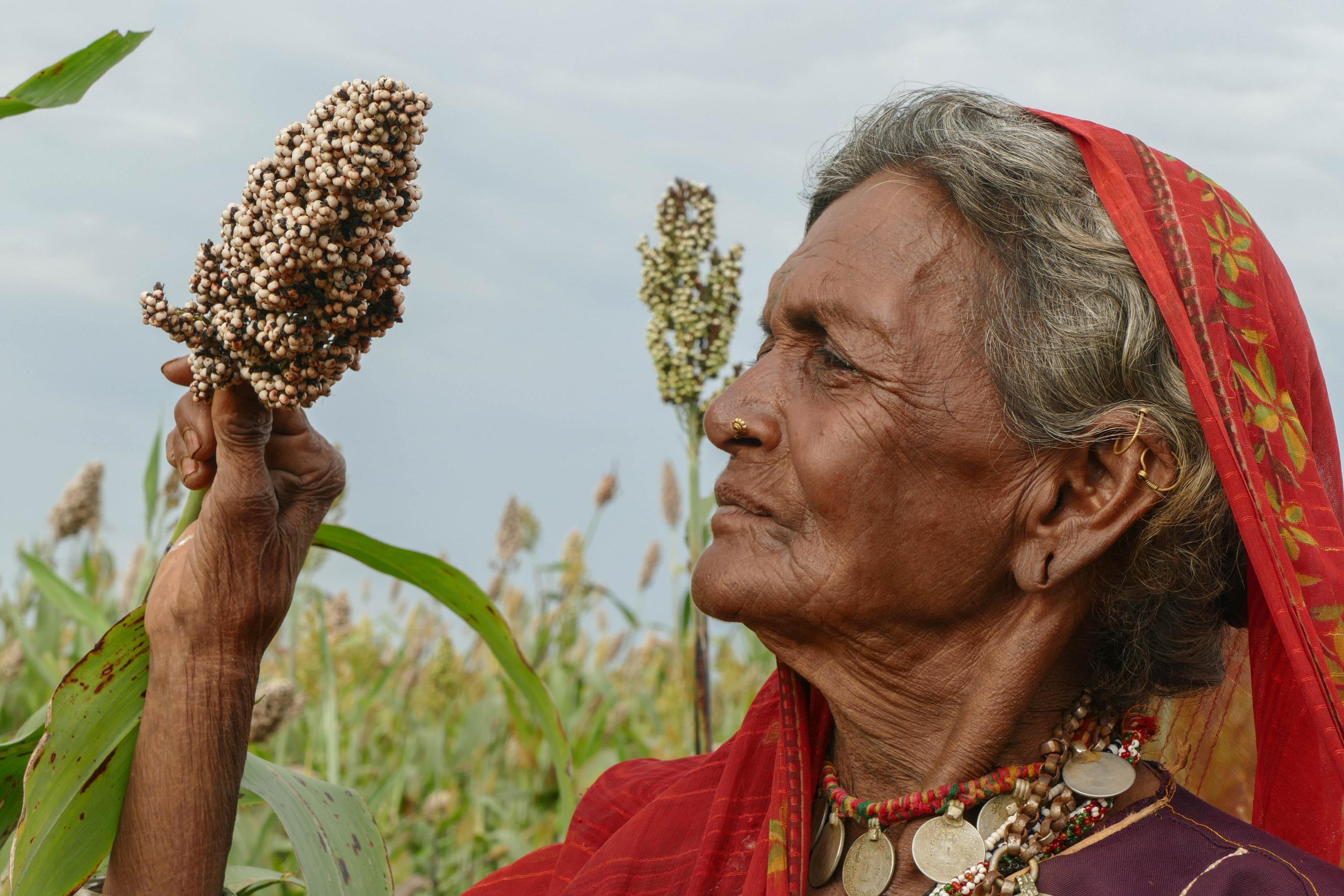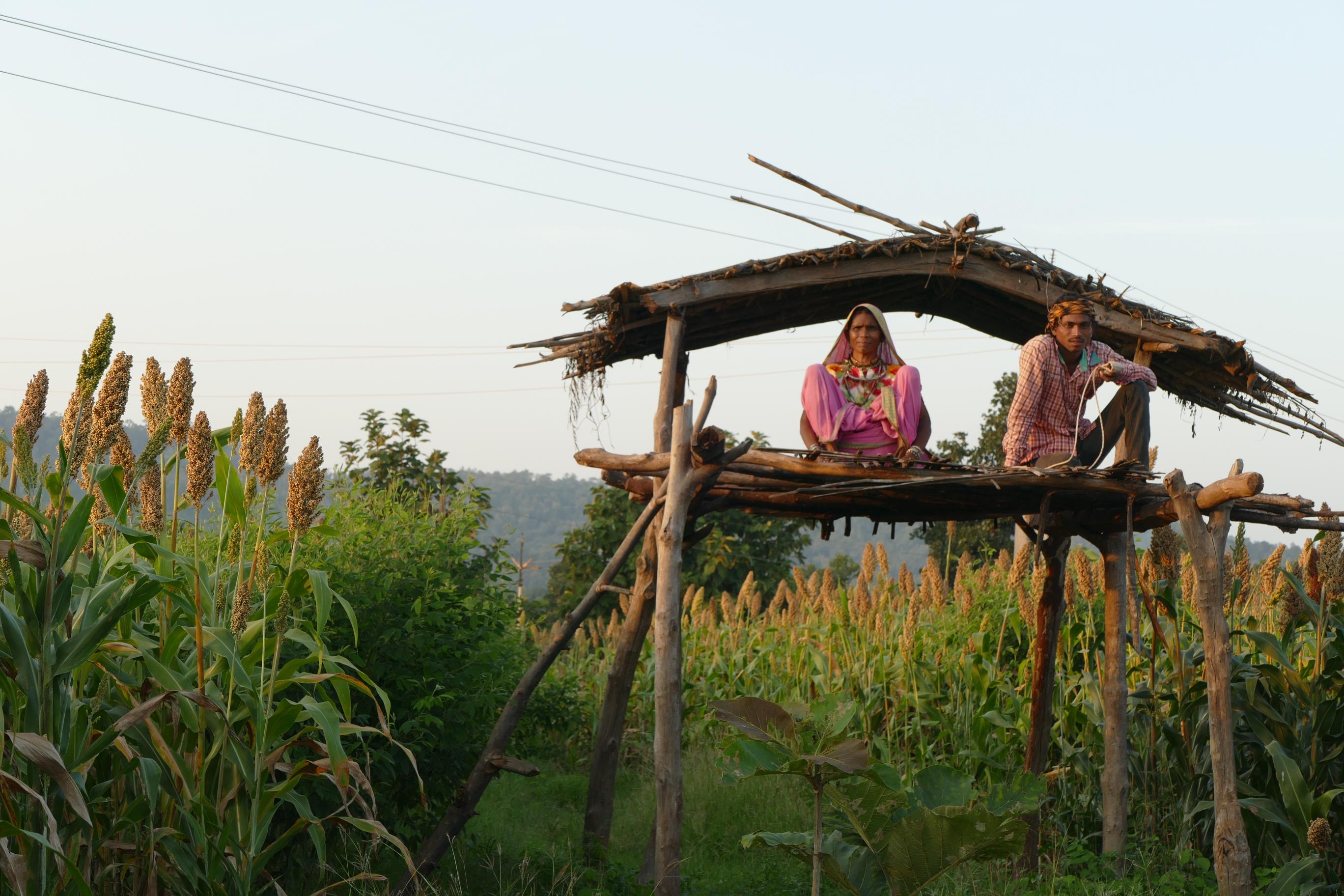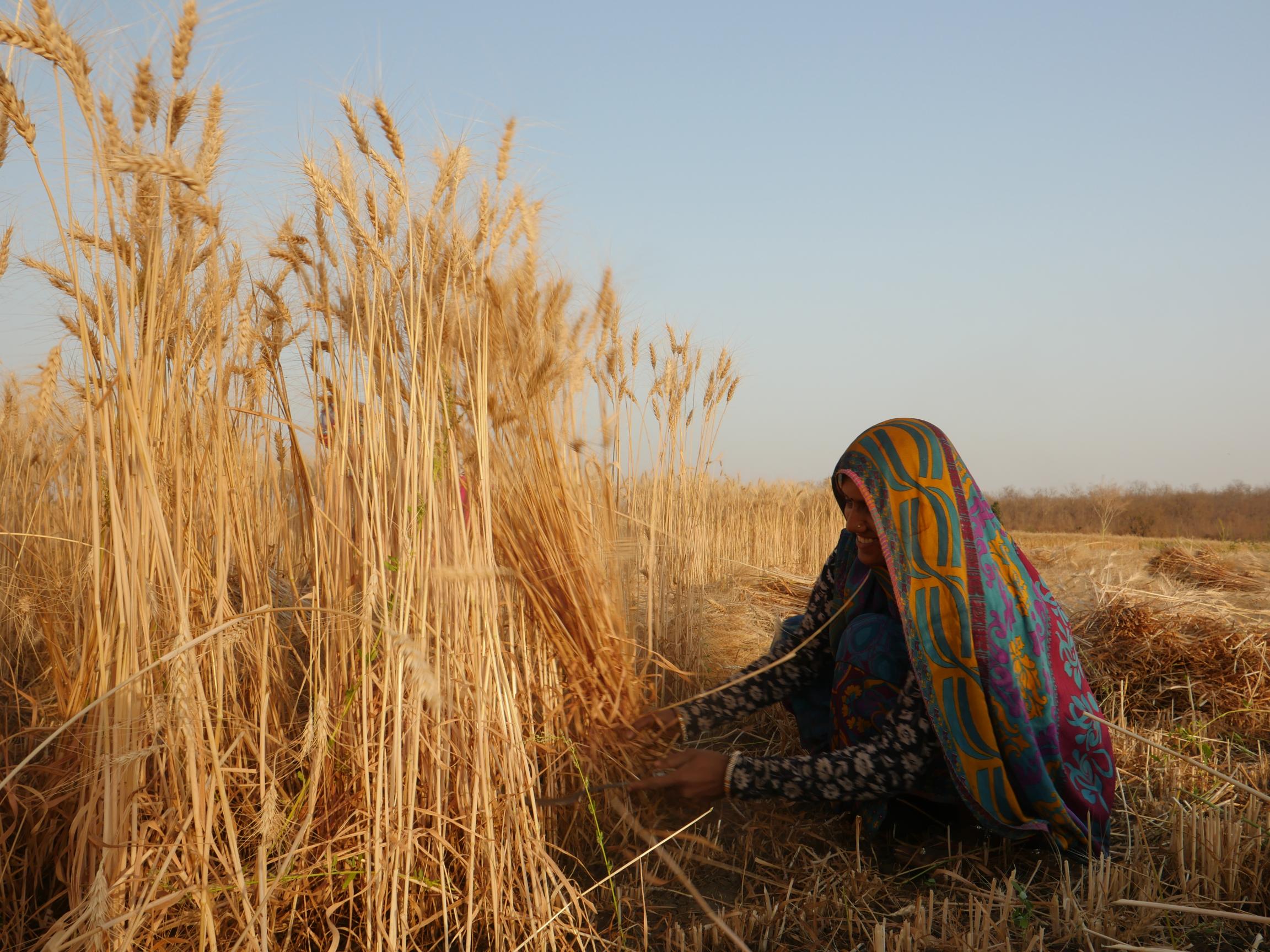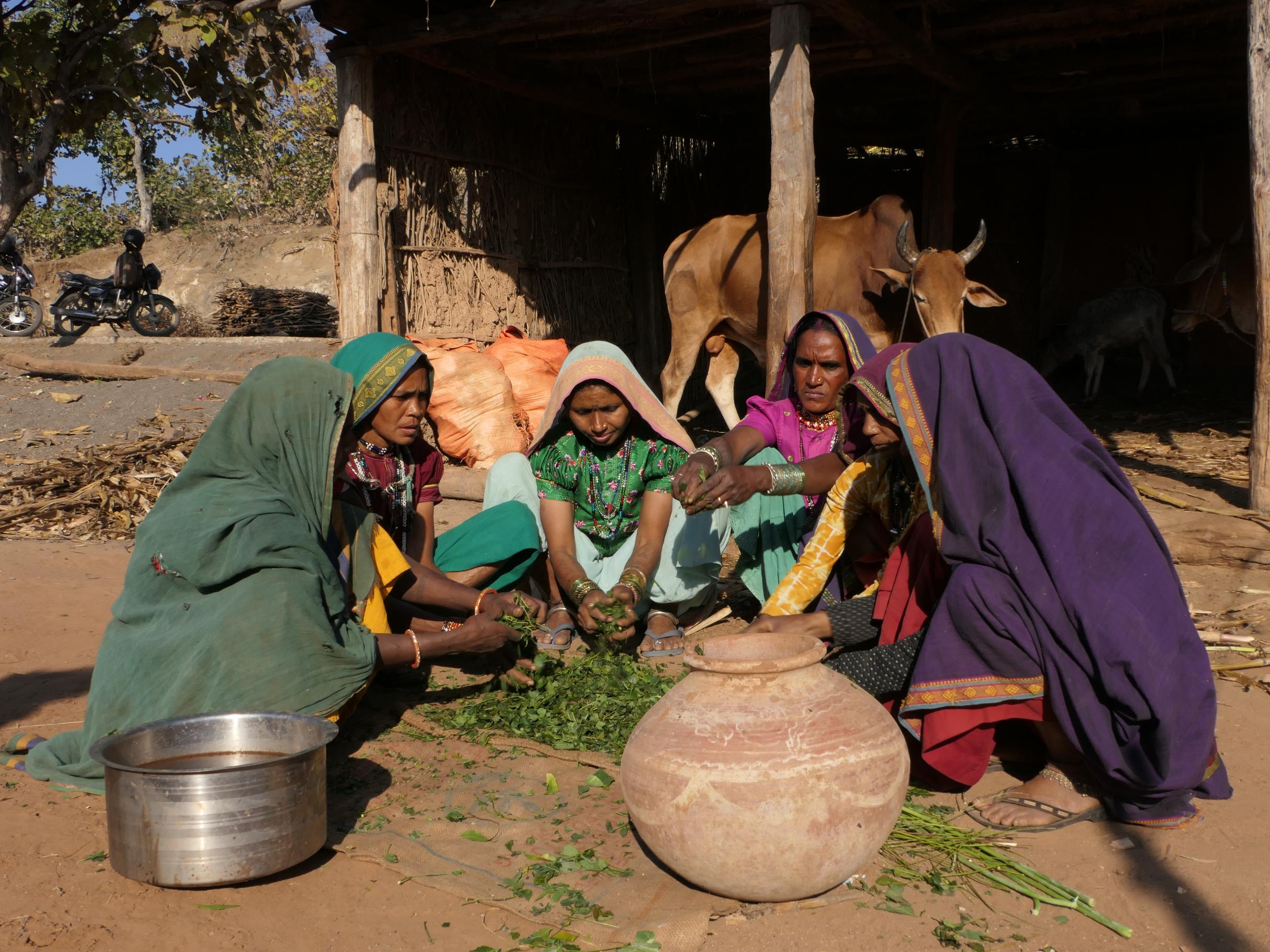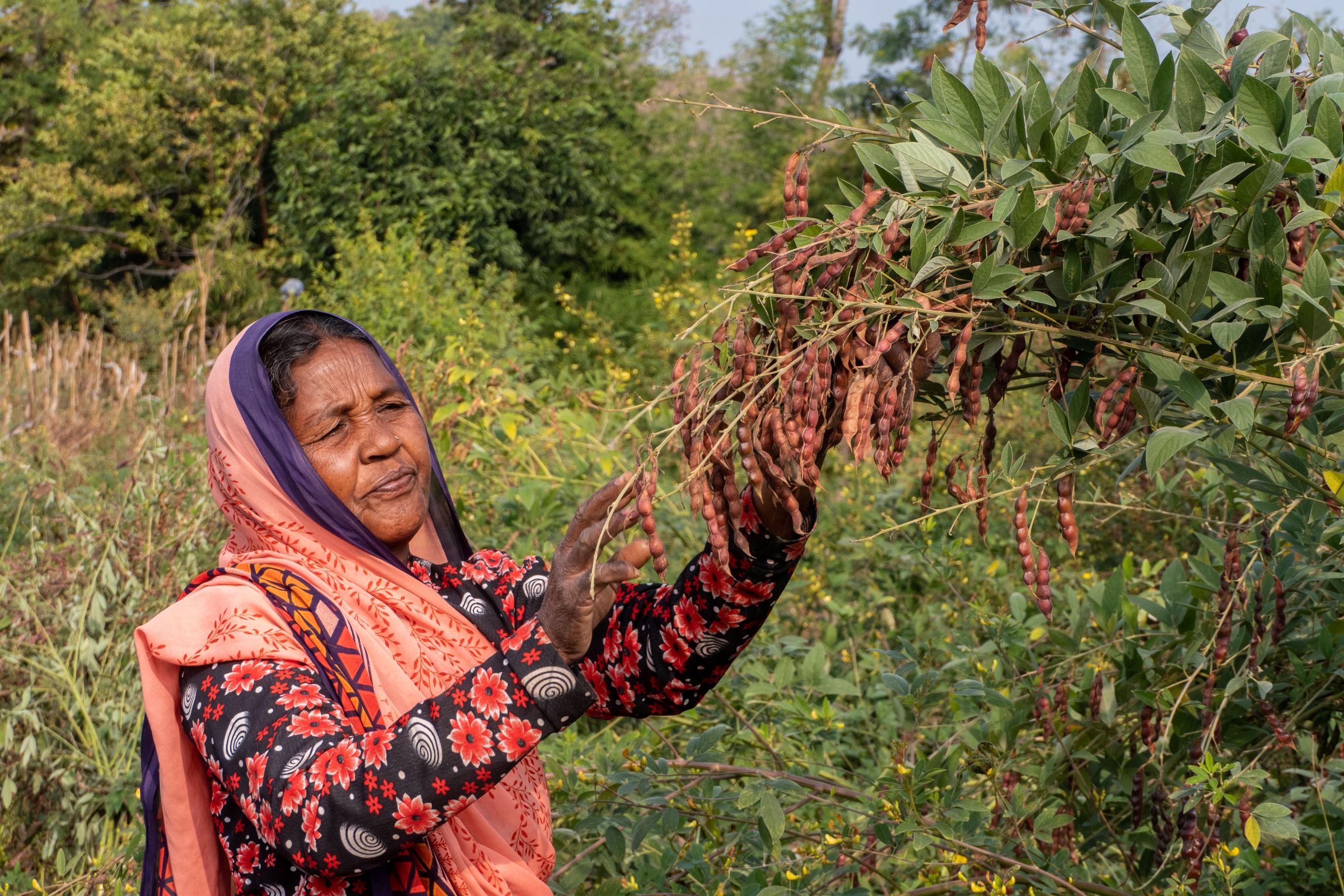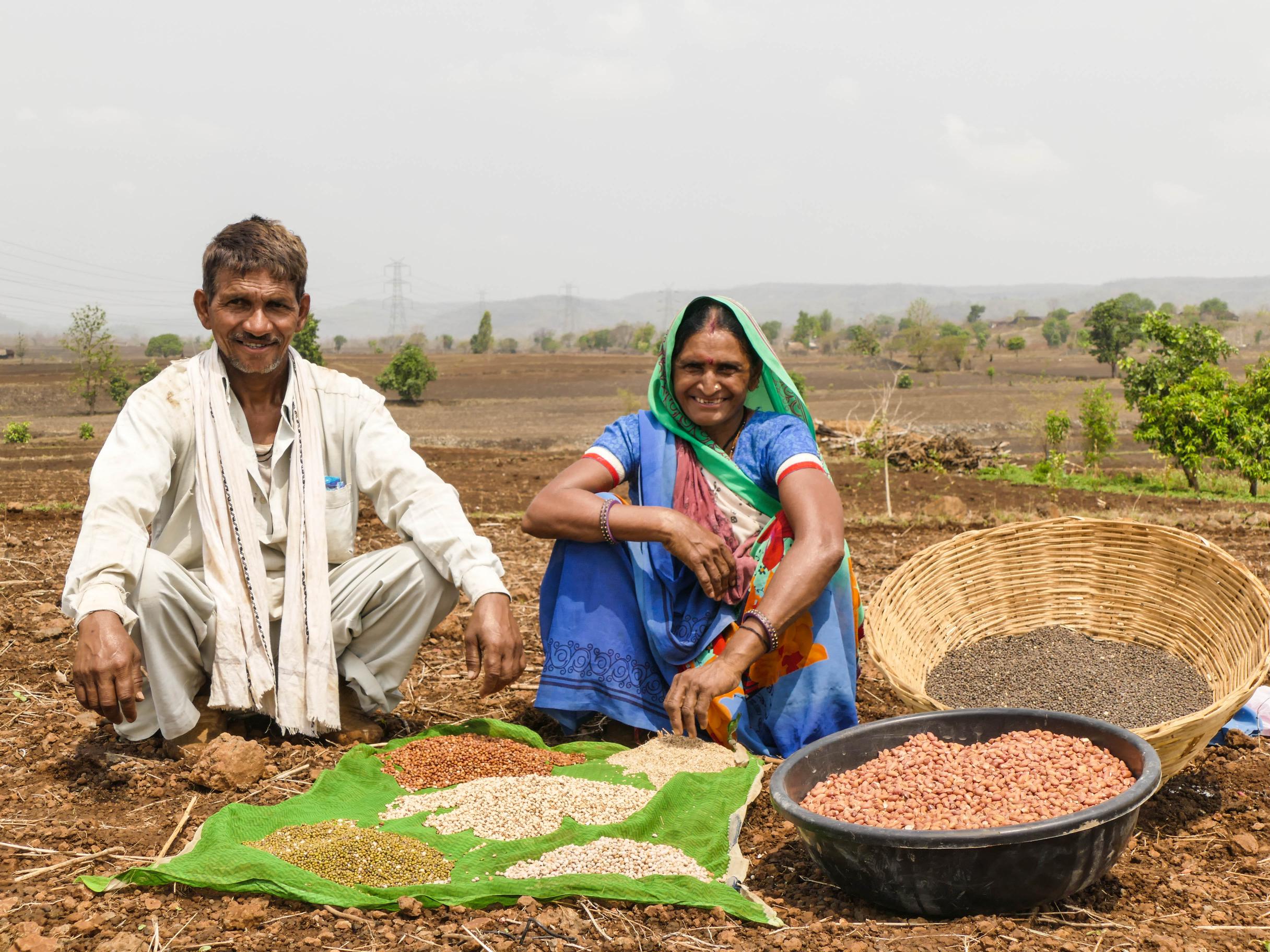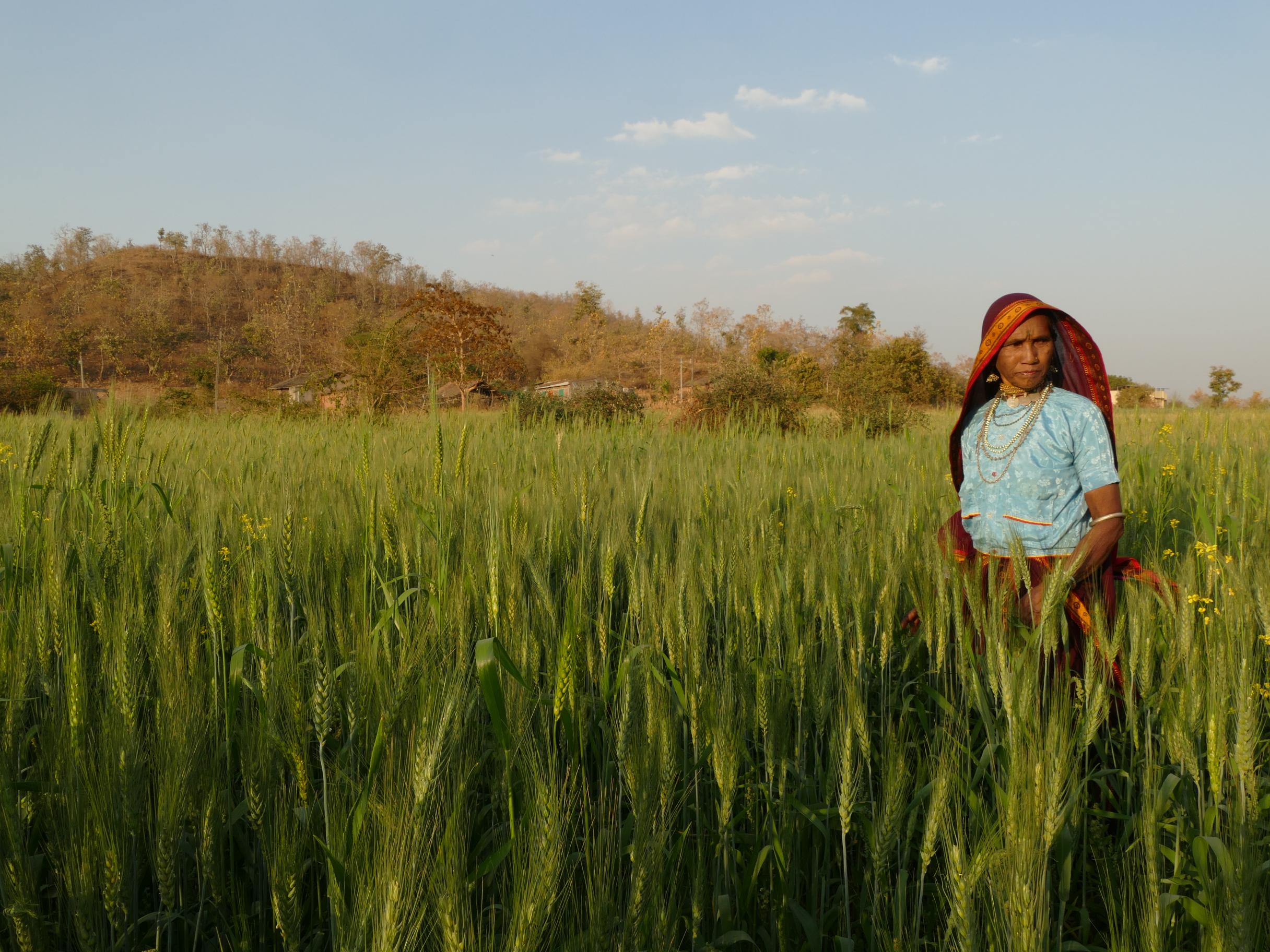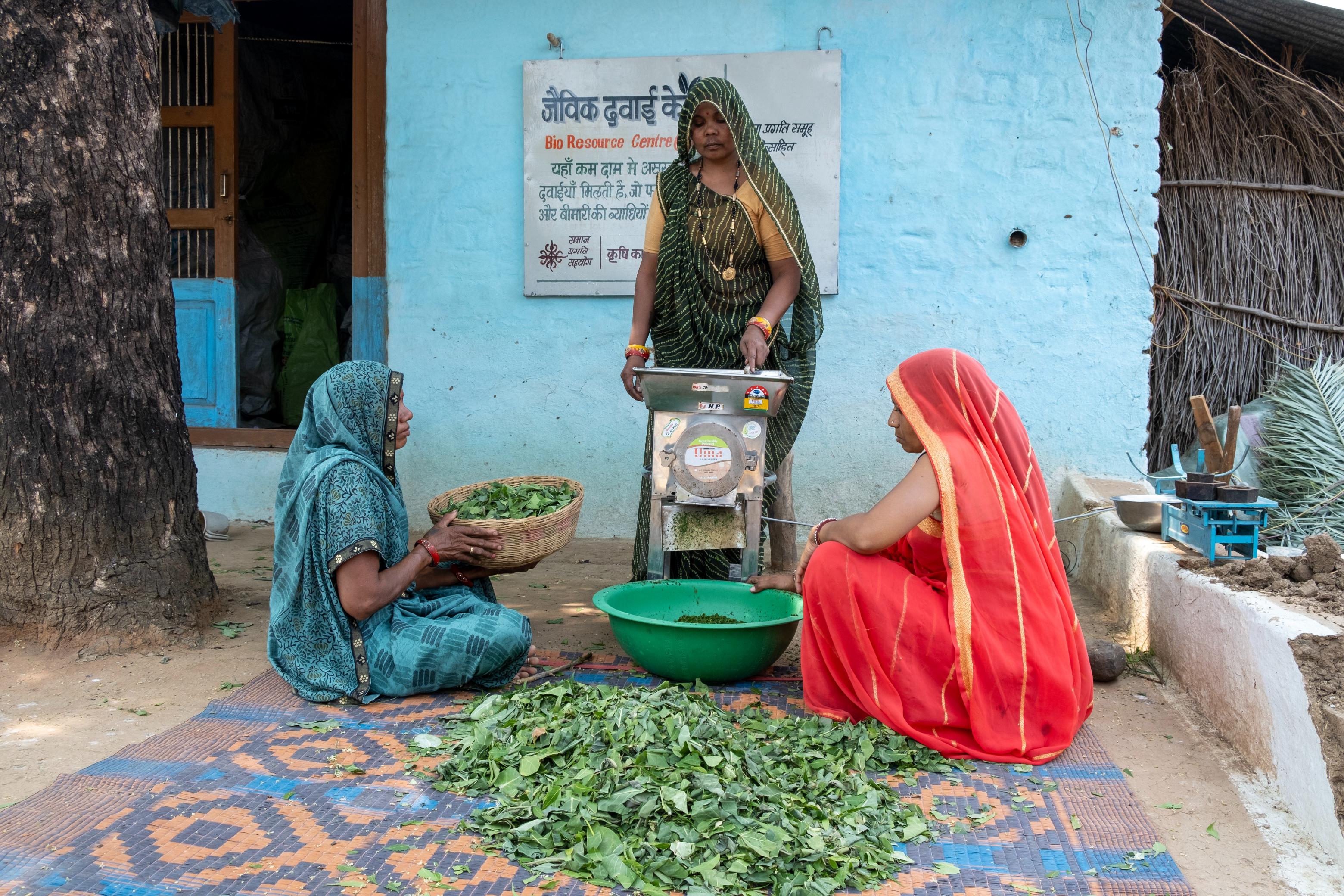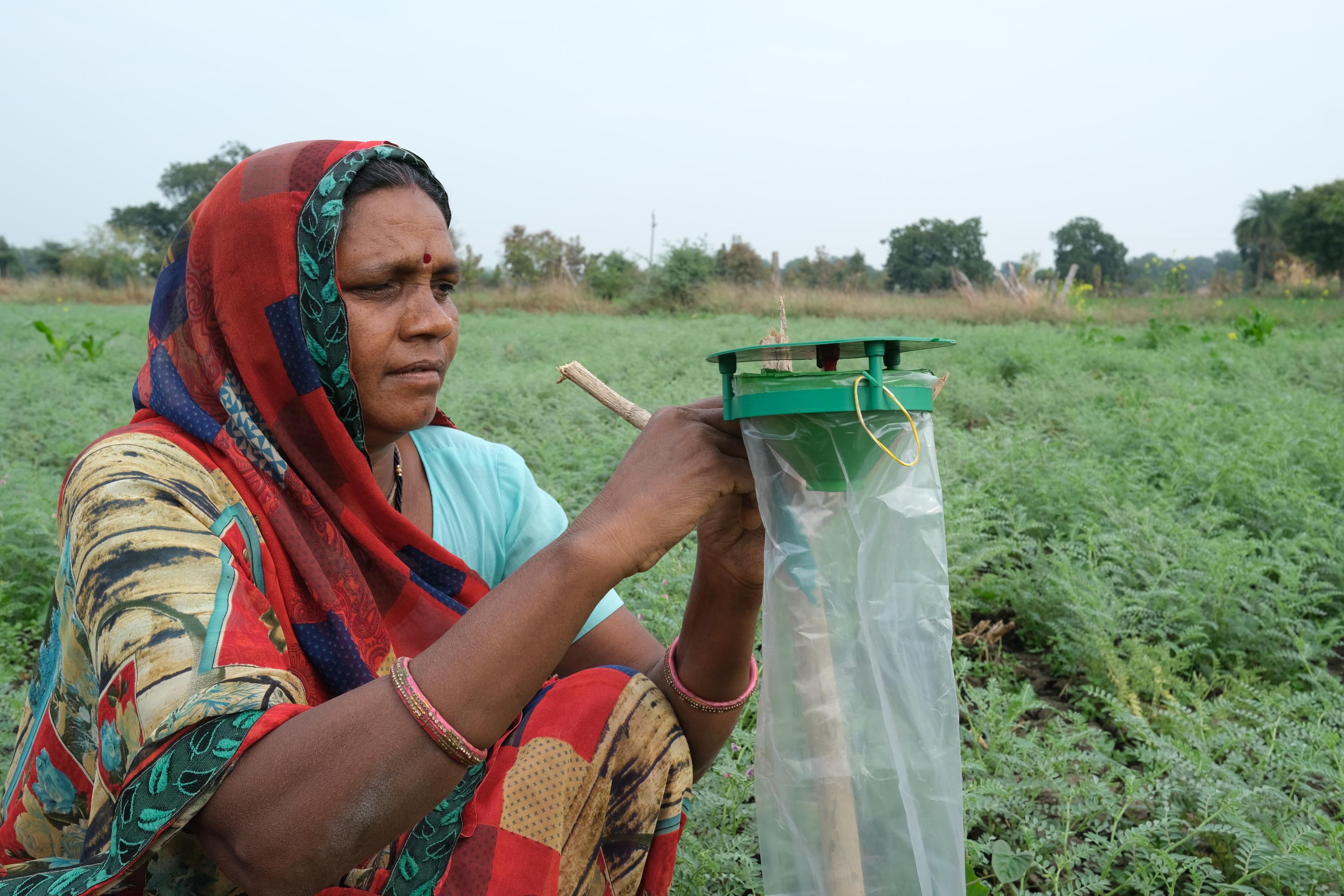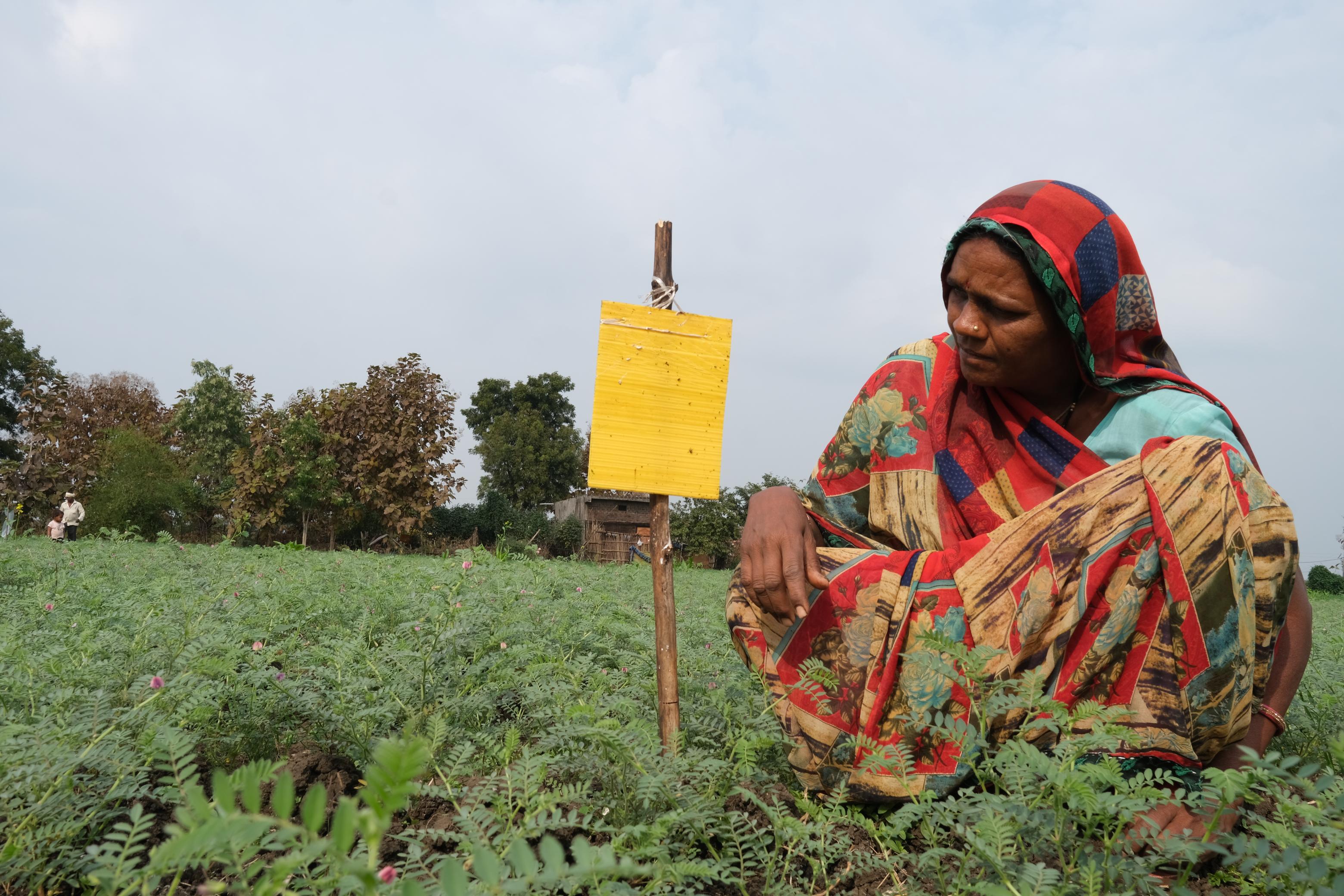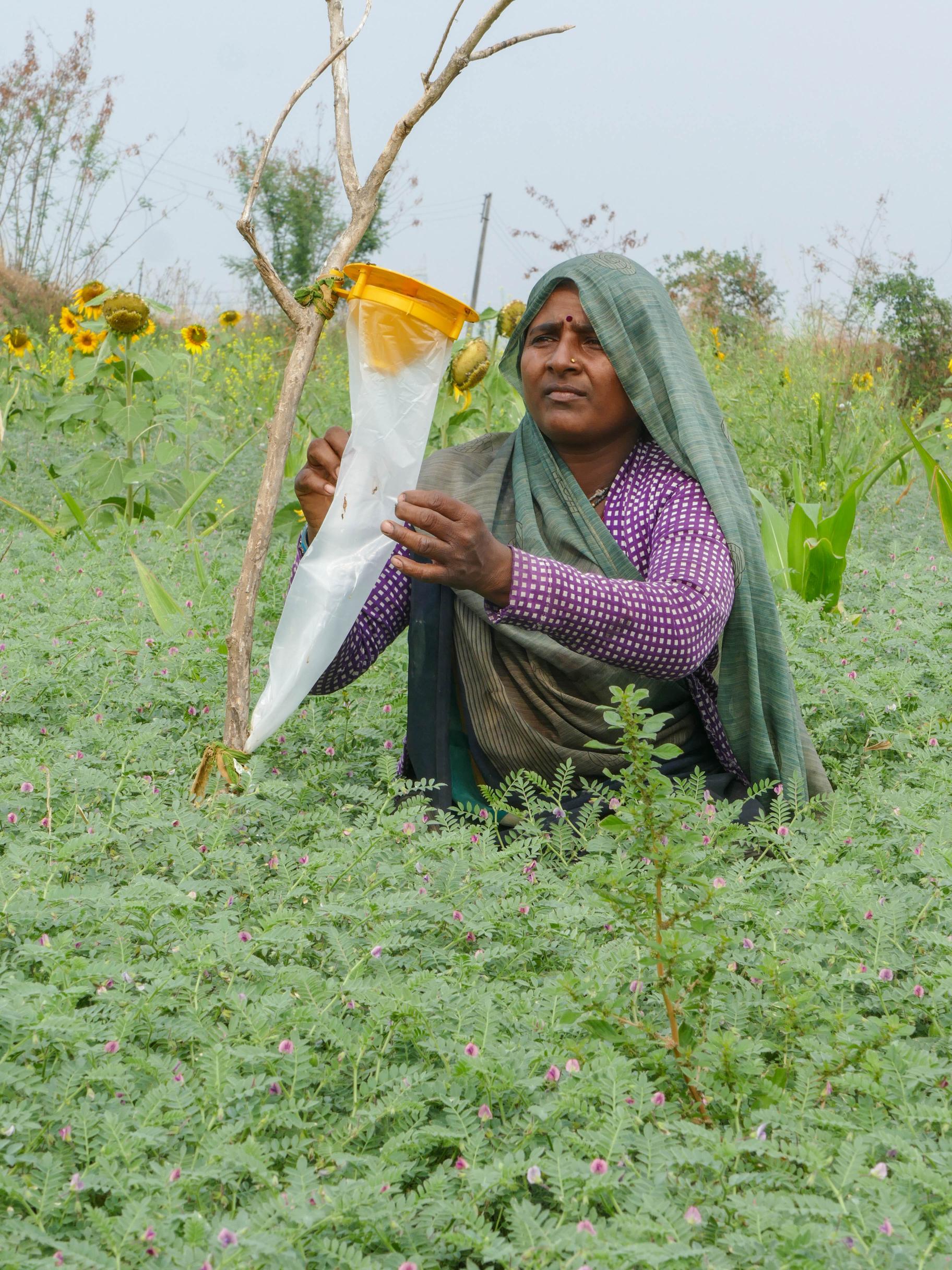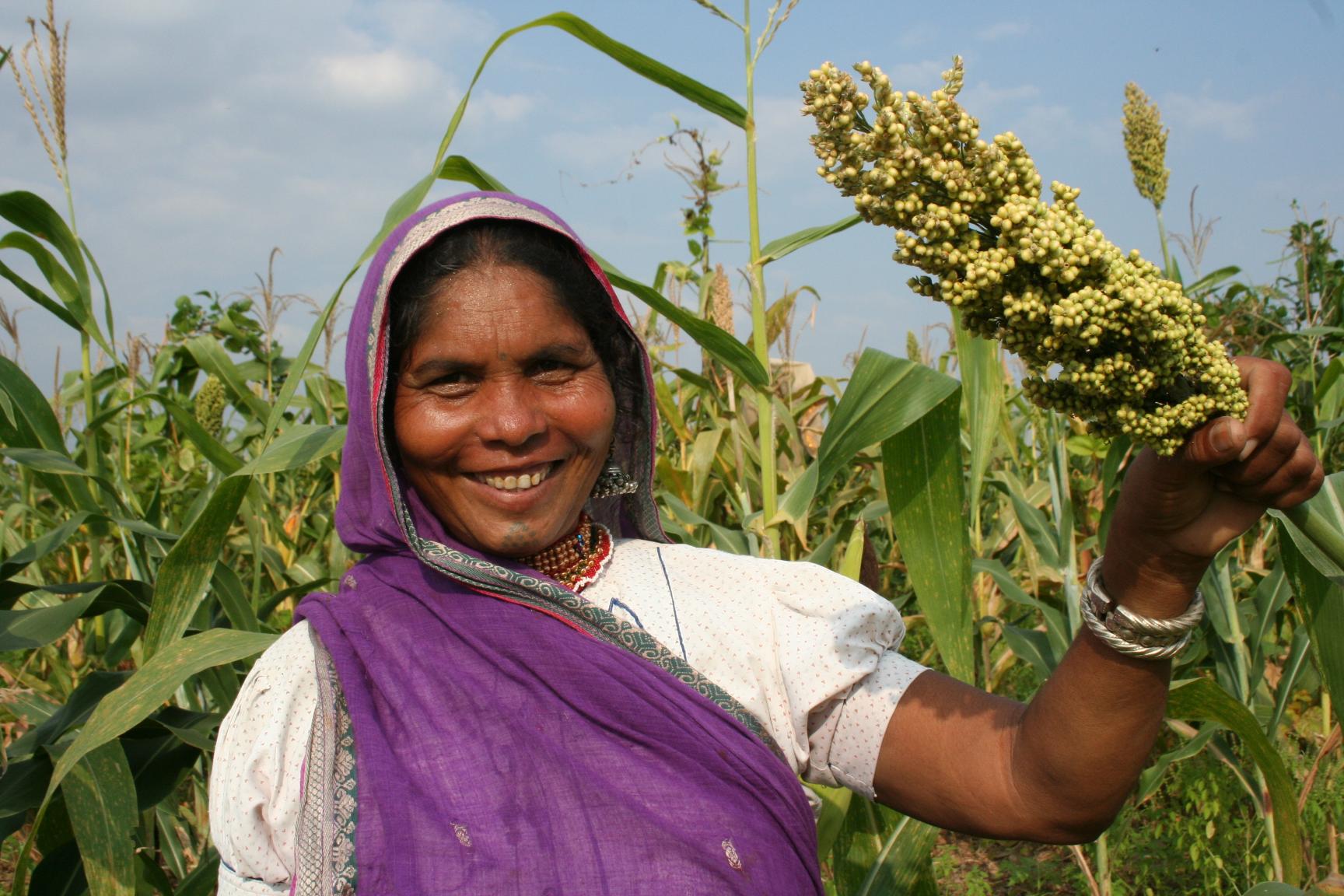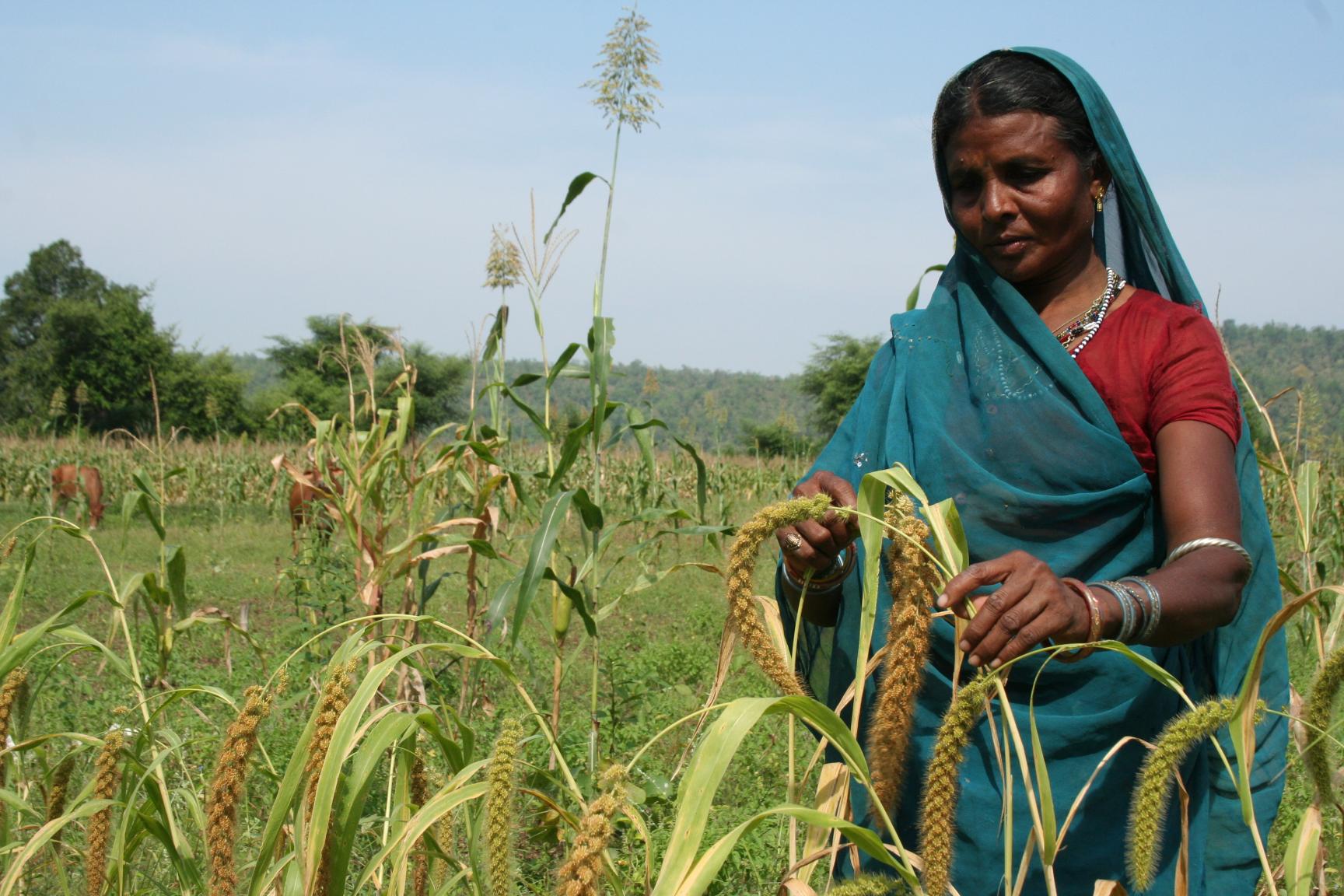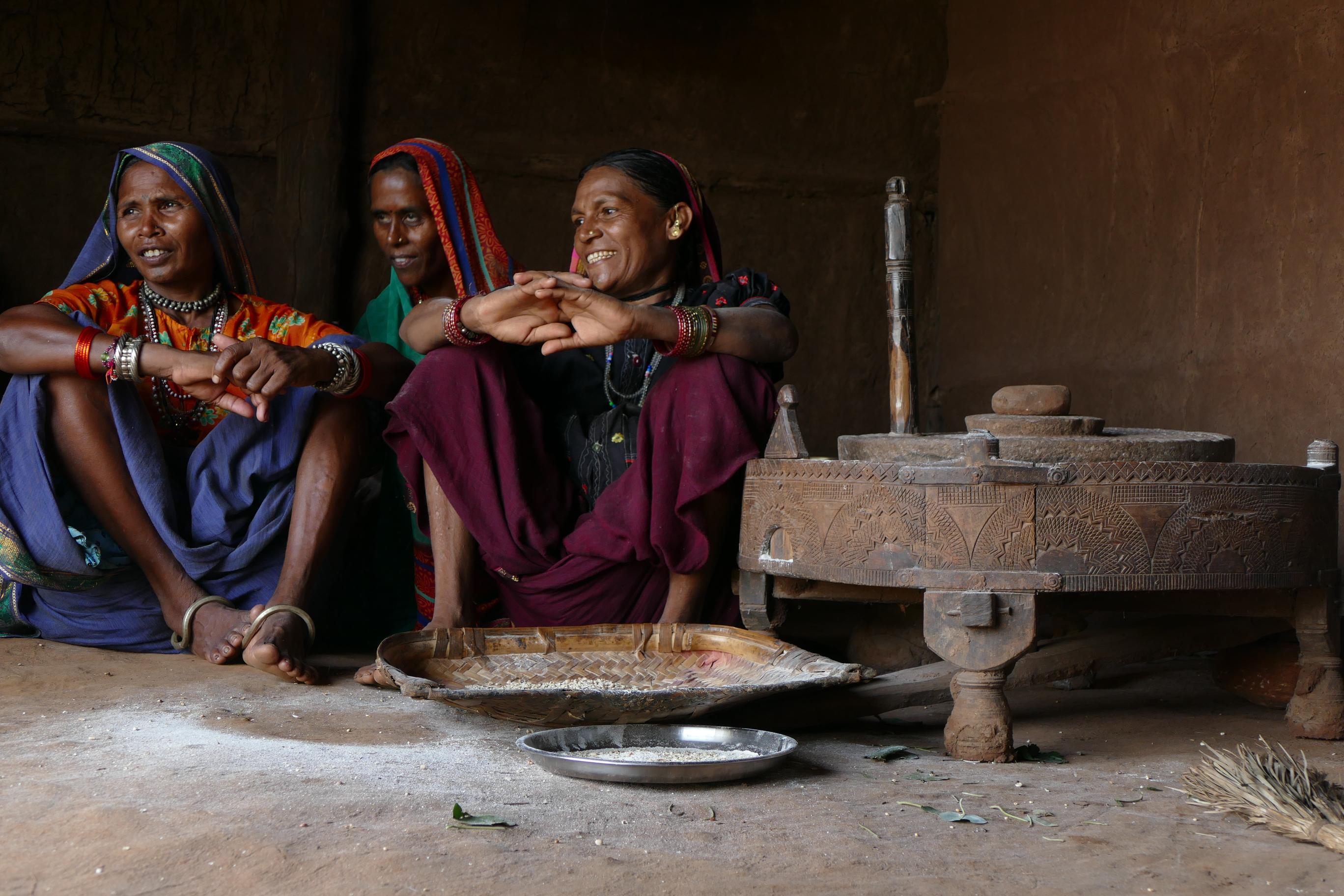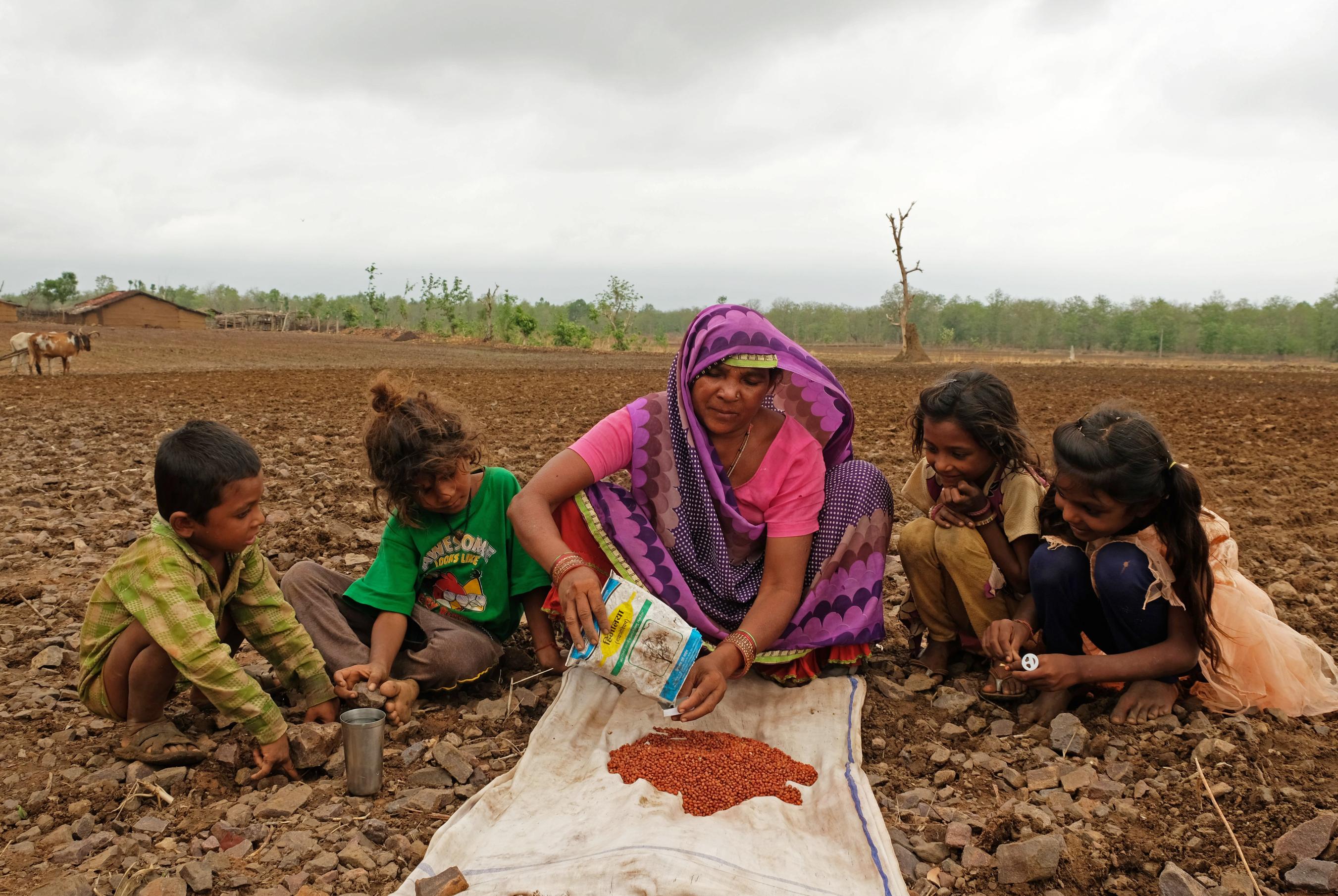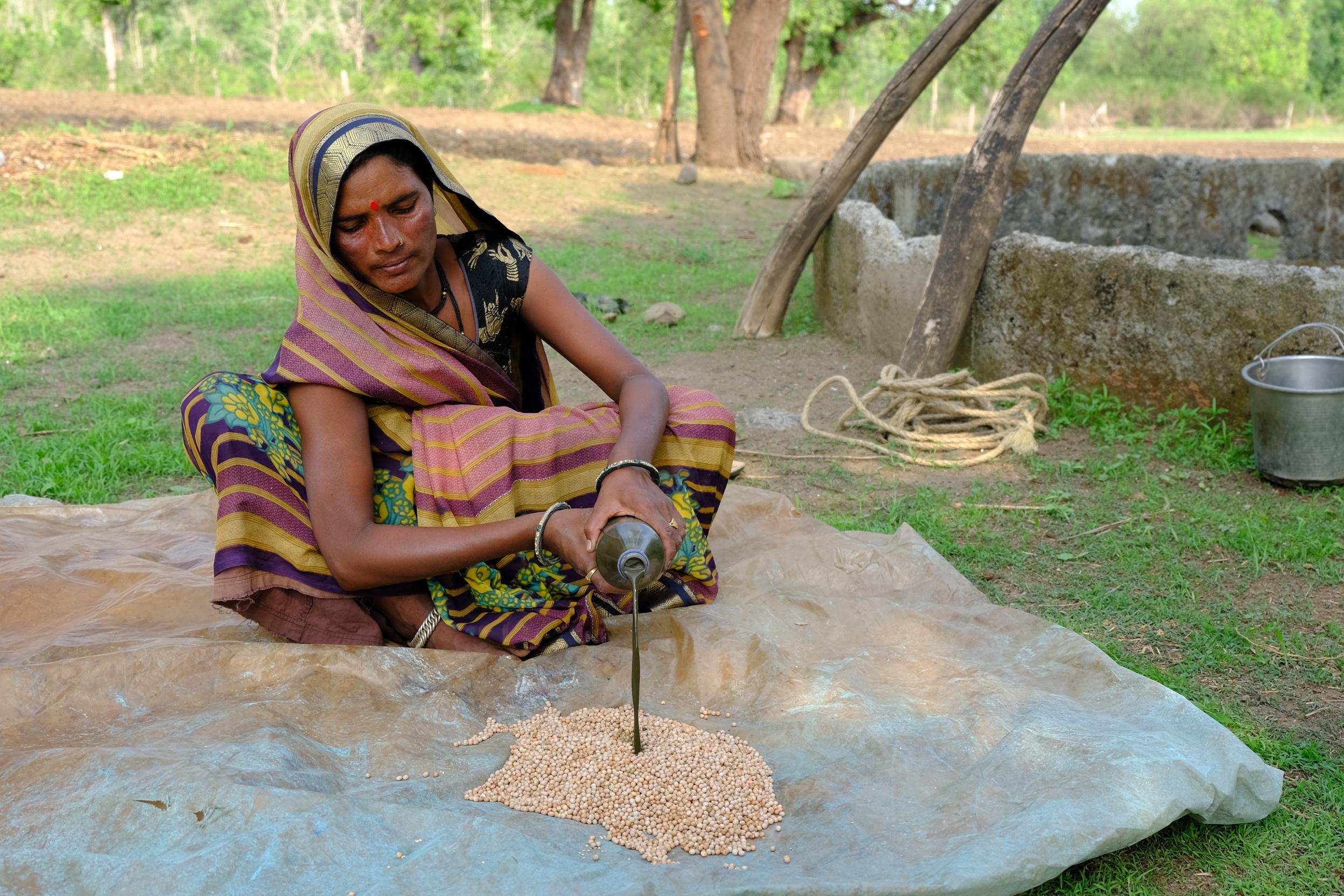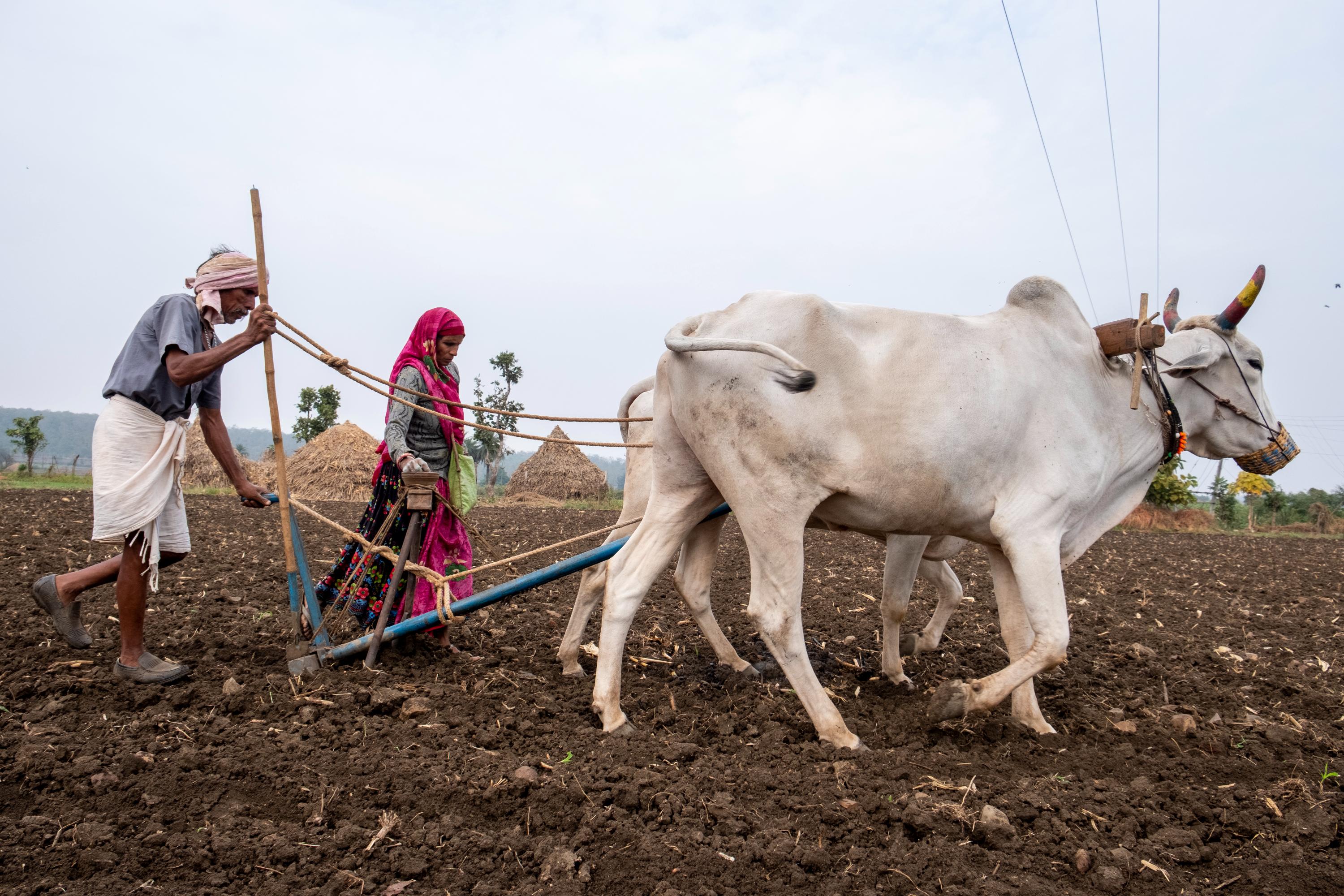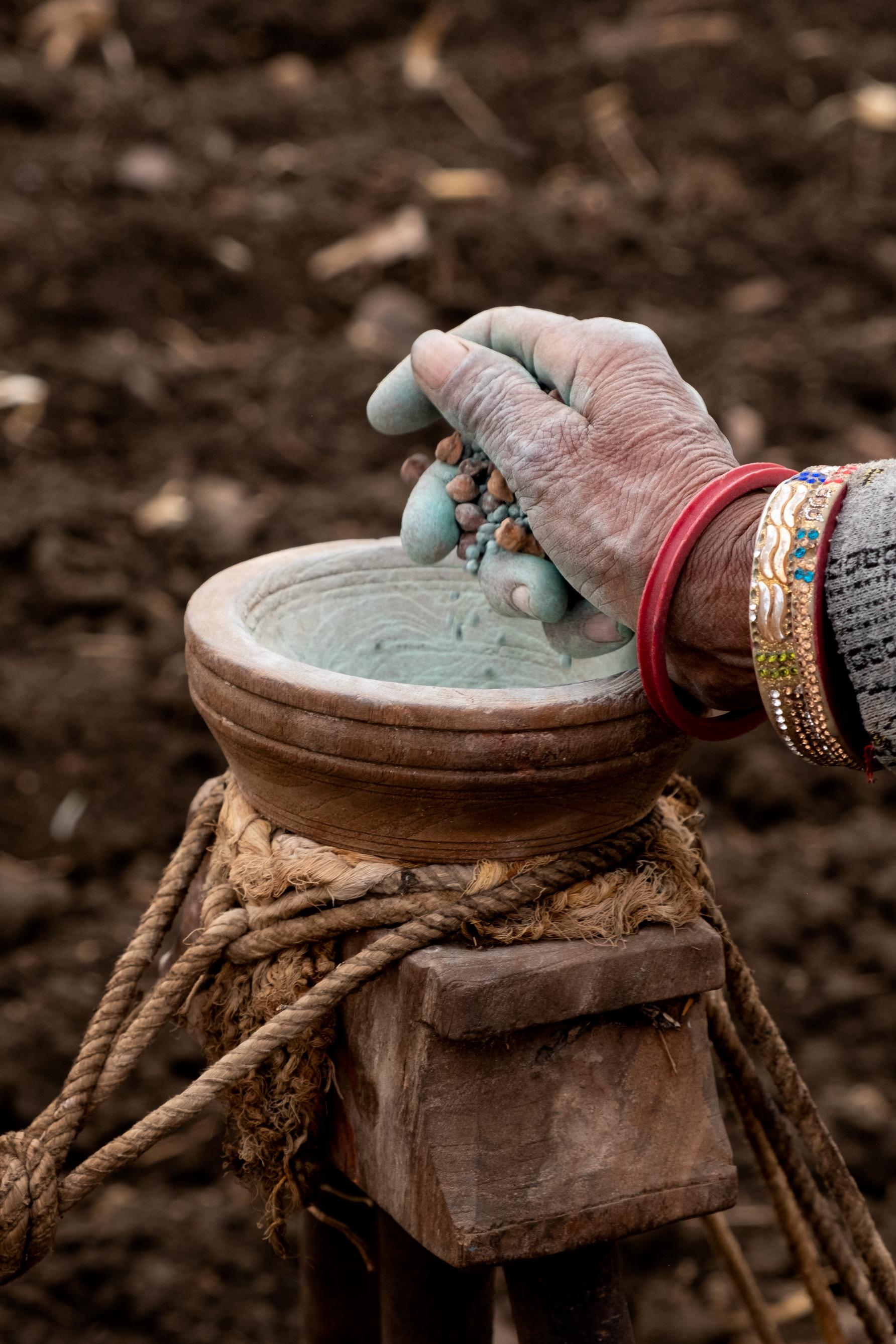
SPS is one of the pioneers in working with the idea of No-Pesticide Nature Positive Management (NPM) of Agriculture as a pathway to sustainable agriculture. The liberal and continual use of synthetic pesticides has disturbing consequences on human health and the farming system, in particular due to the development of pest resistance. The idea of the NPM movement is to encourage women farmers to grow crops without any chemical pesticides, create an identity for their produce and link these small producers to markets.
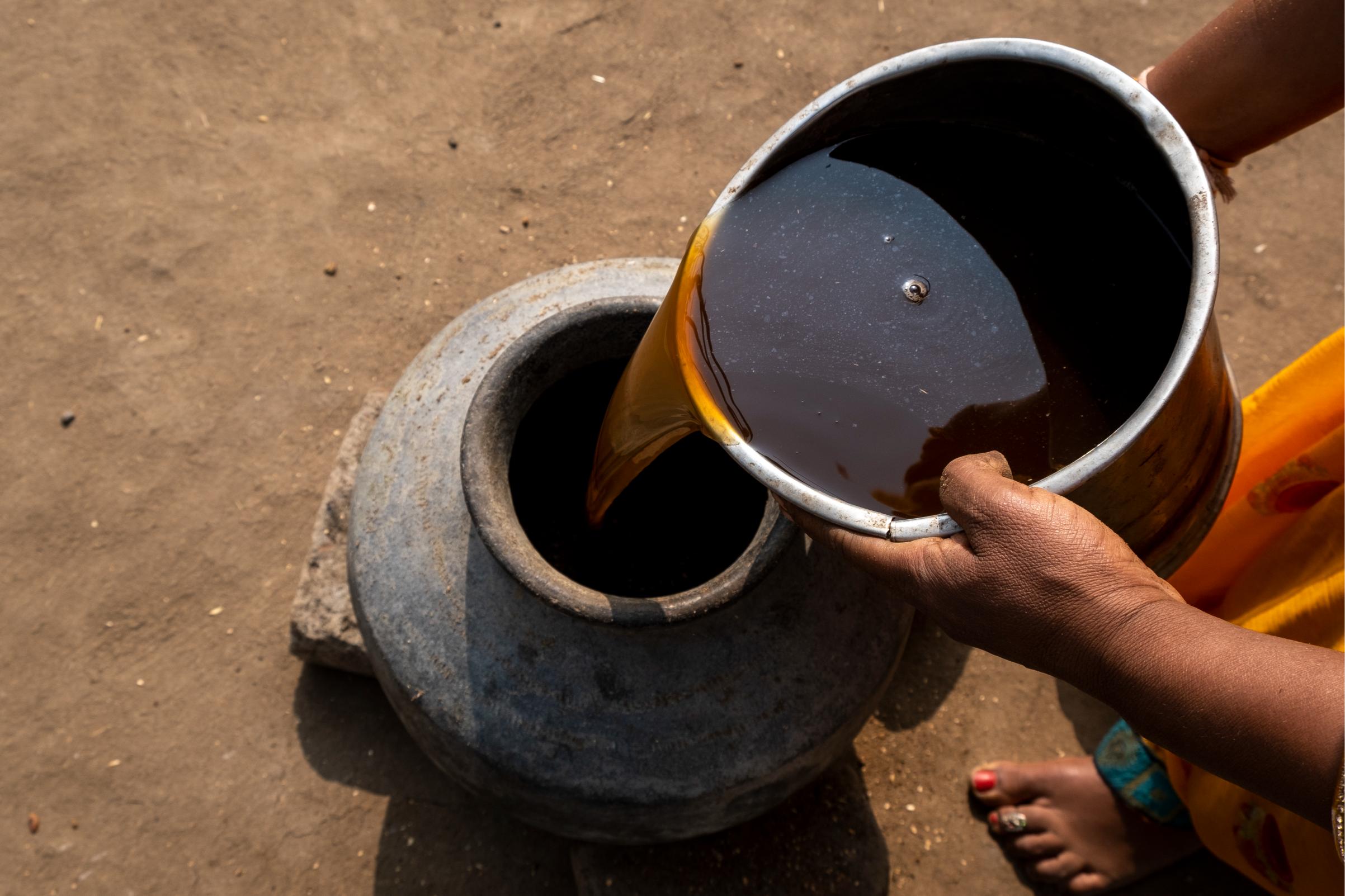
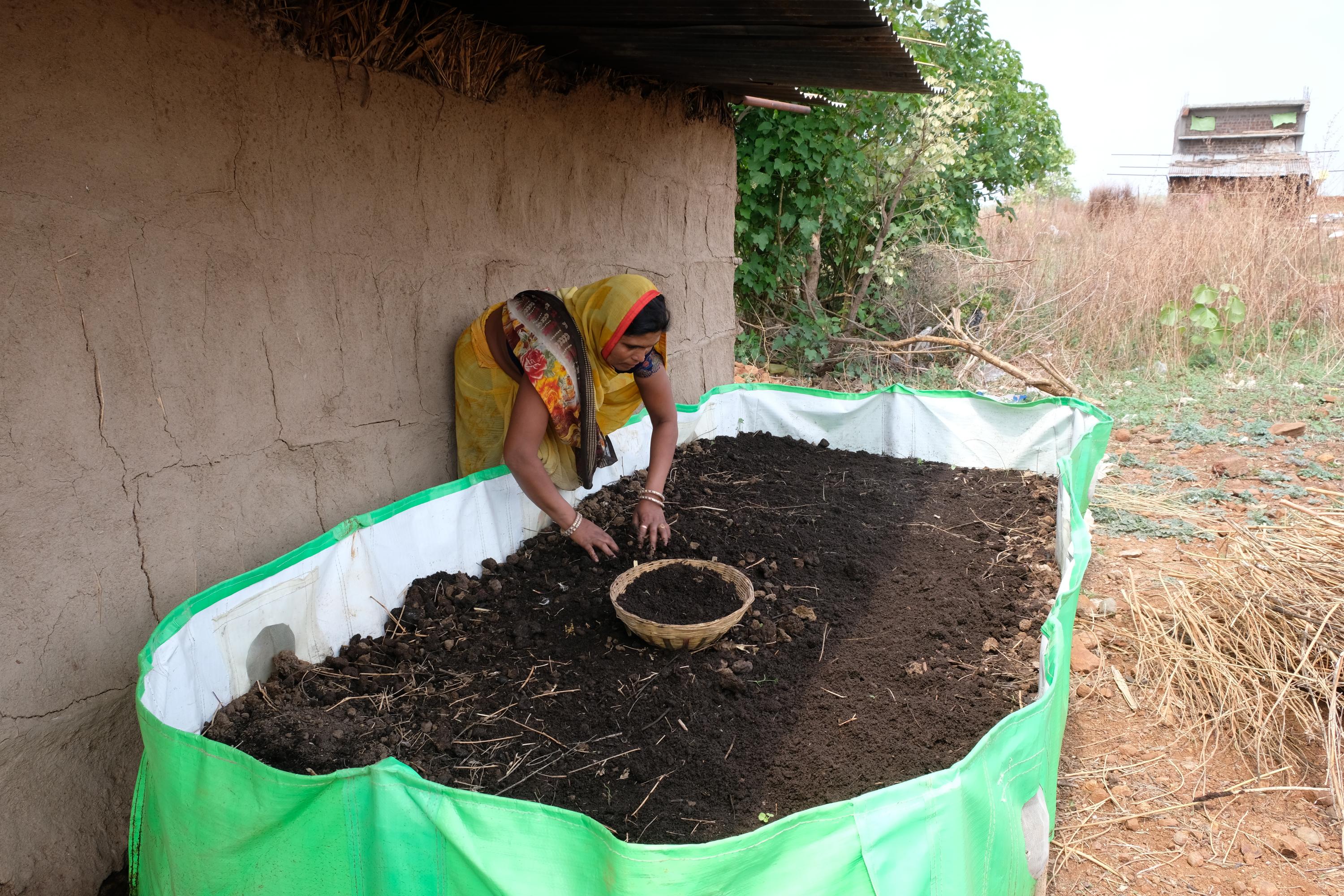
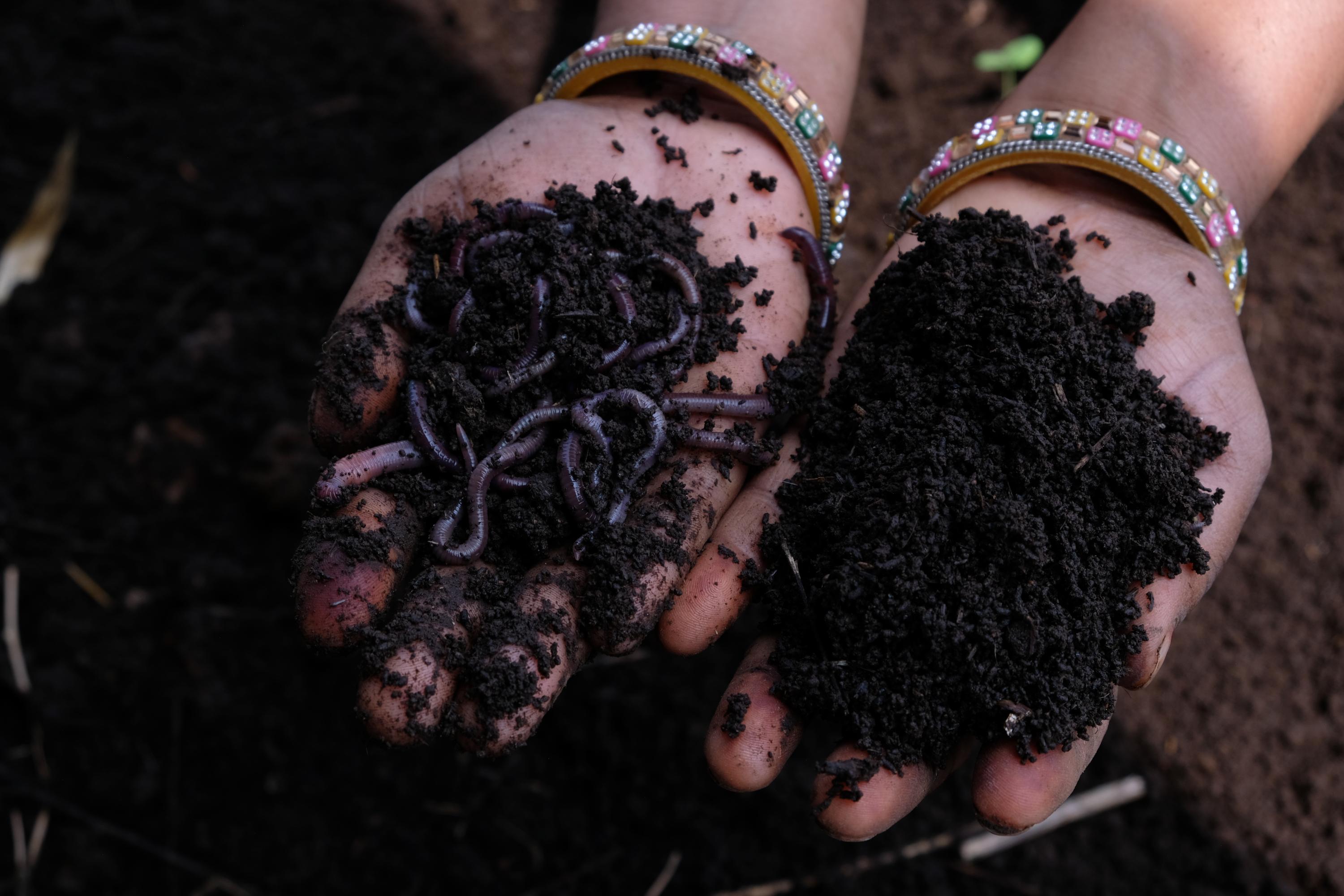
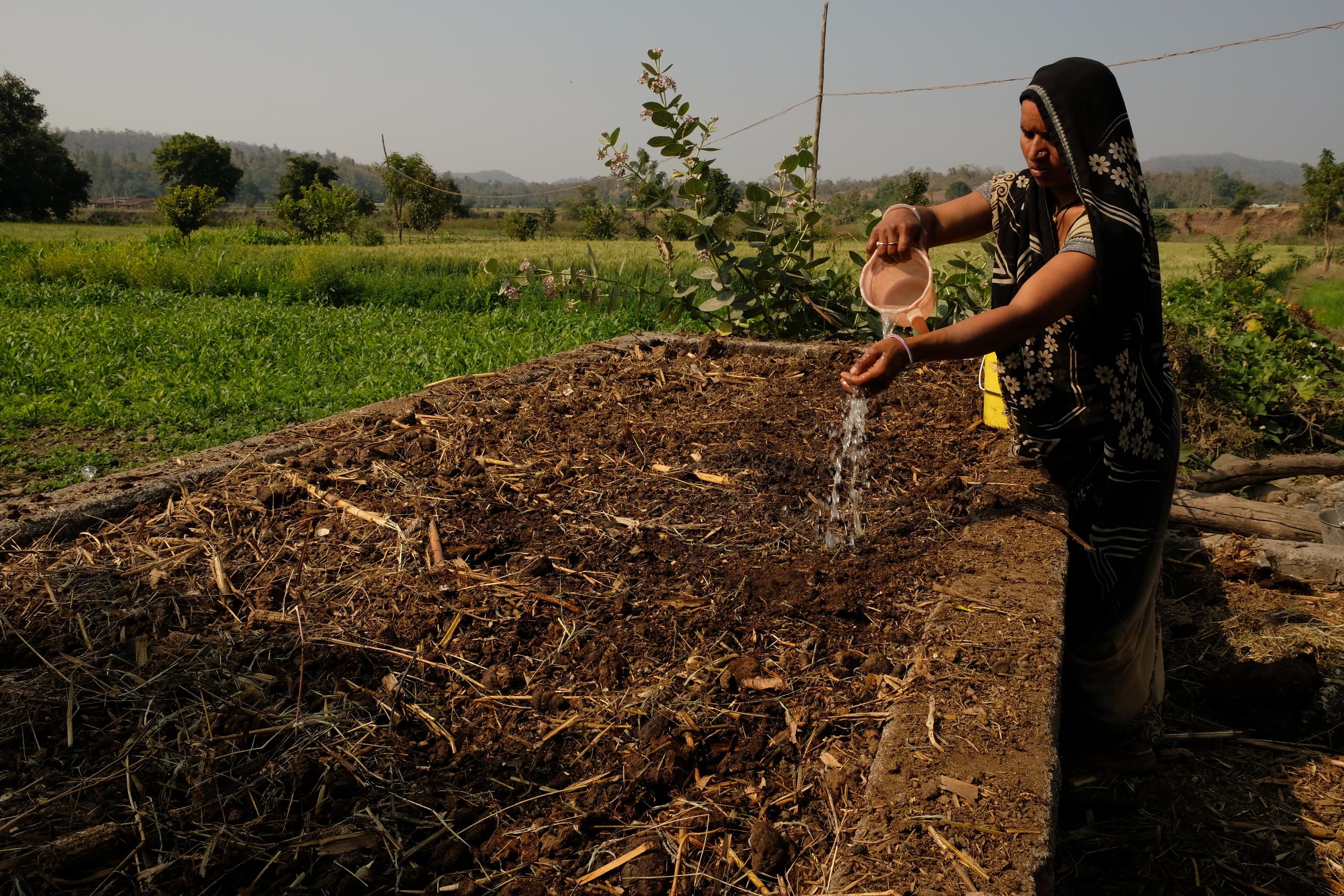
NPM agriculture emphasises building up soil fertility through appropriate management practices — such as composting and recycling of agricultural residues, use of farm yard manure, cattle urine, green manure crops like gliricidia, and application of tank silt — with a gradual phasing out of chemical fertilisers.
Currently, 22,002 women farmers from 279 villages are associated with SPS's NPM Agriculture programme. Out of the total agriculture land spread across seven locations (Bagli, Barwaha, Bhikangaon, Bhagwanpura, Kantaphod, Melghat, Punjapura and Udainagar), total 15,037 ha are under cultivation. SPS has implemented a protocol of minimum 56% saturation — meaning that in all villages where NPM Agriculture is operational, it is mandatory to have at least 40% of farmers practising NPM agriculture. This maintains the NPM protocol and avoids contamination with chemicals.
Crop Varieties & Field Trials
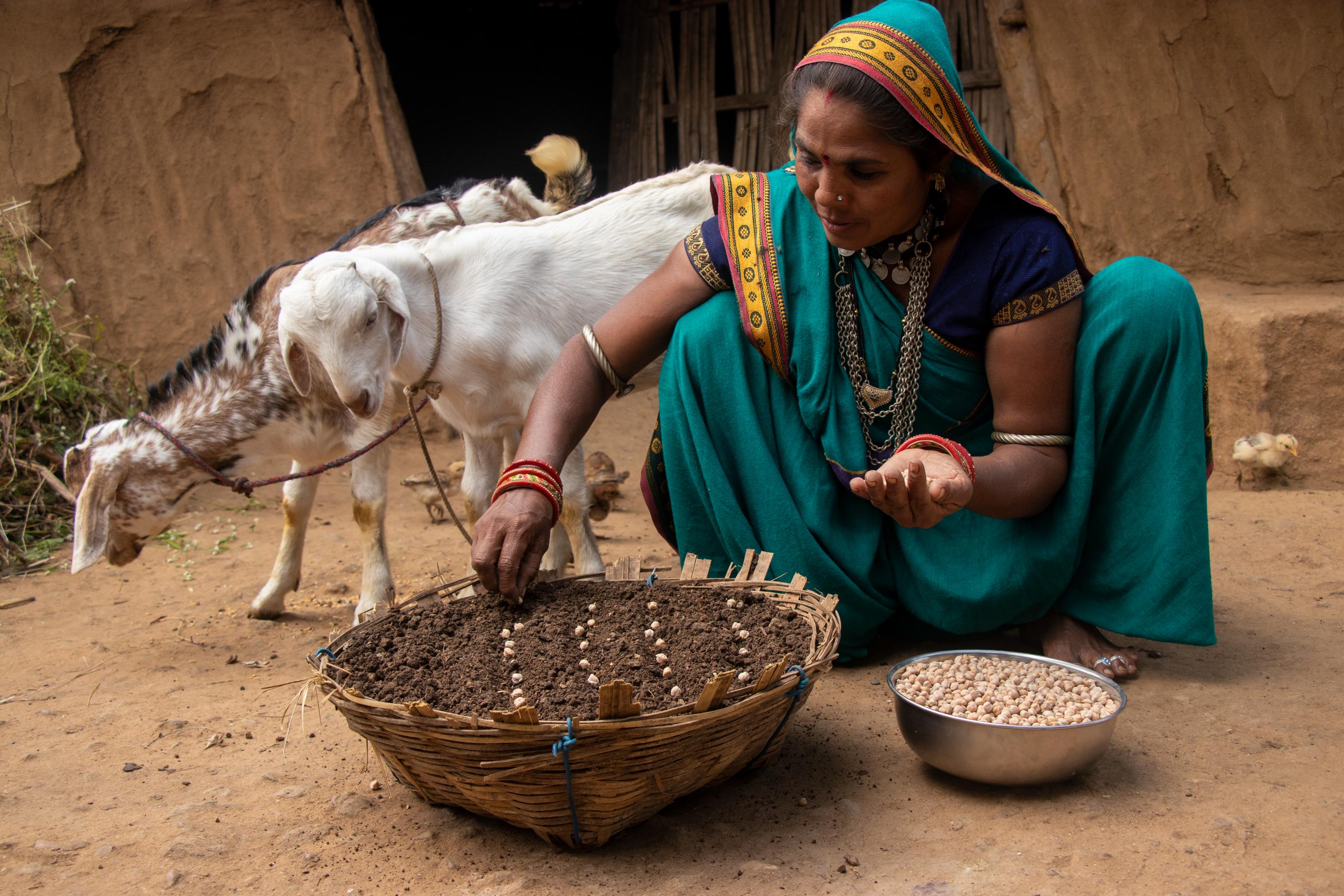
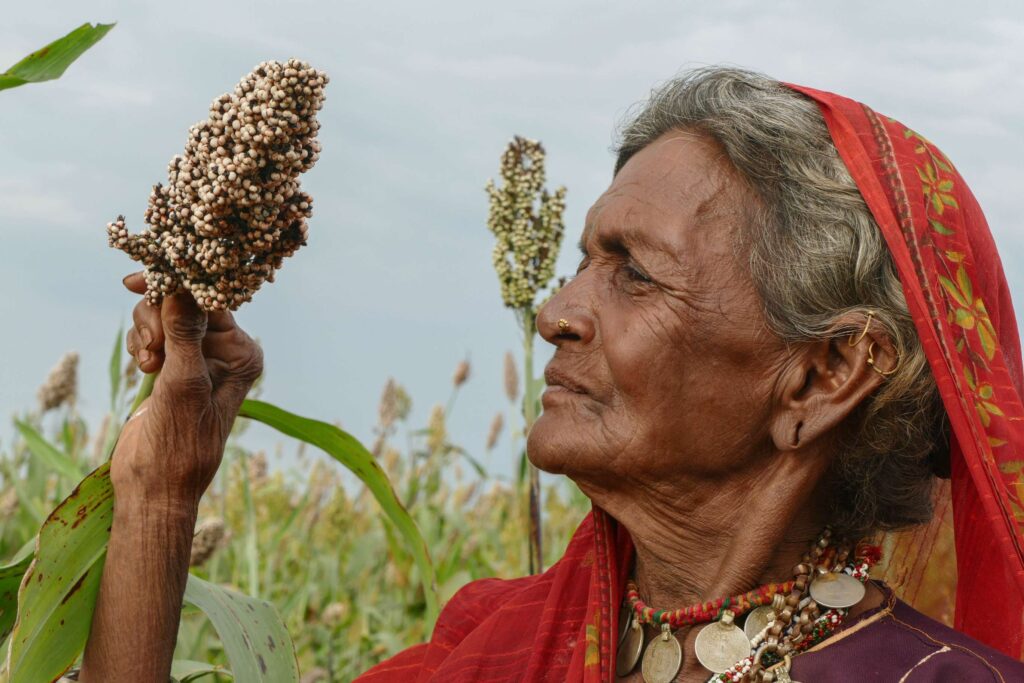
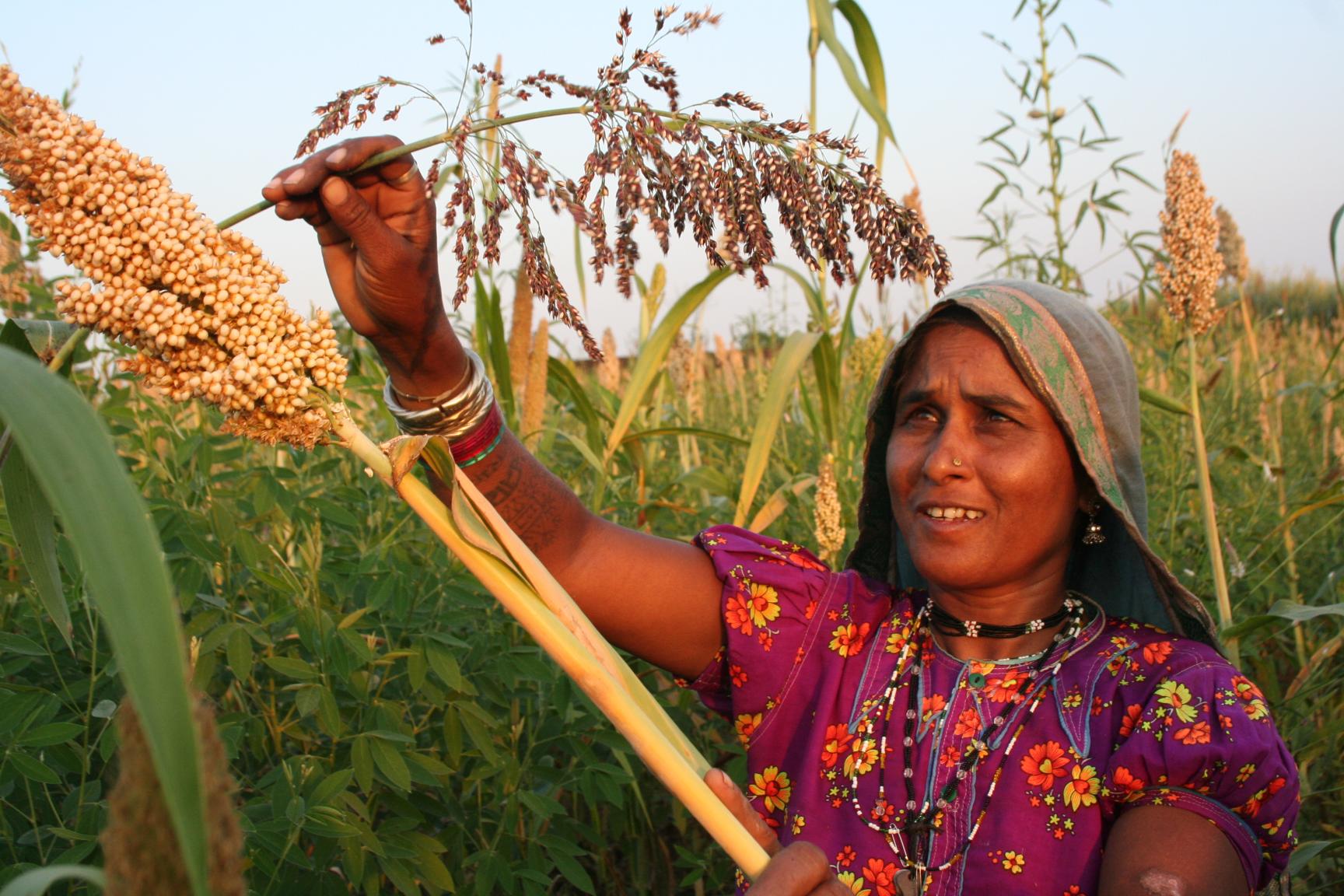
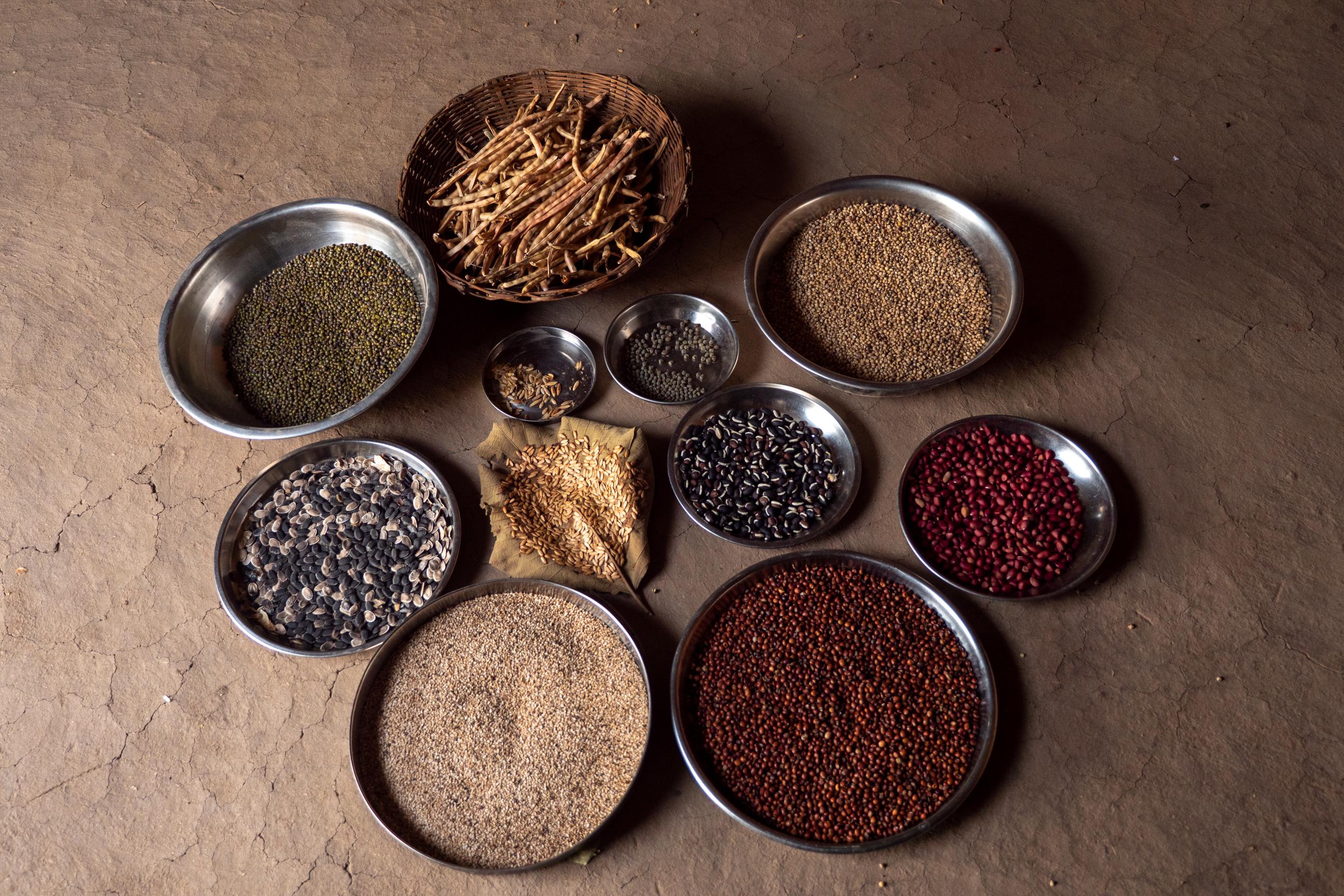
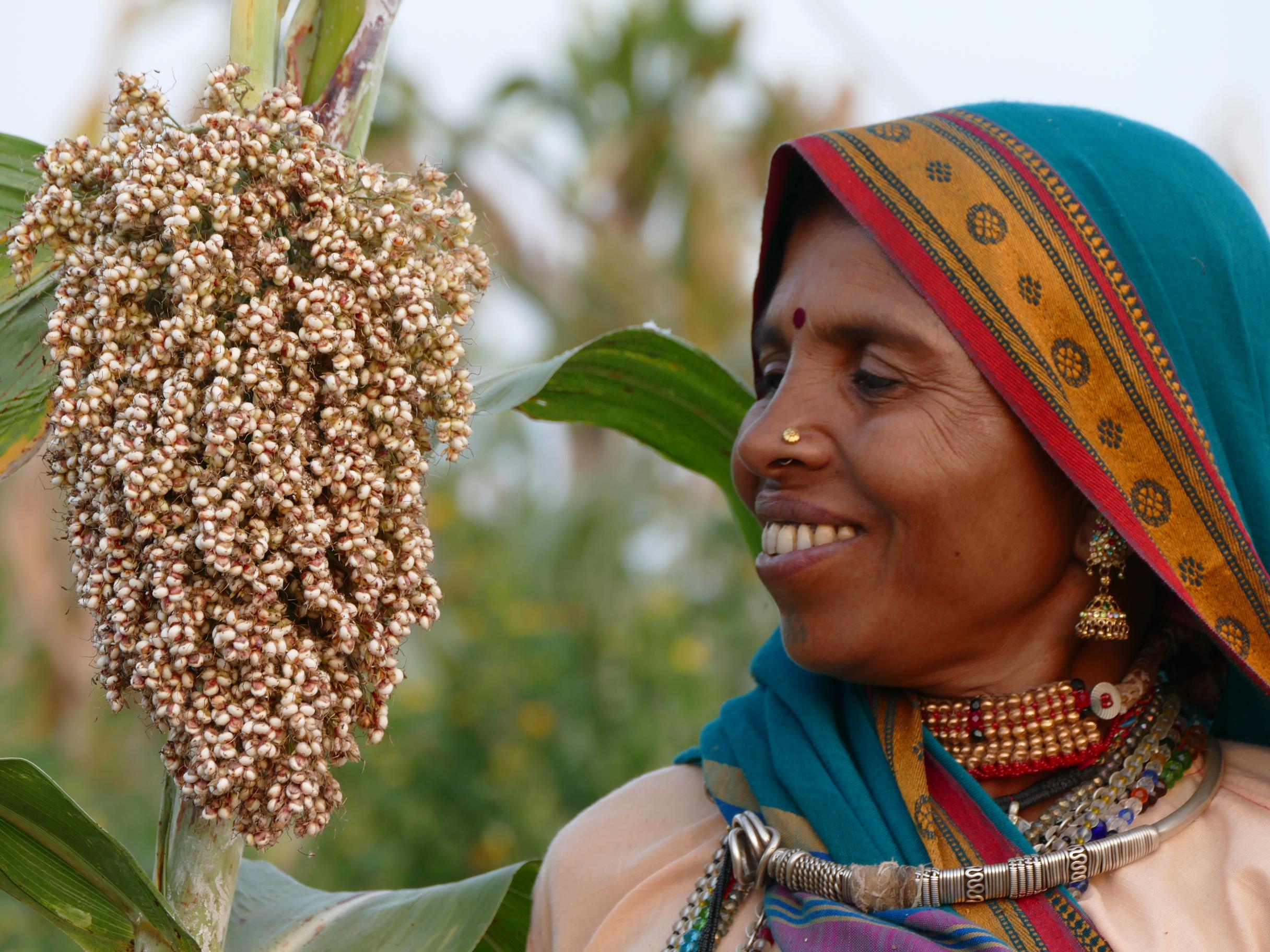
Till now, SPS has conducted field trials with 120 improved varieties of 15 major crops — sorghum, maize, pigeon pea, soybean, cotton, groundnut, black gram, green gram, chick pea, pearl millet, sesame, foxtail millet and wheat — which give good yields even with low external inputs. Of these, 60 varieties have been shortlisted as suited to the farming conditions of the local area. These varieties have been developed from local germplasm by scientists working on-location across India's drylands and are therefore well adapted to this challenging environment.
Technology & MIS
Many of the NPM protocols are process-driven and therefore require constant monitoring and documentation. The programme has developed a new MIS software to capture data, document processes, and monitor, analyse and assess impact of the programme. This will enable the Khet-Mitaans (field CRPs) to take up an active advisory role vis-à-vis farmers.
Another unique feature of our Agriculture Programme is its use of community videos produced by Mitaans trained by SPS for agricultural extension work. Over 200 community videos have been produced so far on themes related to agriculture — proving hugely popular among farmers and effective as tools for taking the messages of the programme to a larger number of people.
No-Pesticide Management
Farmers trained to grow crops without synthetic pesticides using biopesticides and locally available natural resources.
Soil Health Building
Composting, farm yard manure, green manure crops like gliricidia and tank silt application to build soil fertility sustainably.
Seed Trials & Varieties
120 improved varieties trialled across 15 major crops; 60 shortlisted as best suited to local dryland farming conditions.
MIS & Data Systems
New MIS software enables Khet-Mitaans to monitor, document and advise farmers with real-time programme data.
Community Extension Videos
200+ agricultural community videos produced by local Mitaans — a highly effective tool for knowledge dissemination.
Market Linkages
RRPPCL links 5,950 women farmers to organised commodity markets — ensuring remunerative prices for pesticide-free produce.
Our Reach & Impact