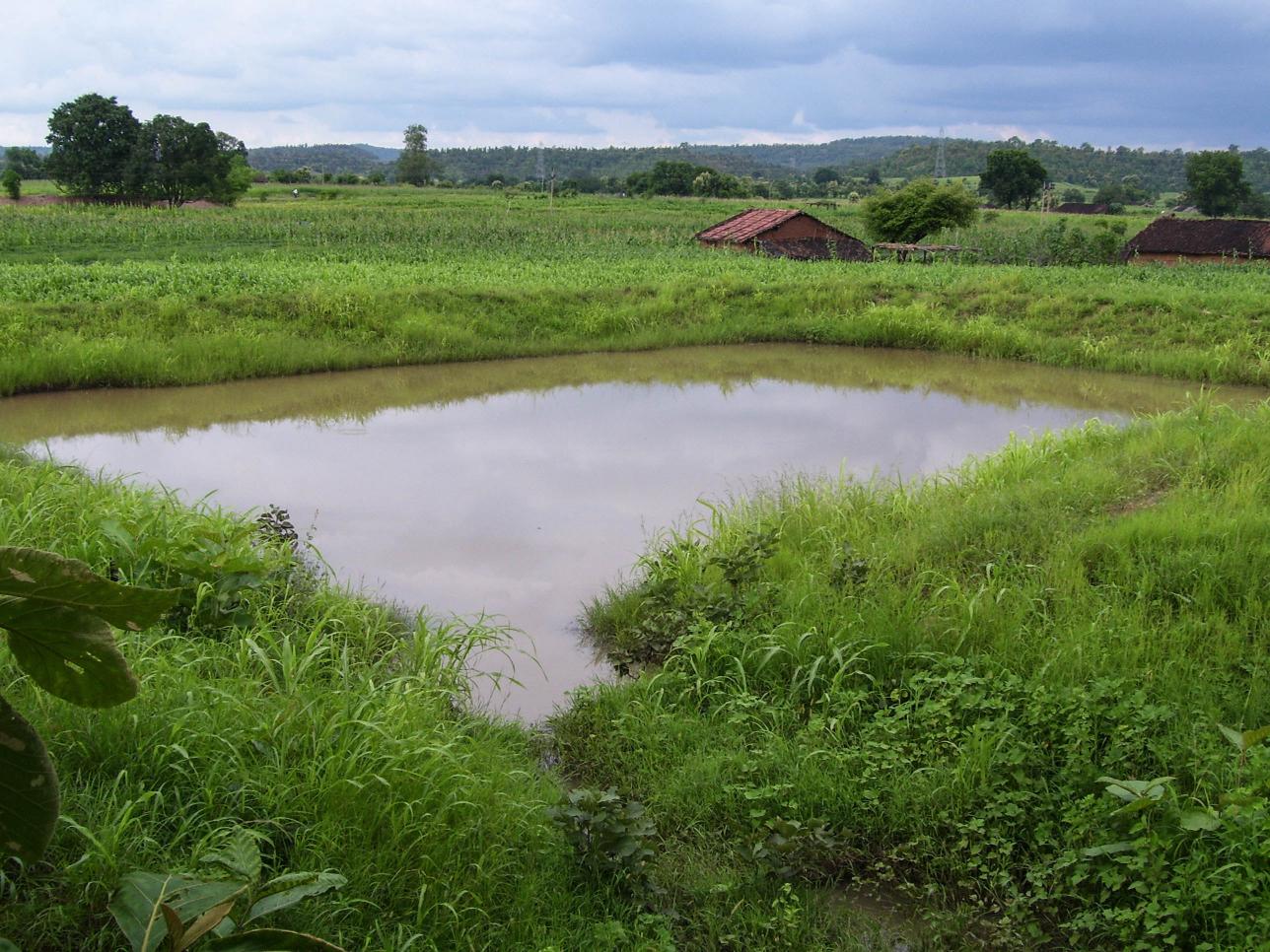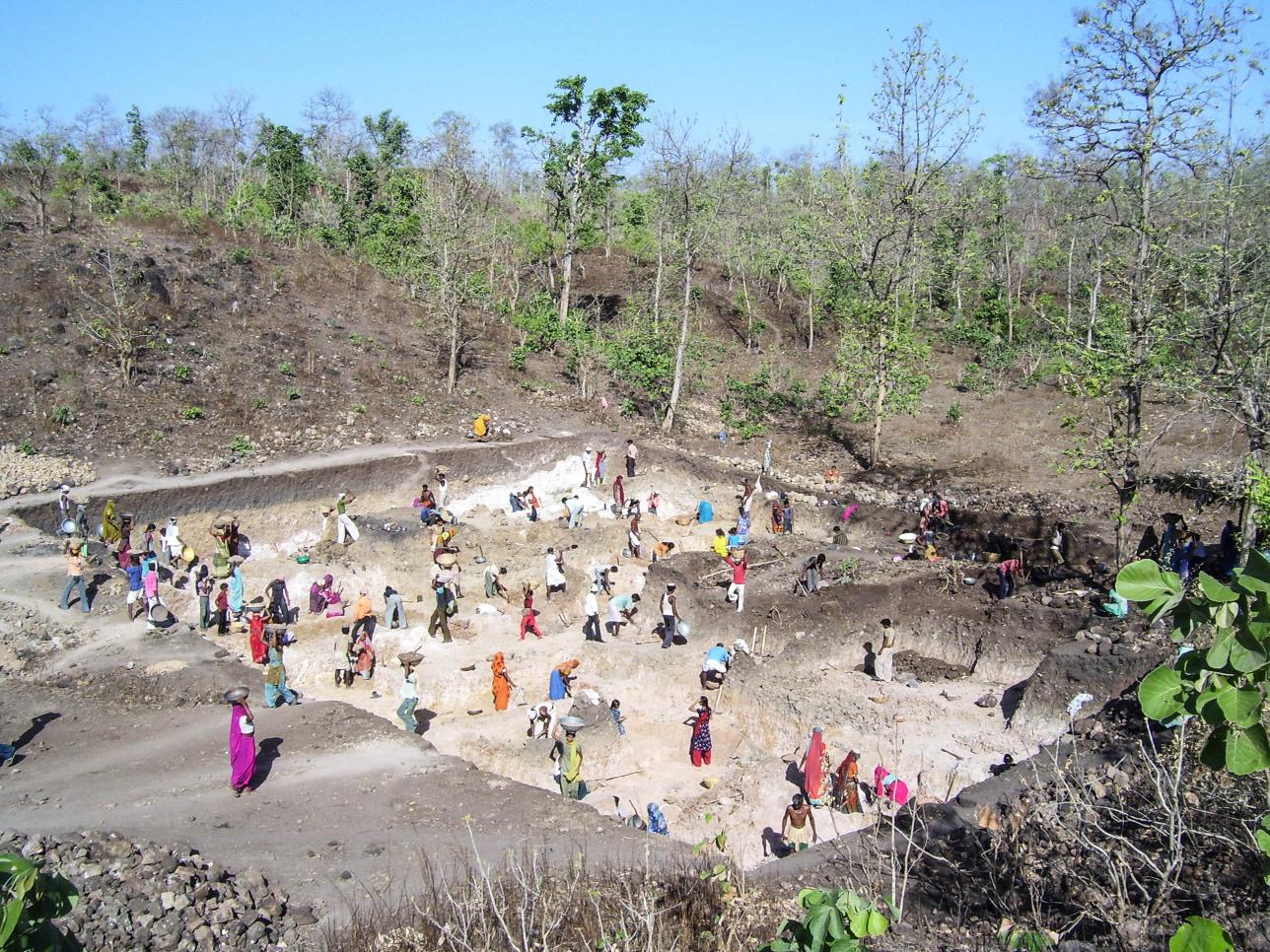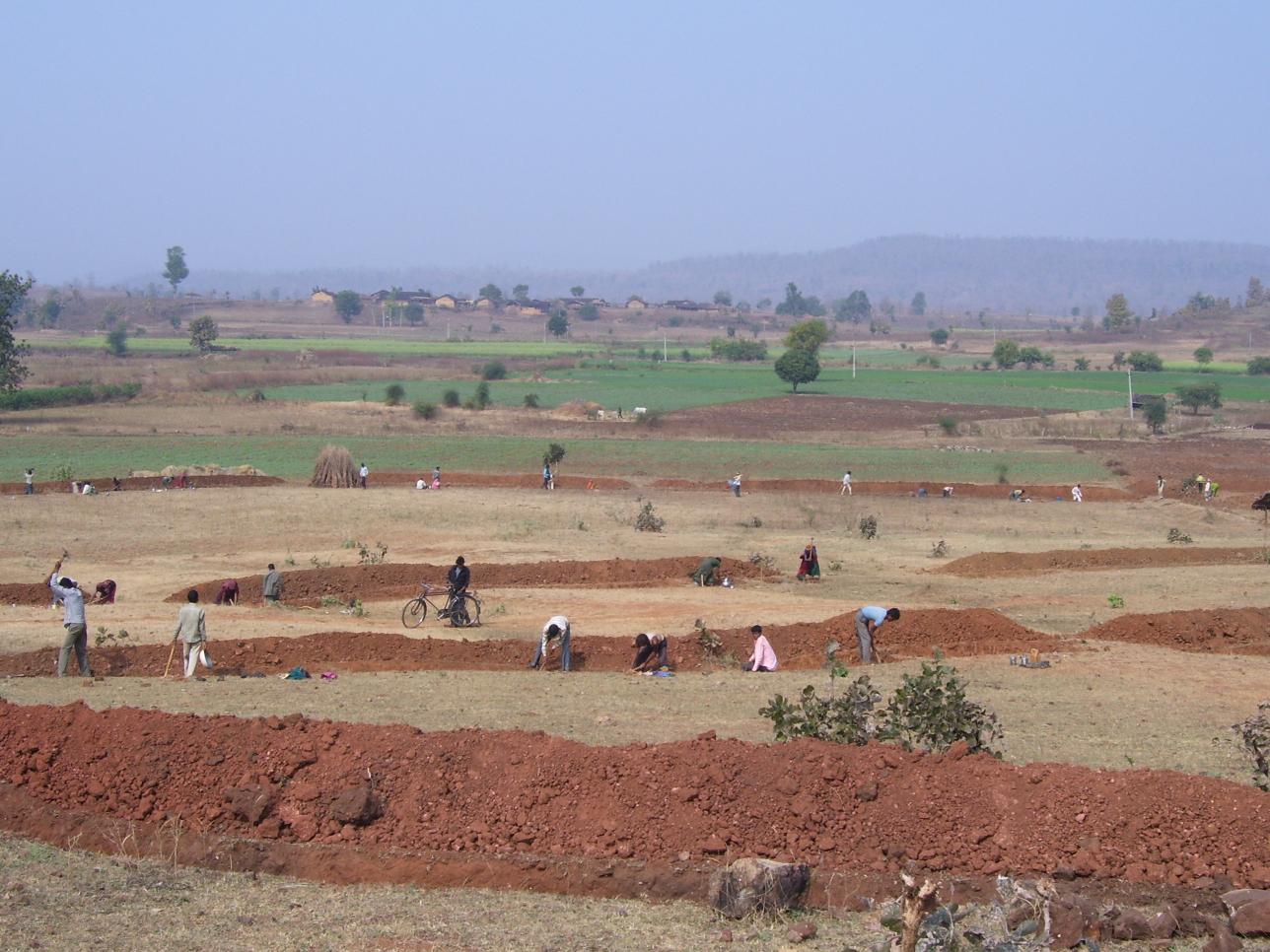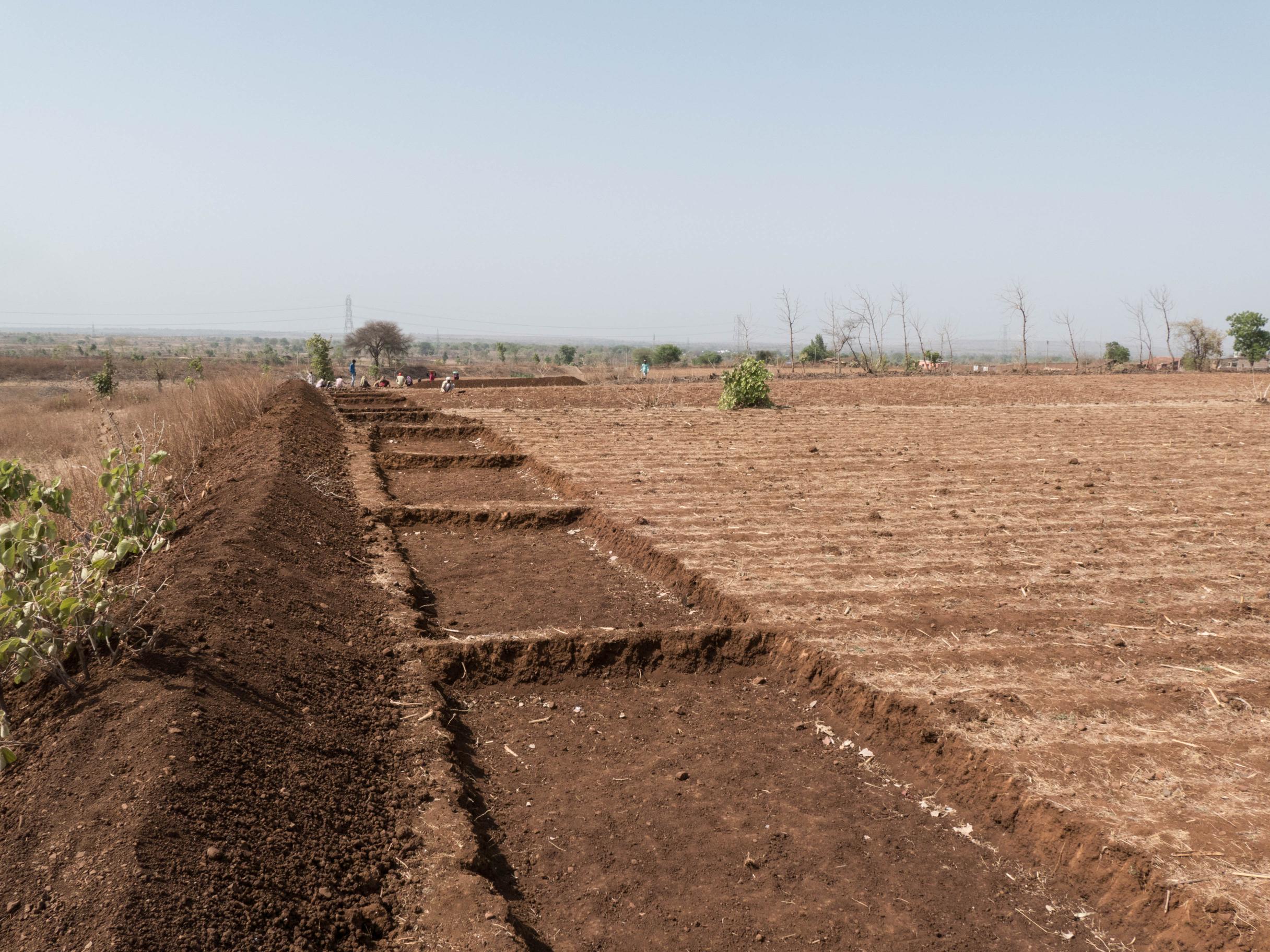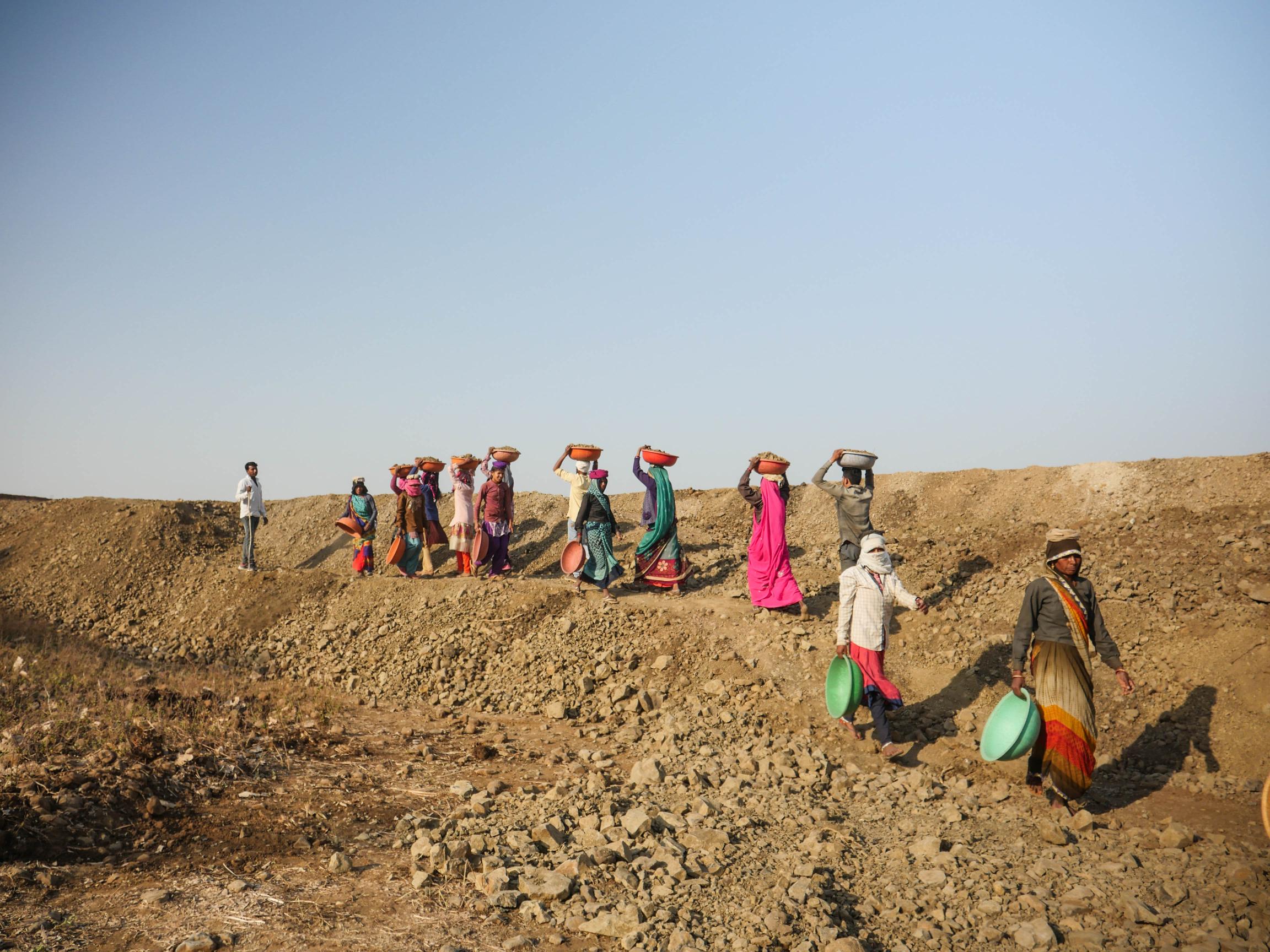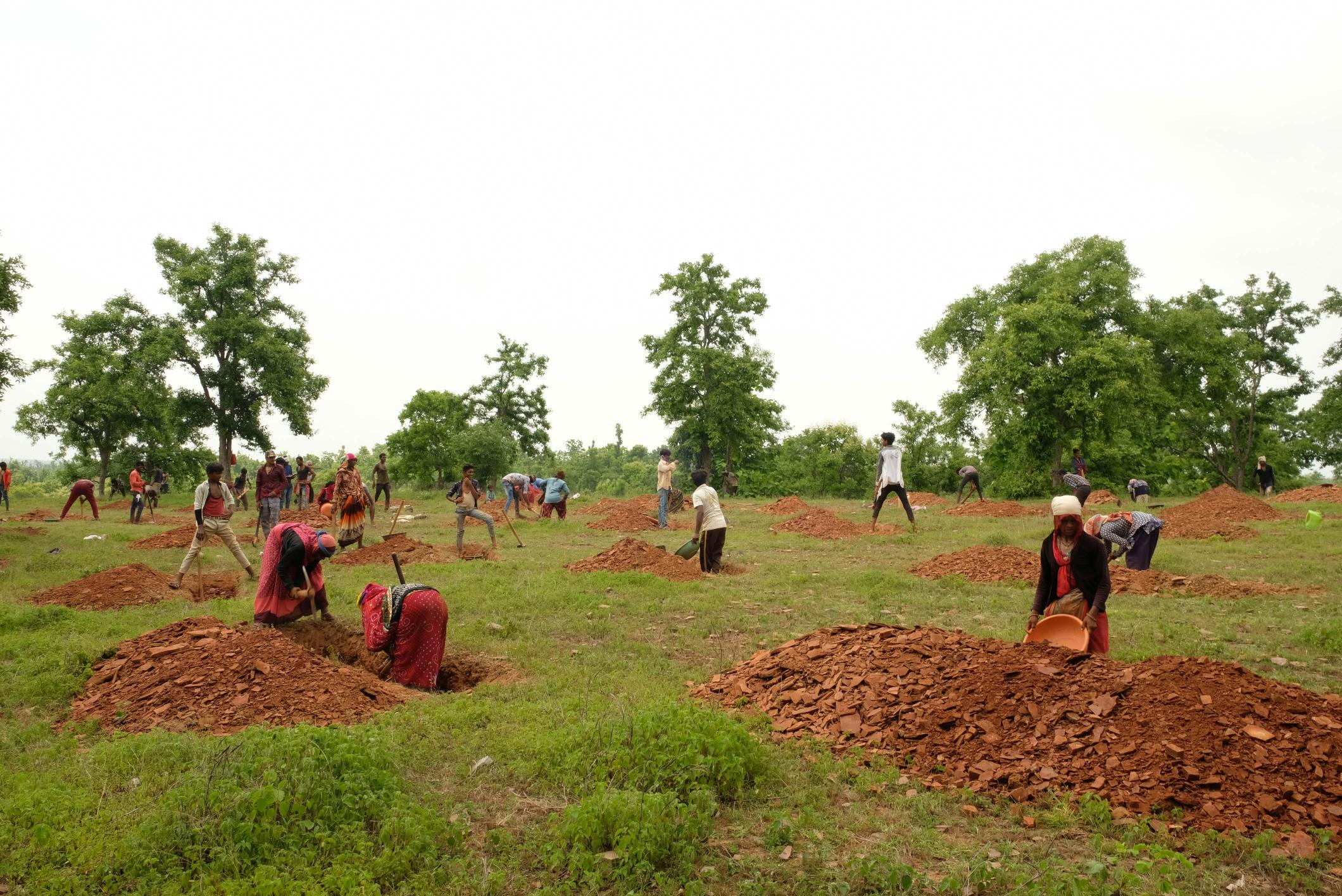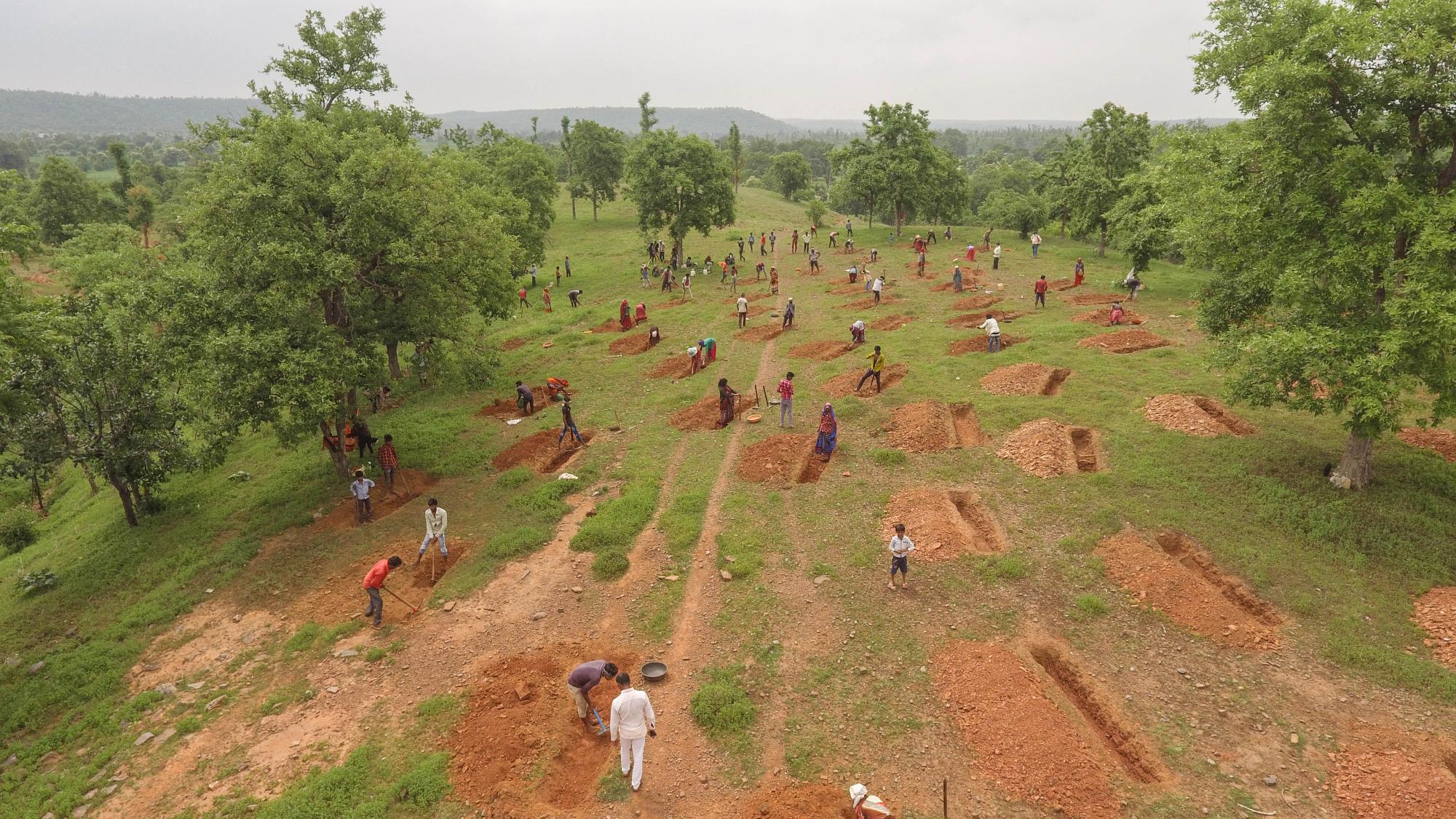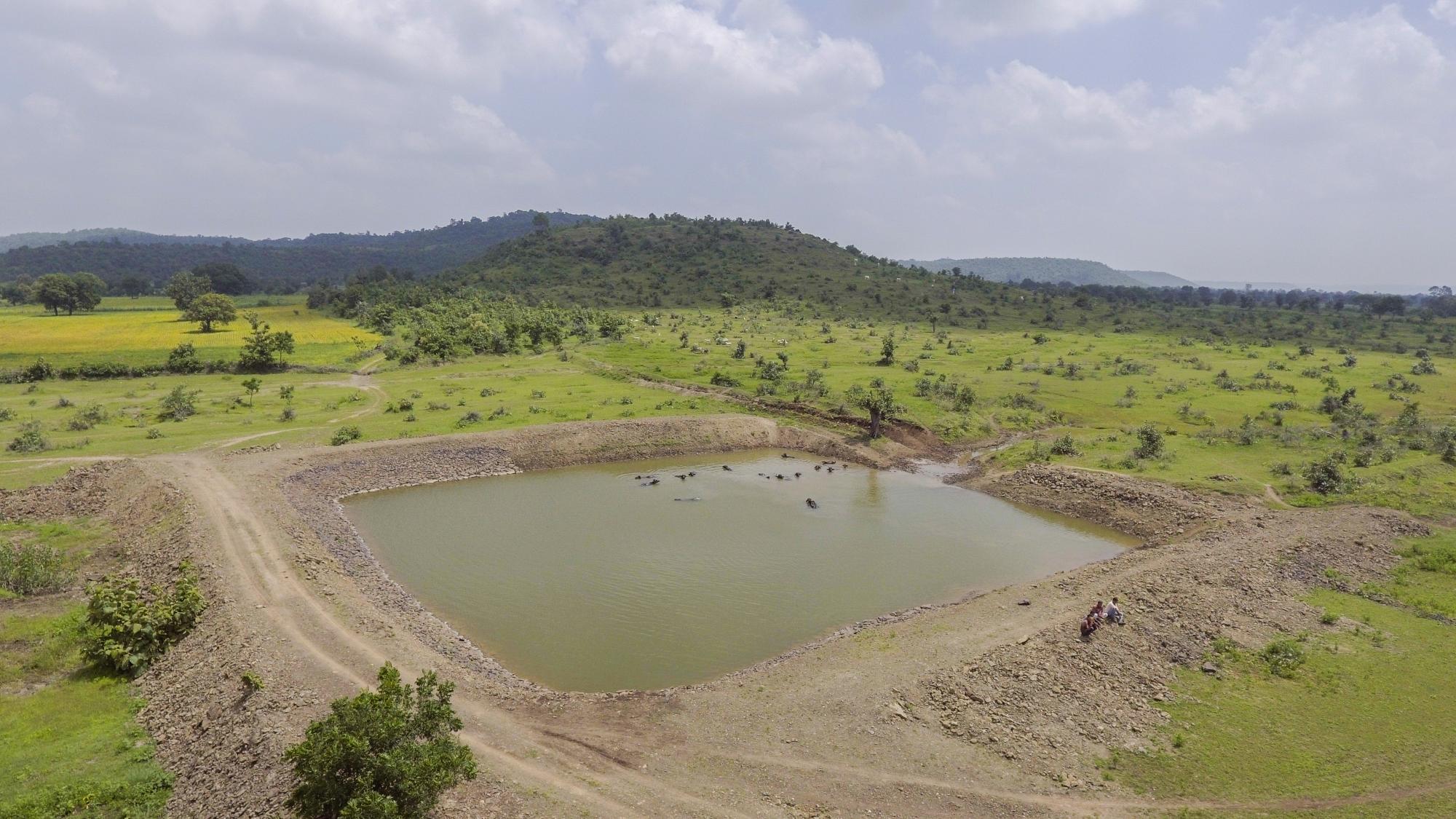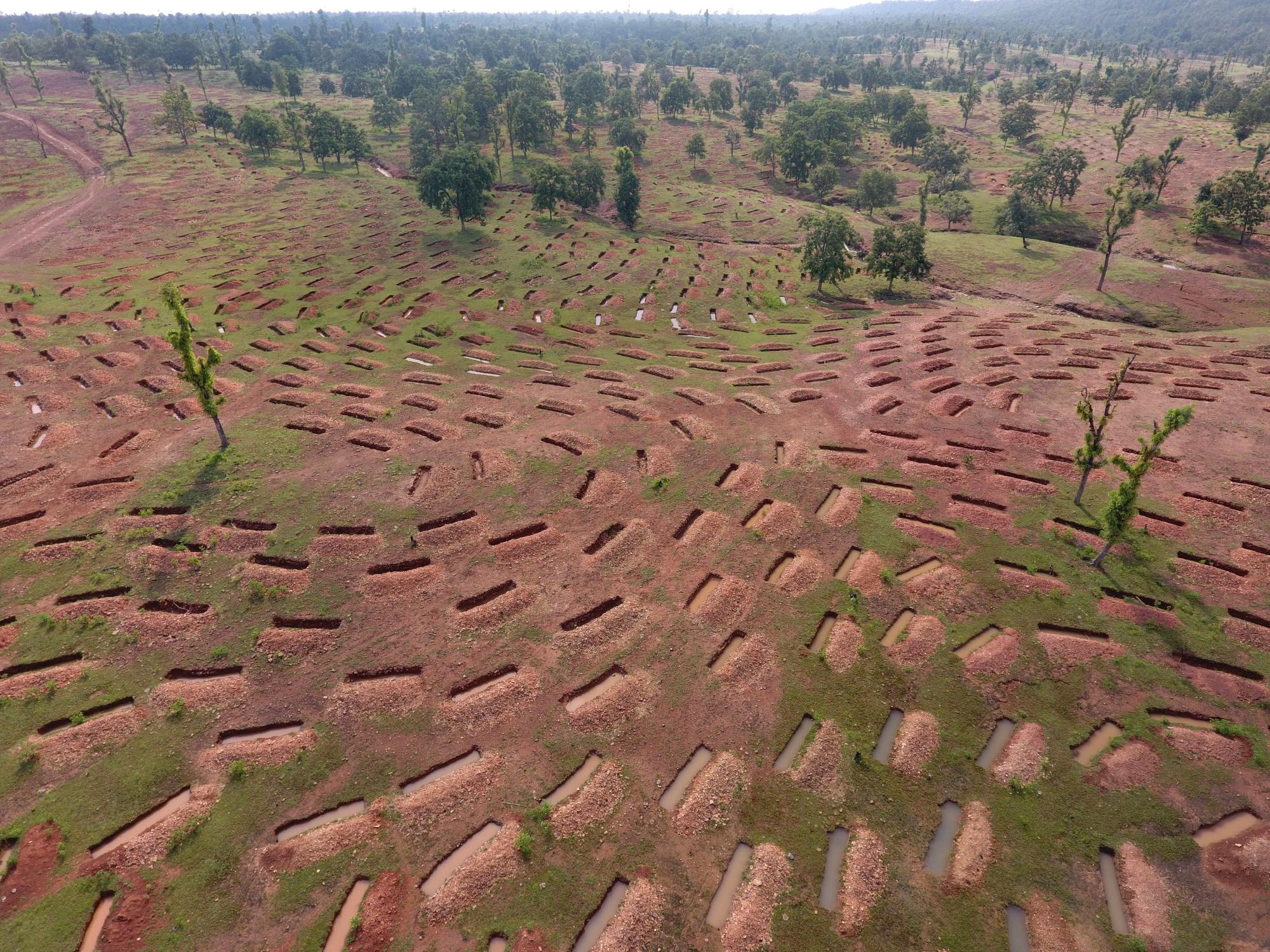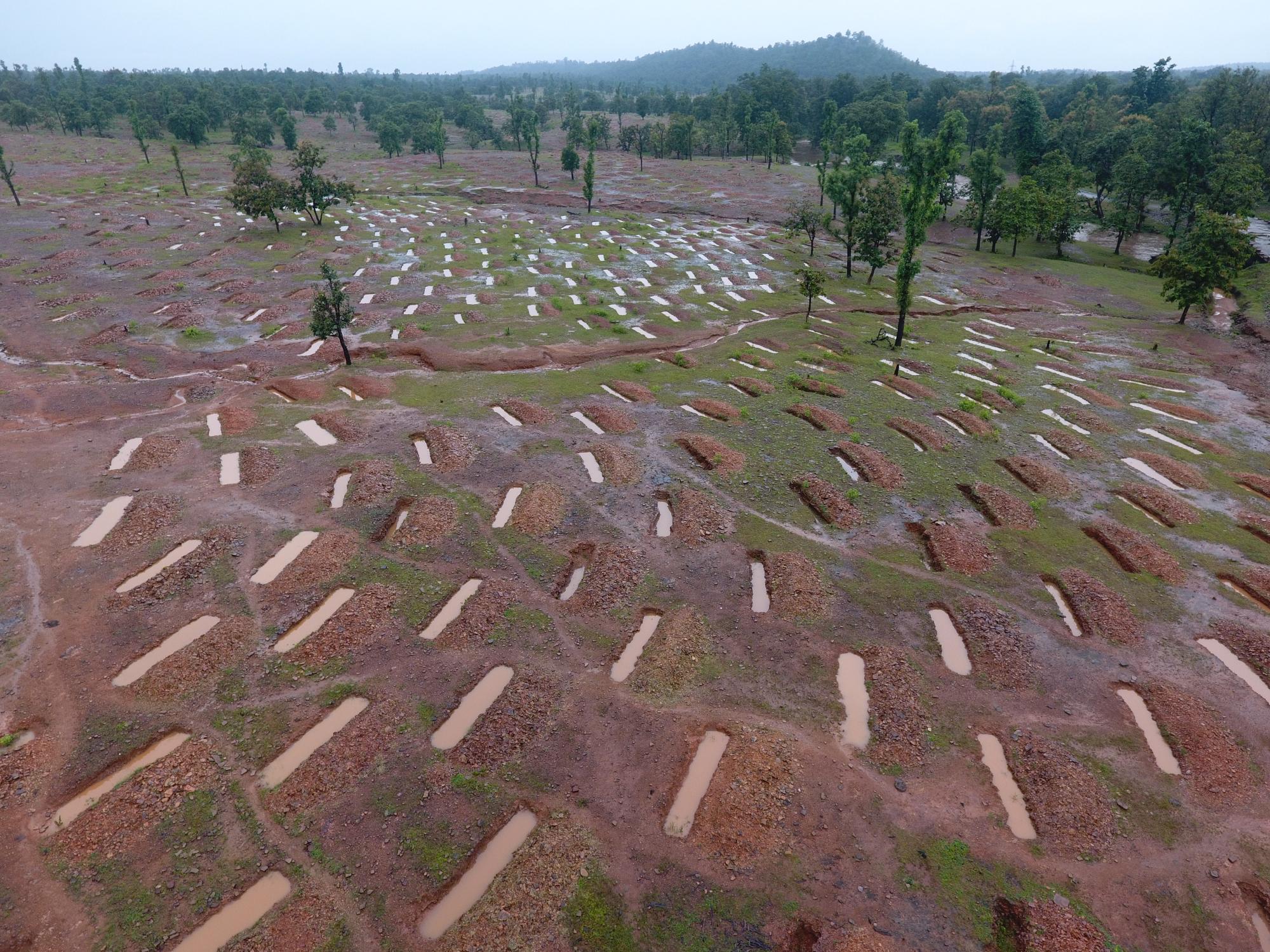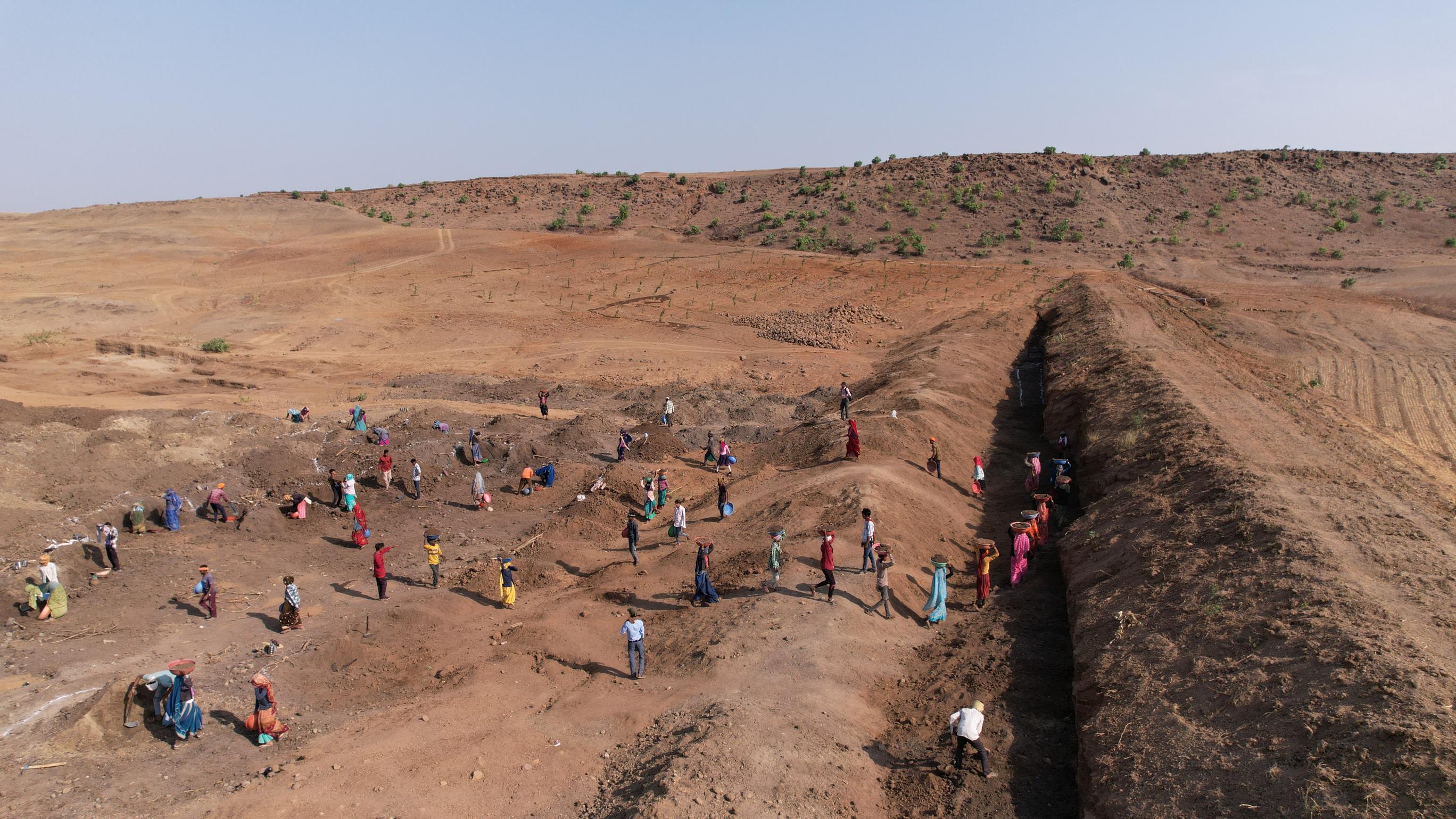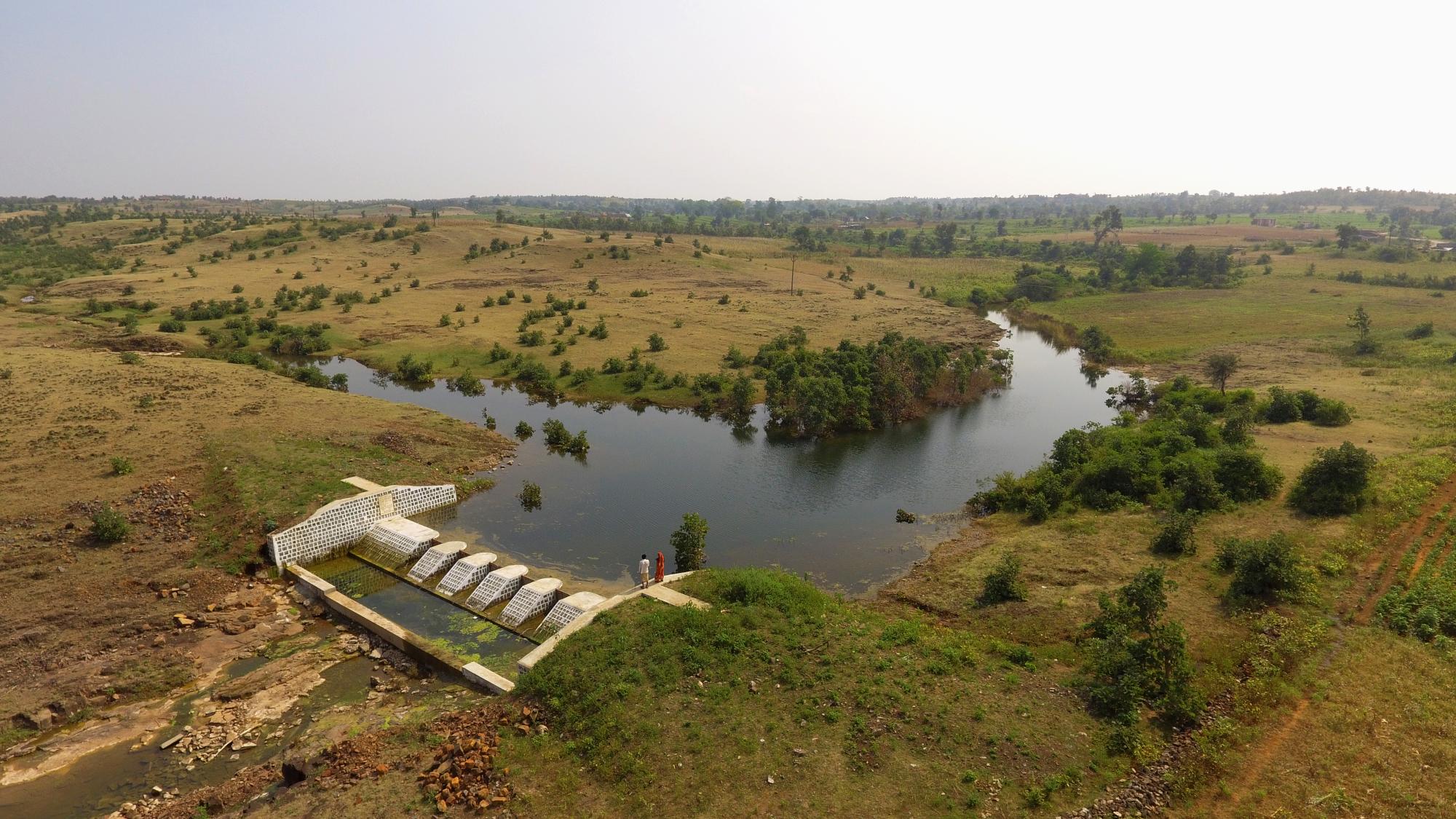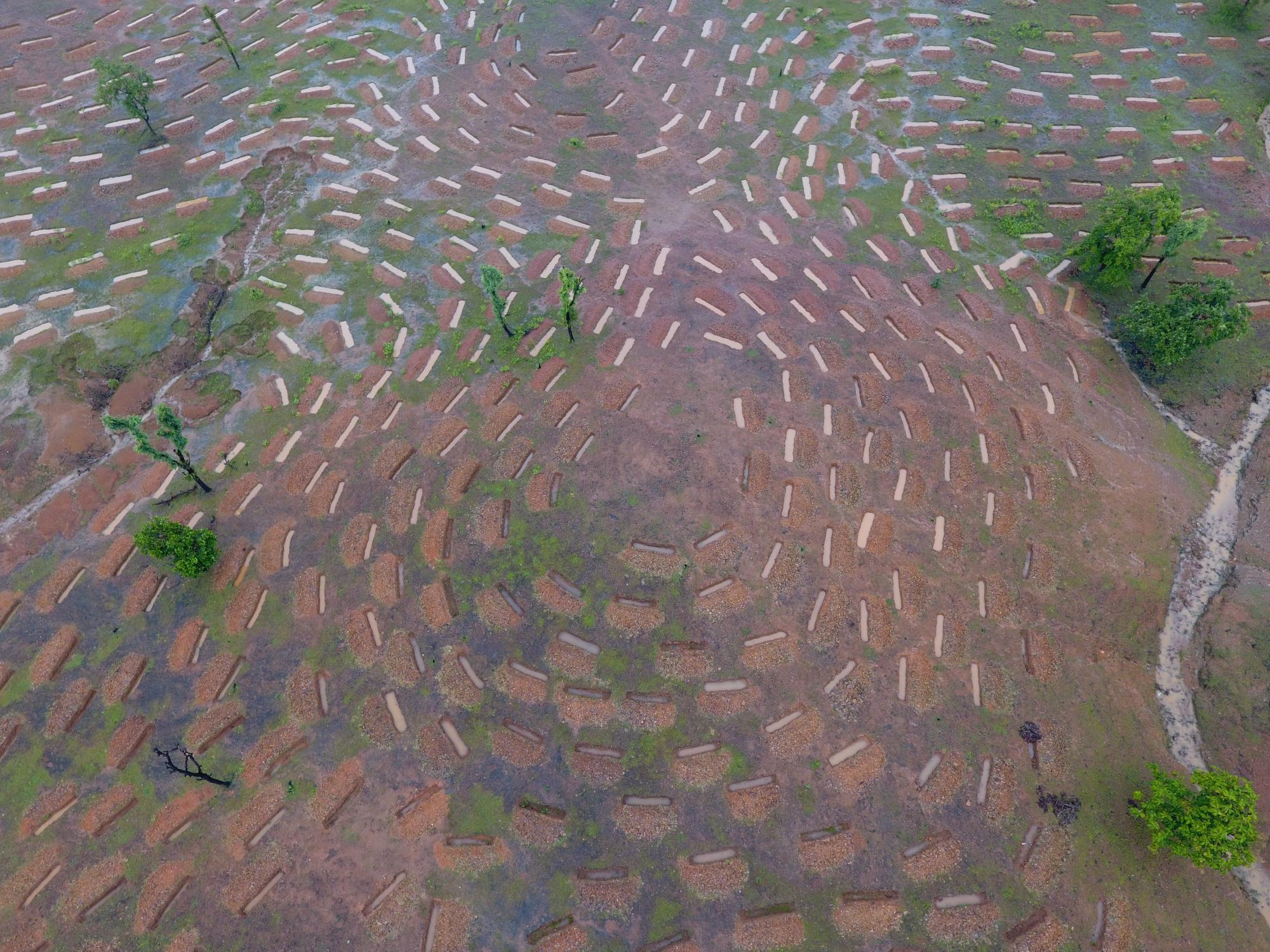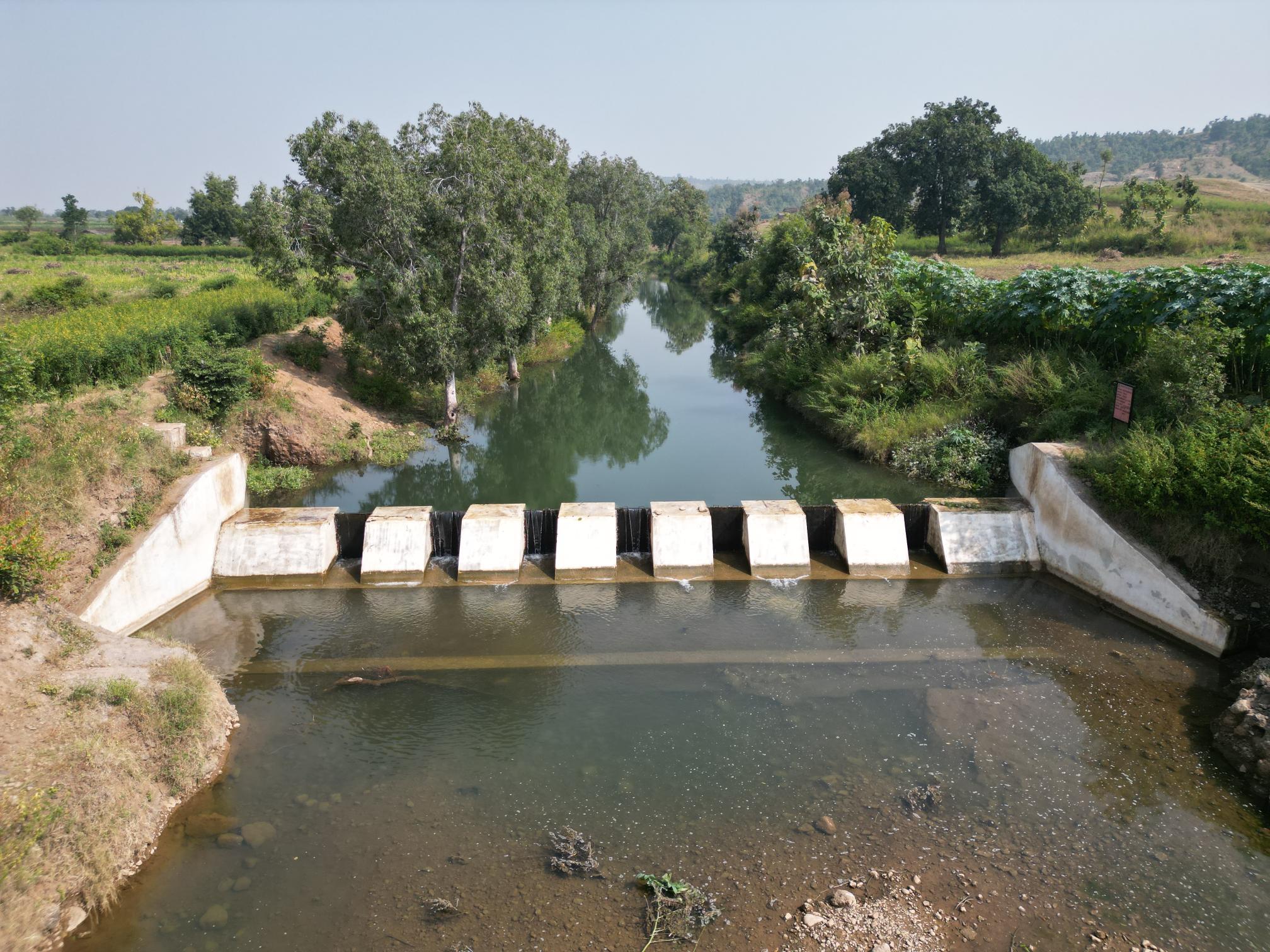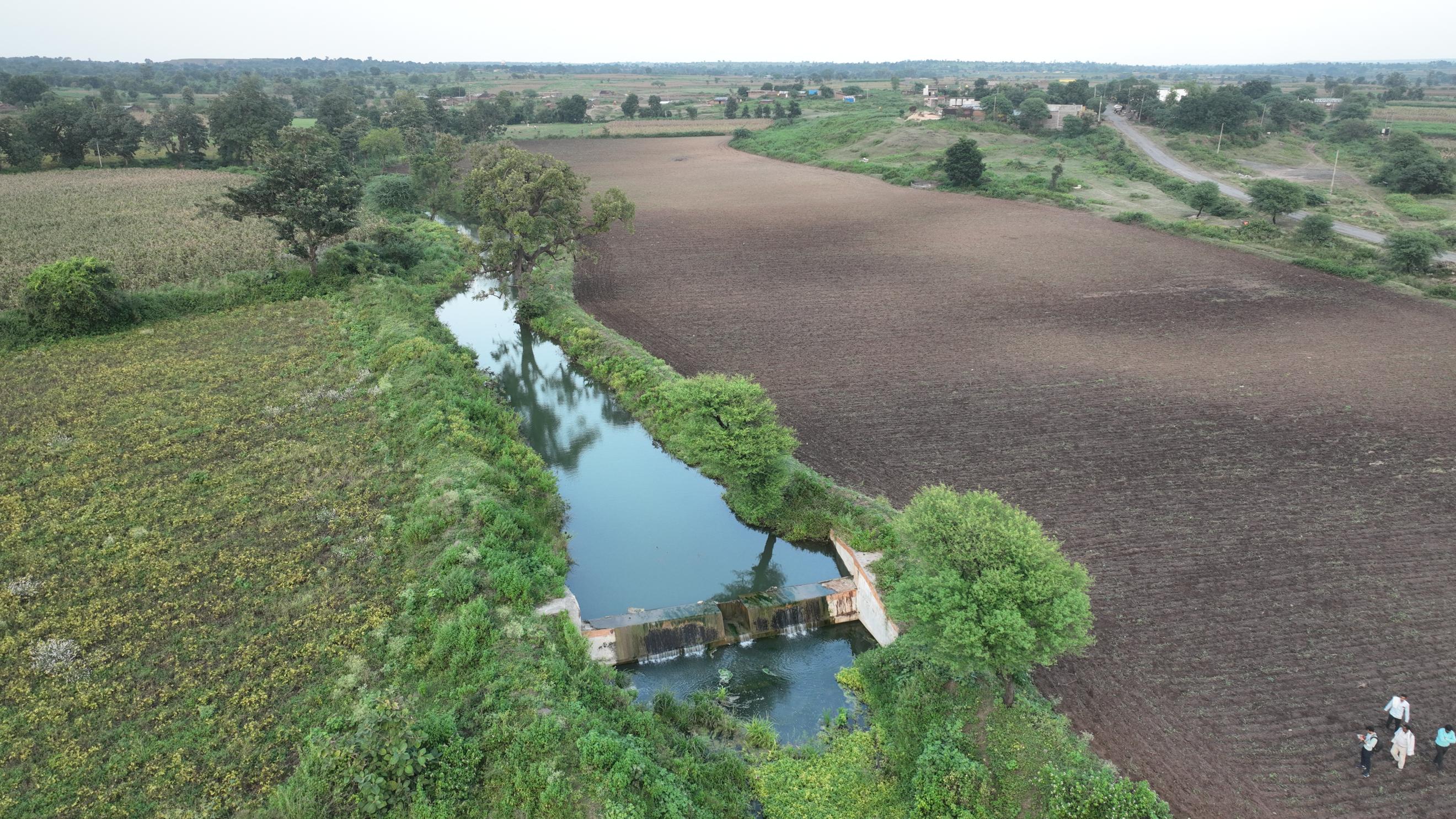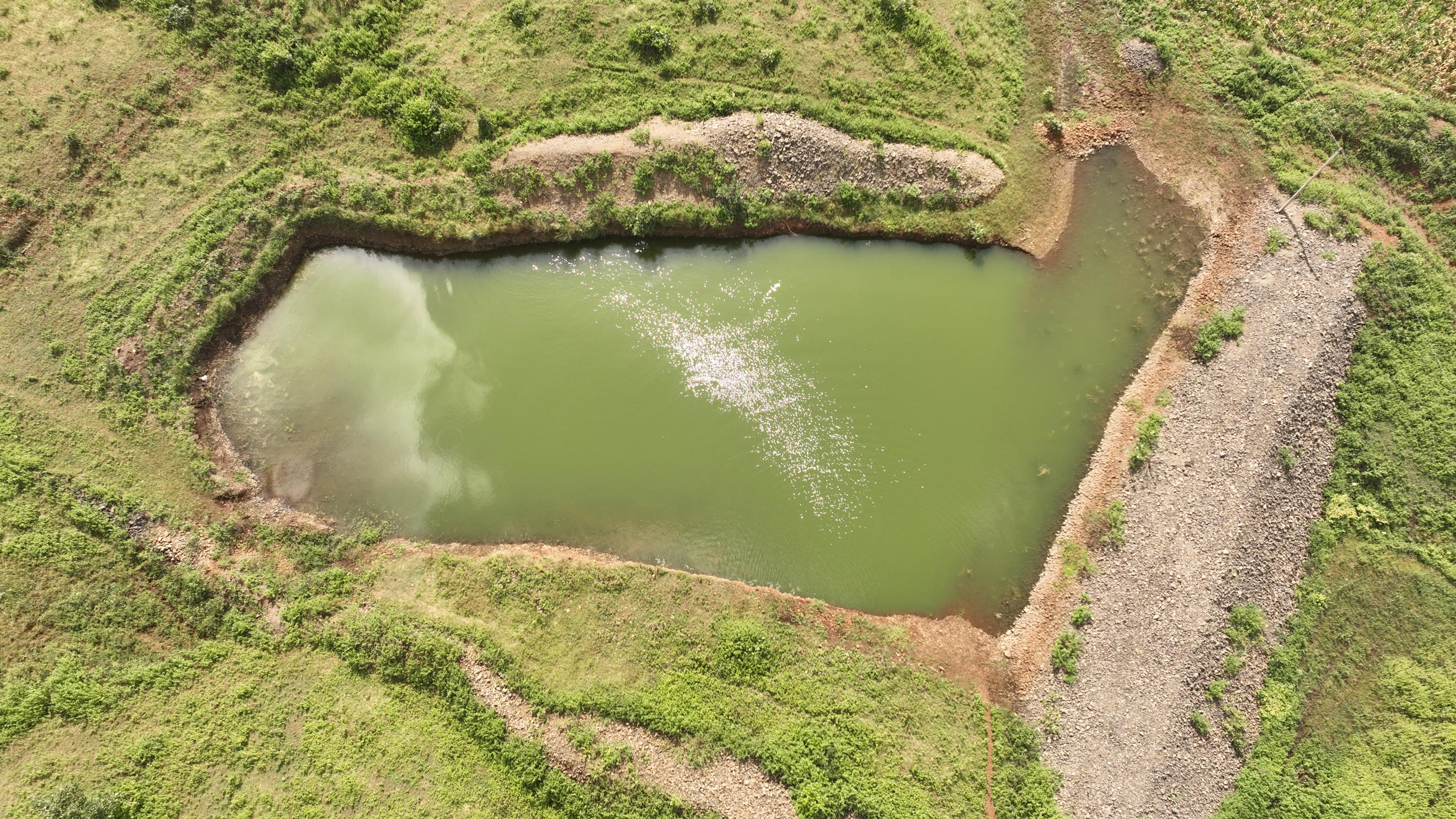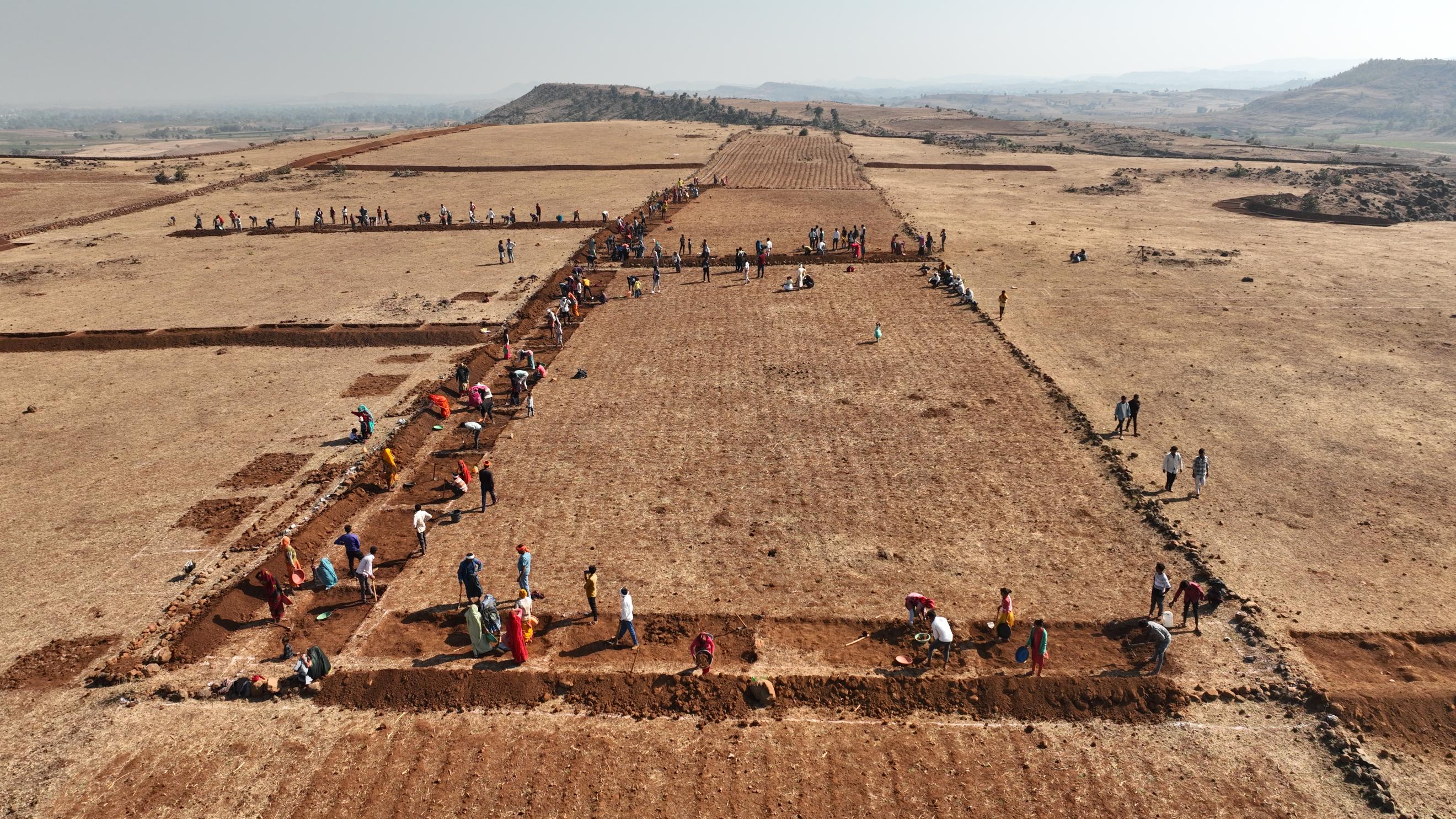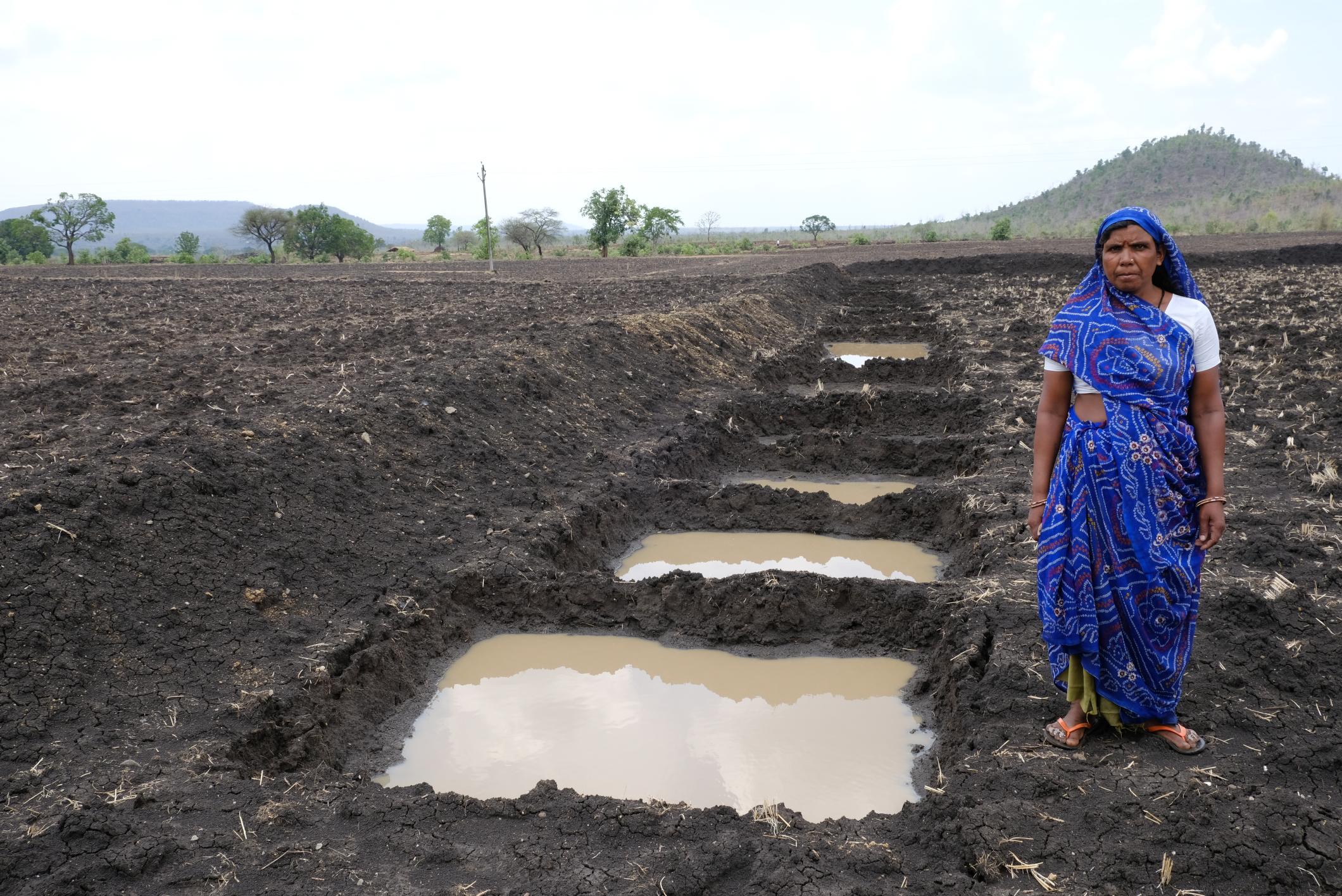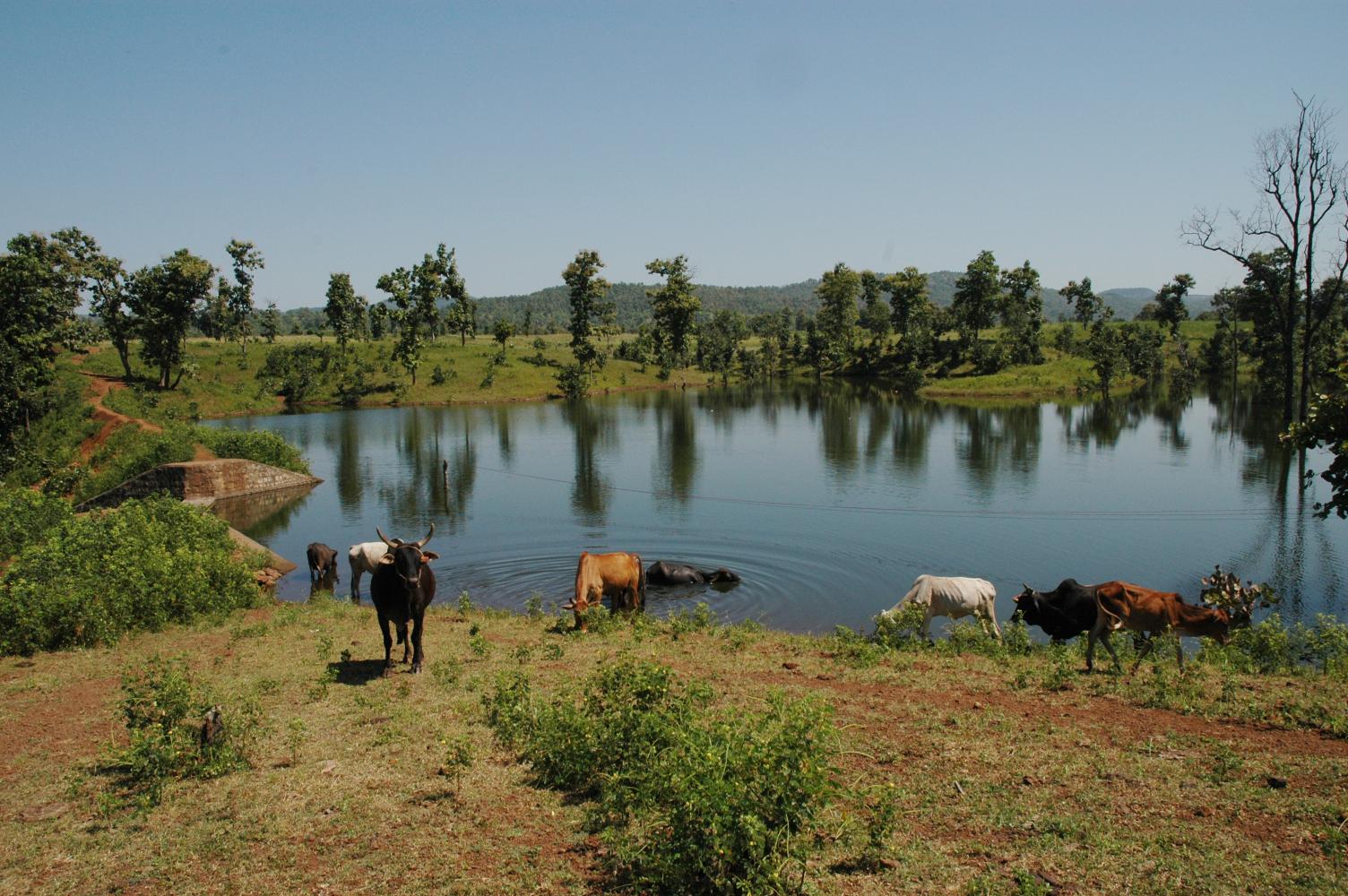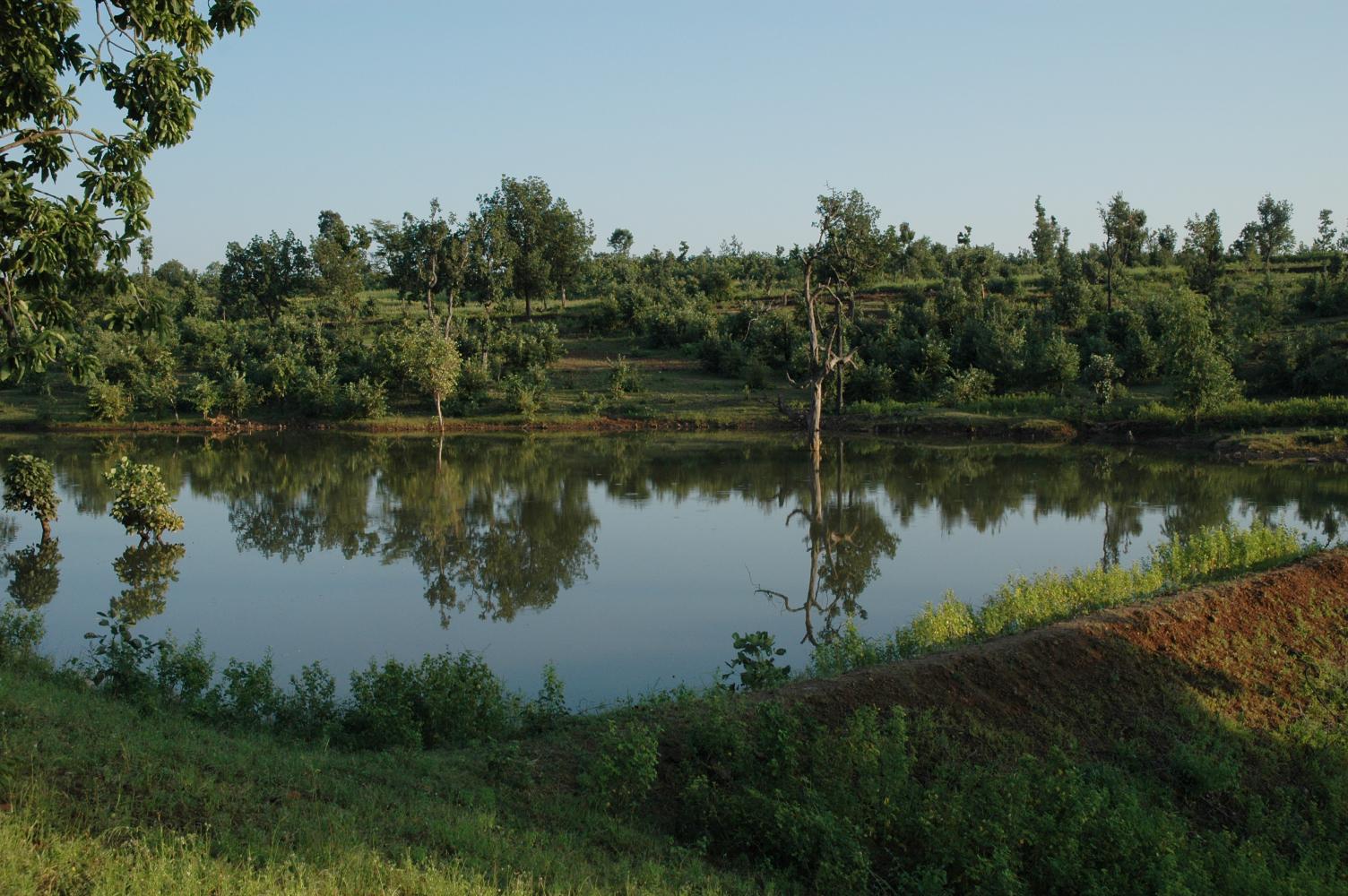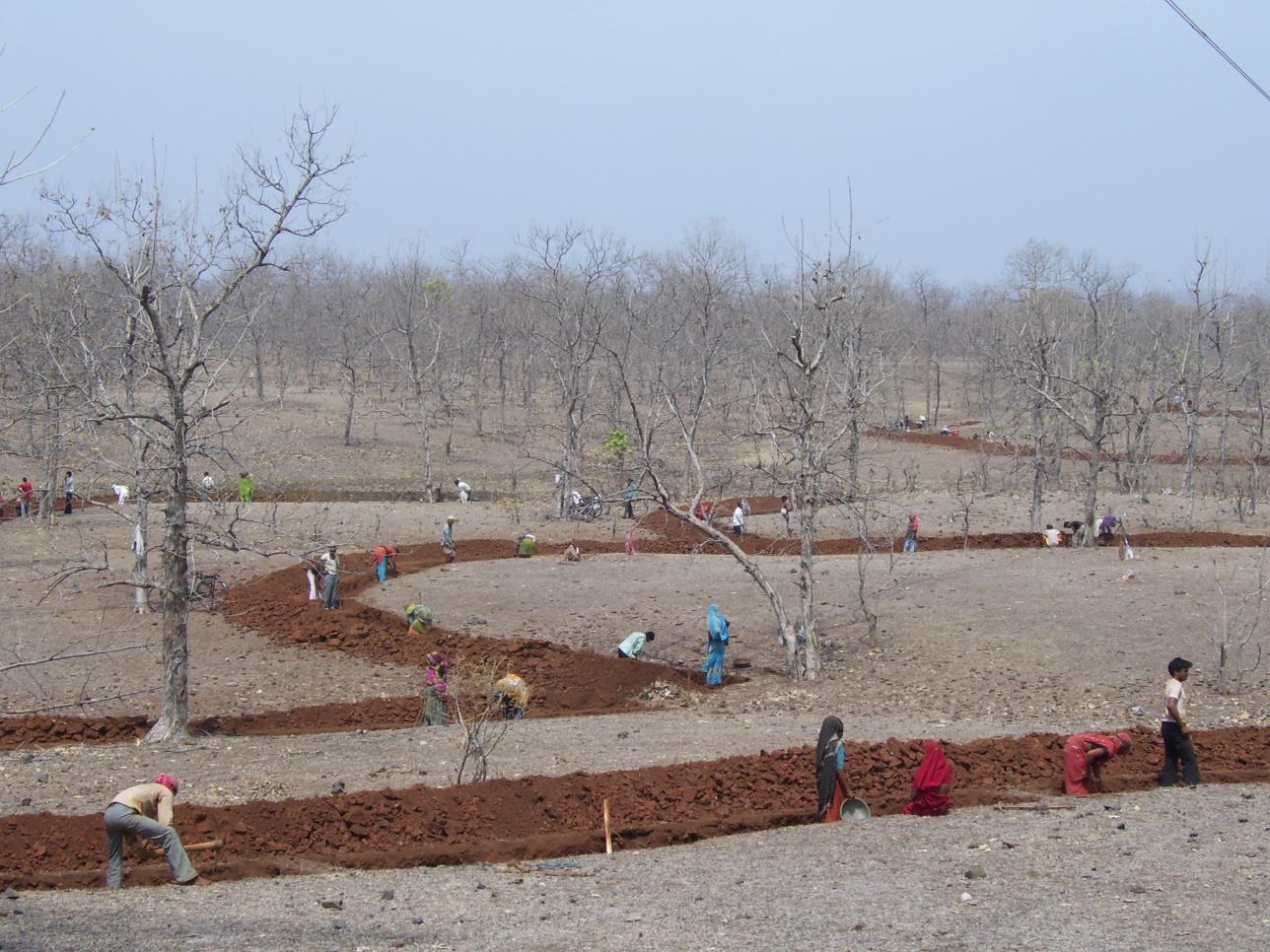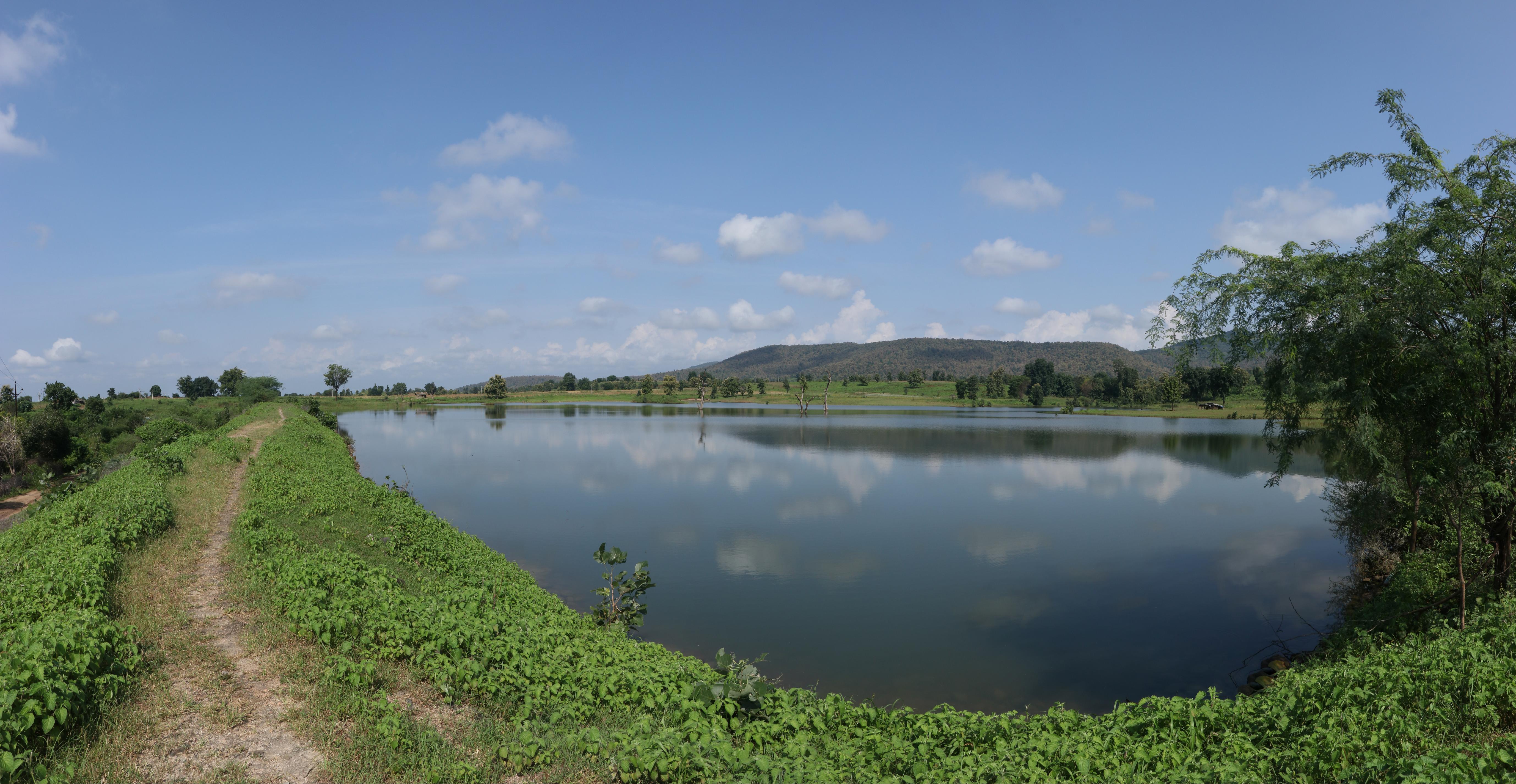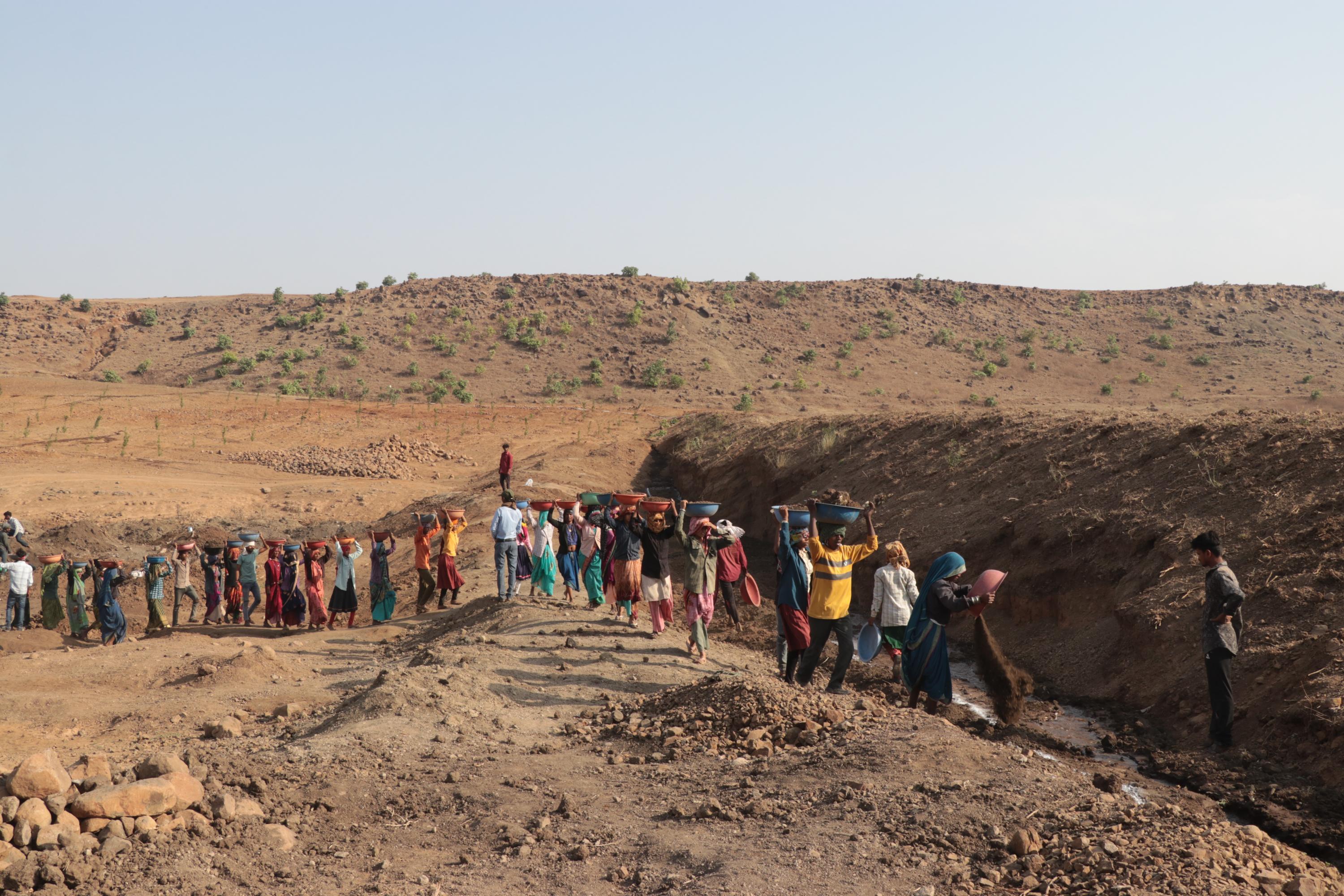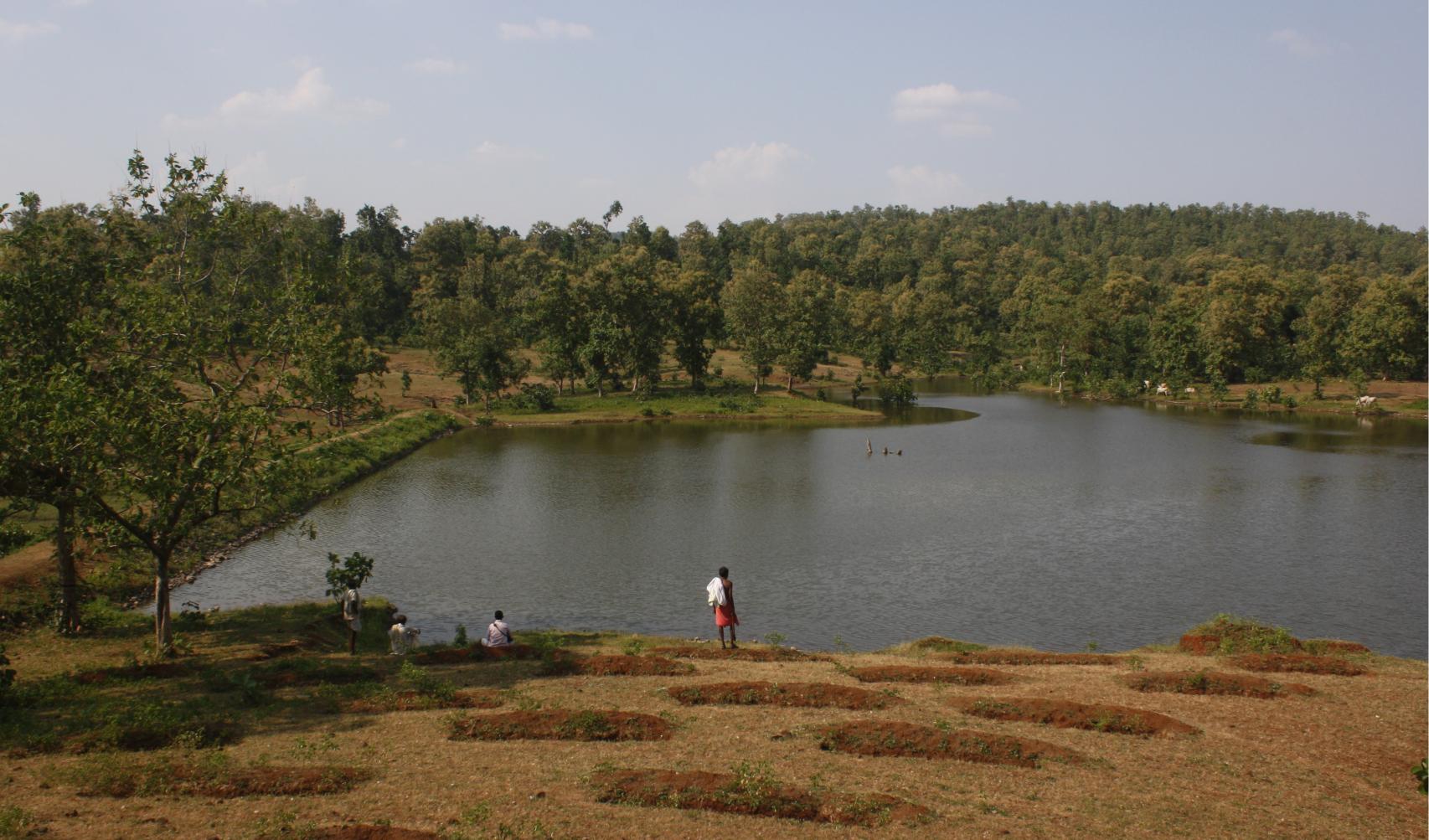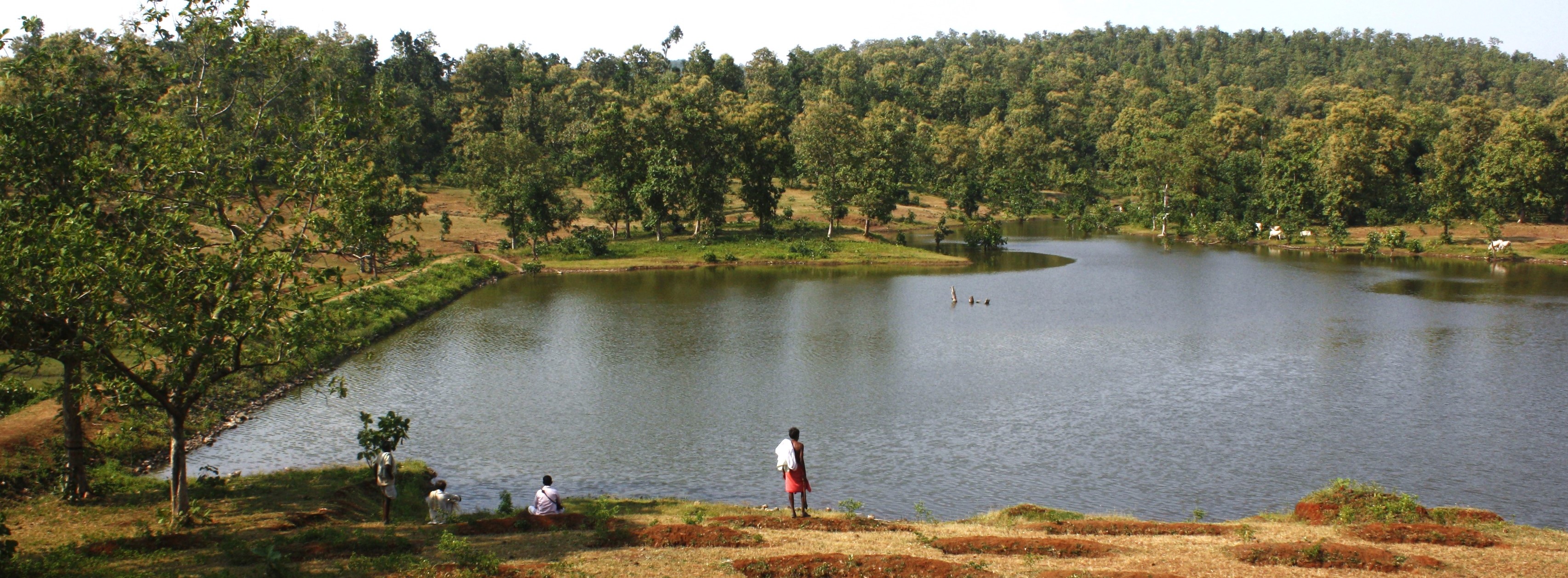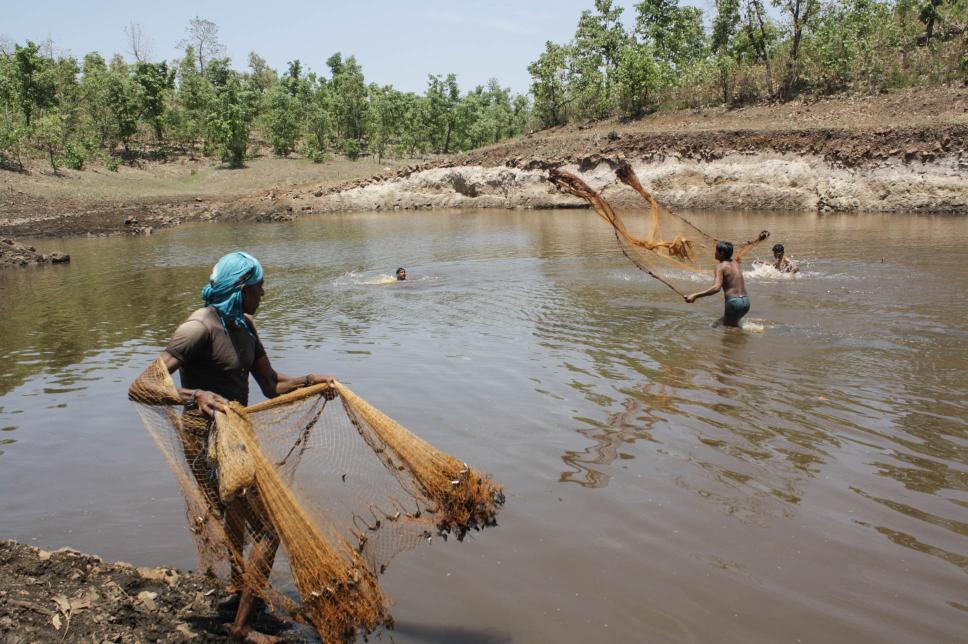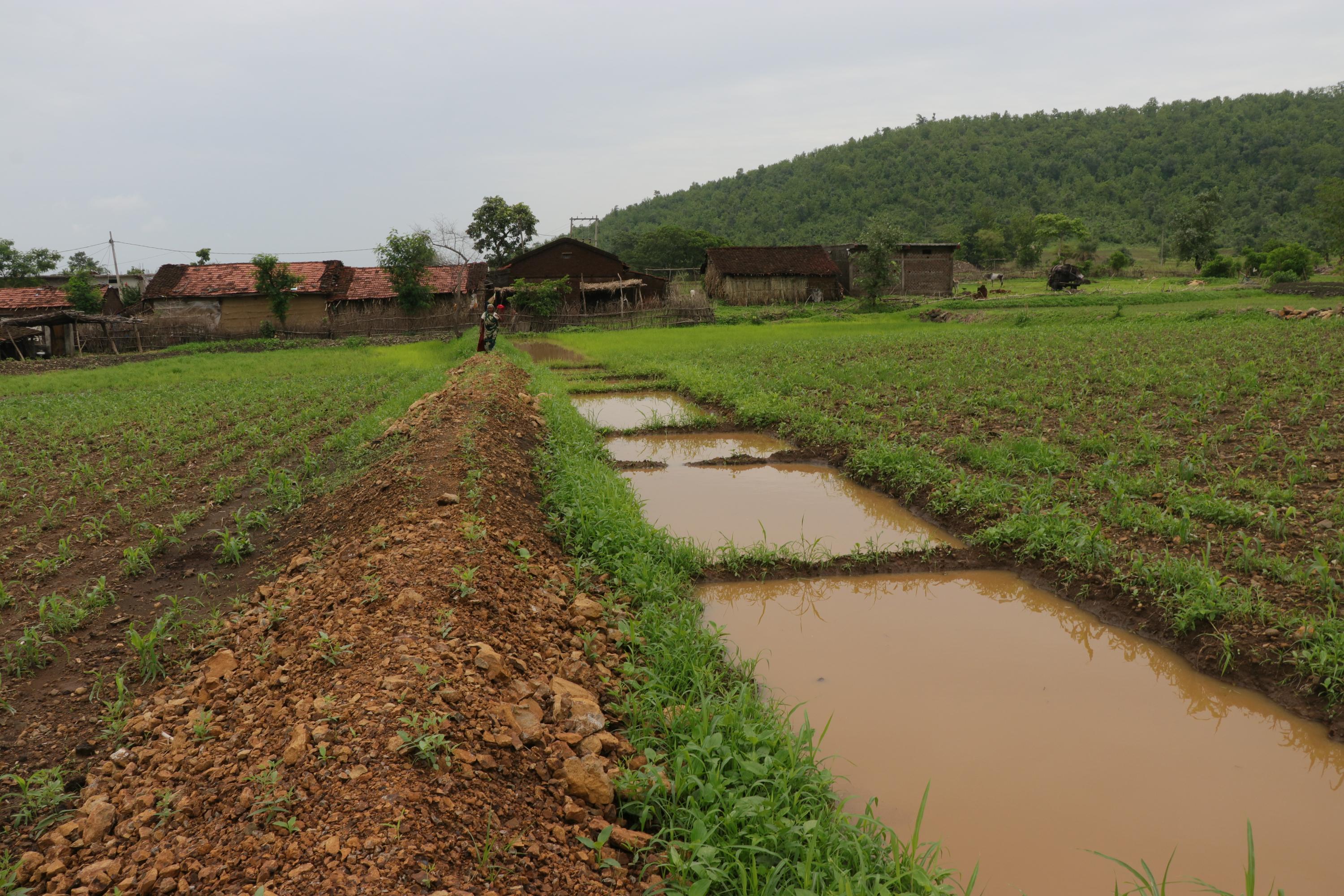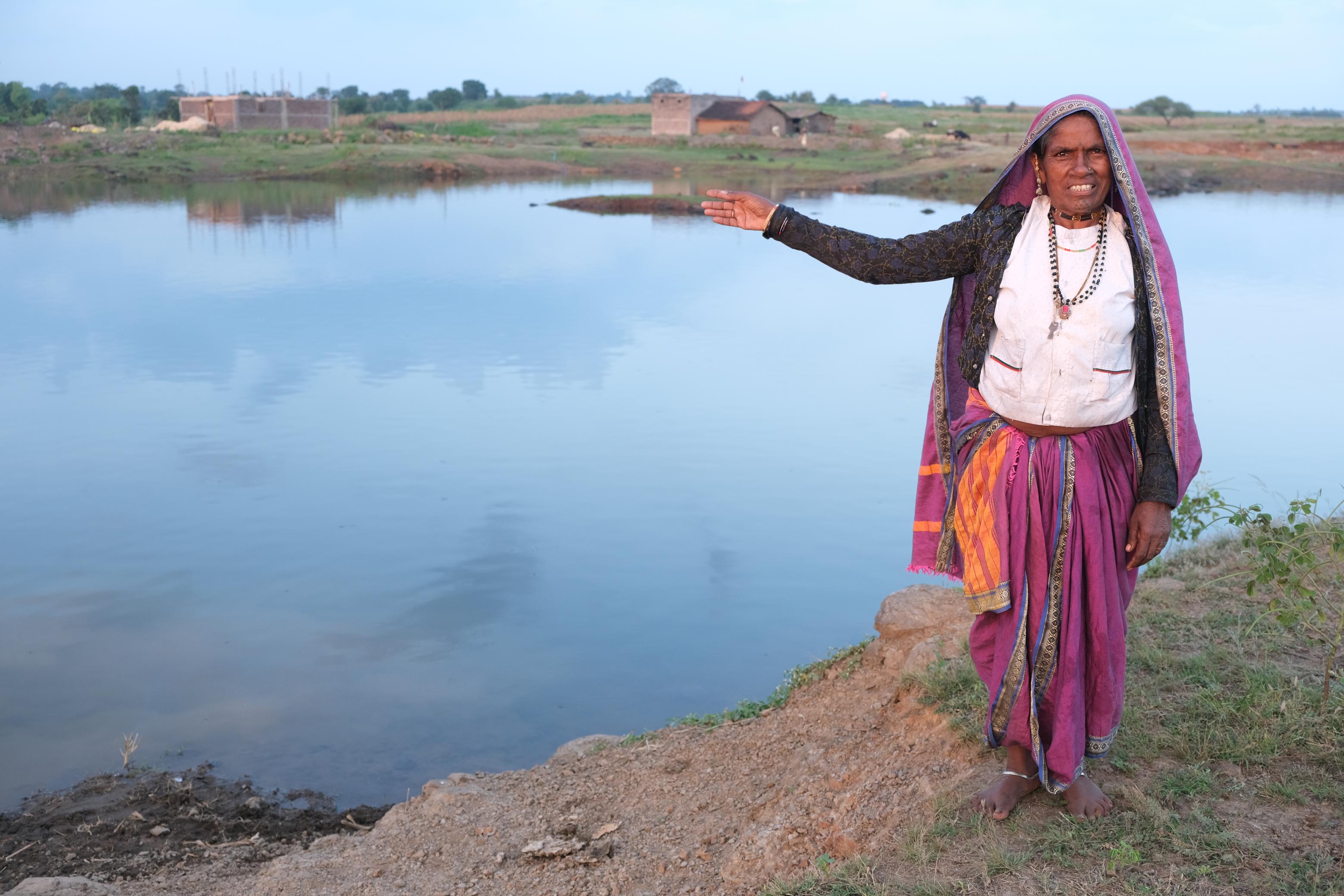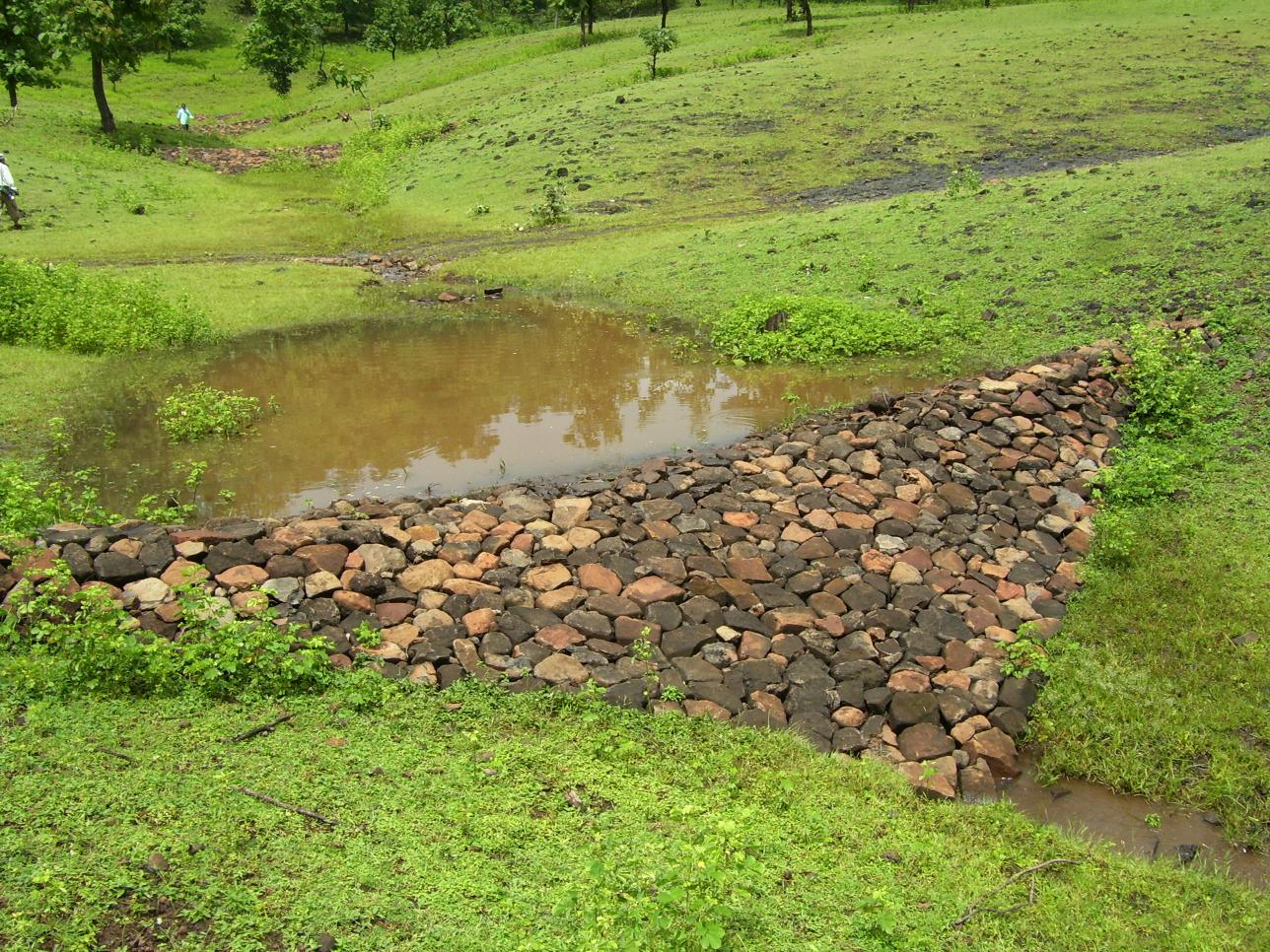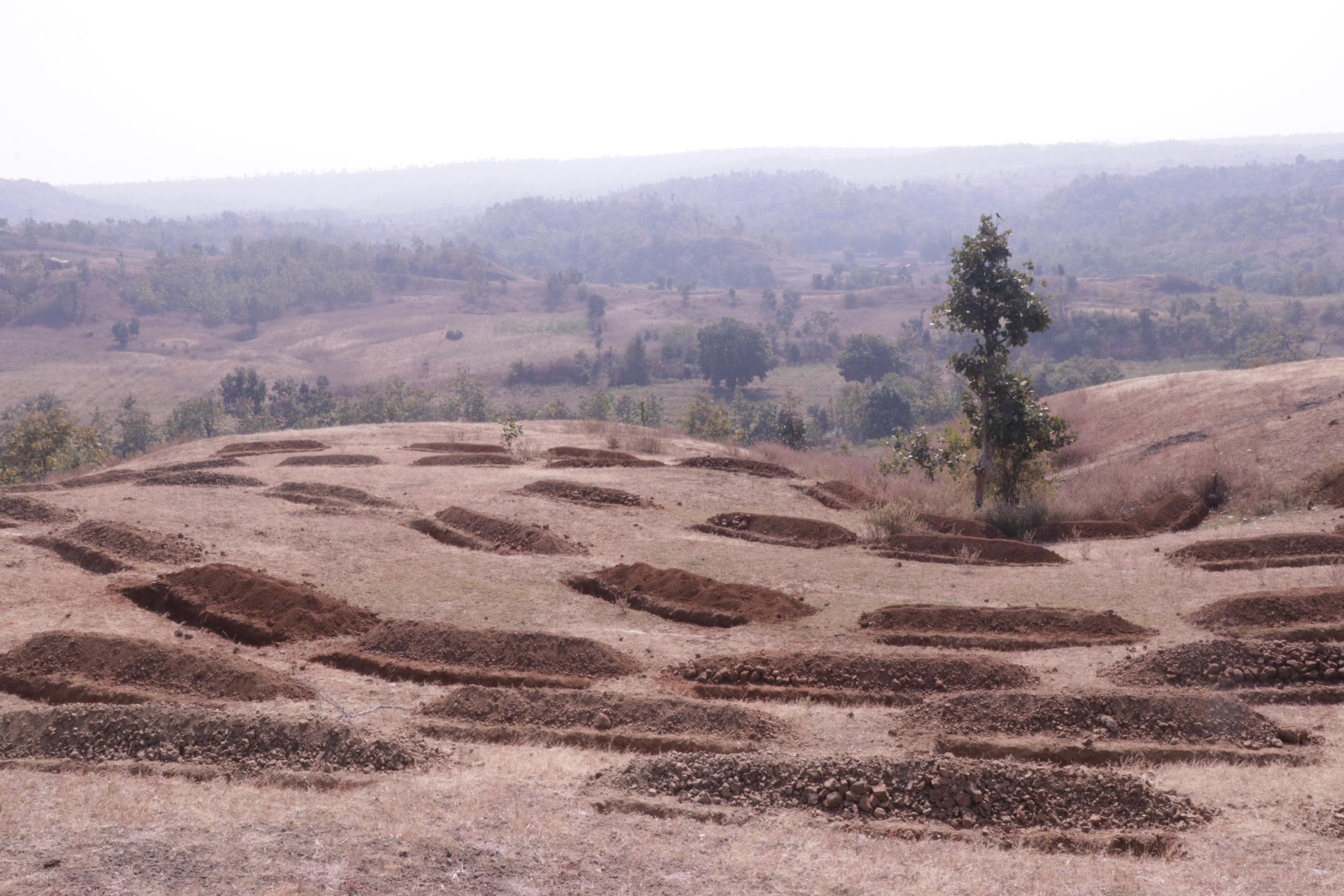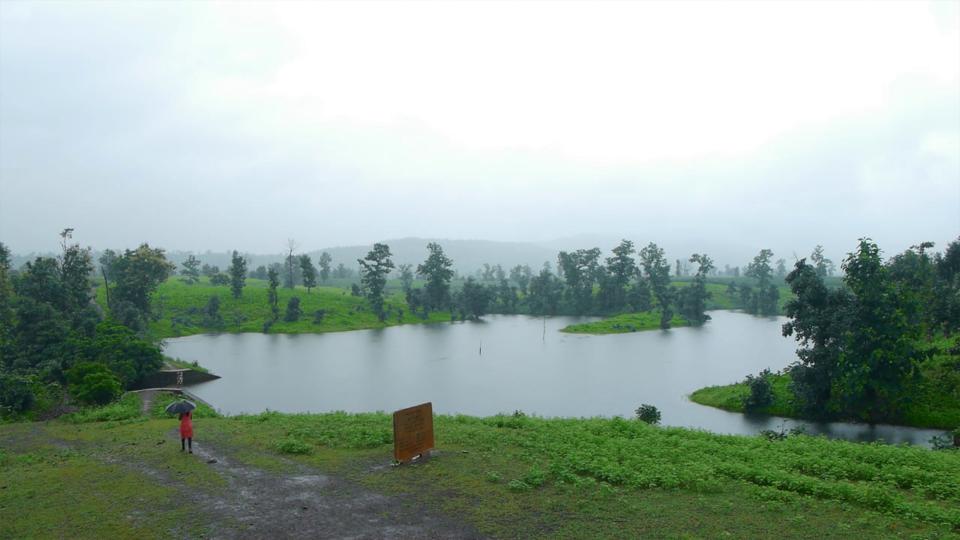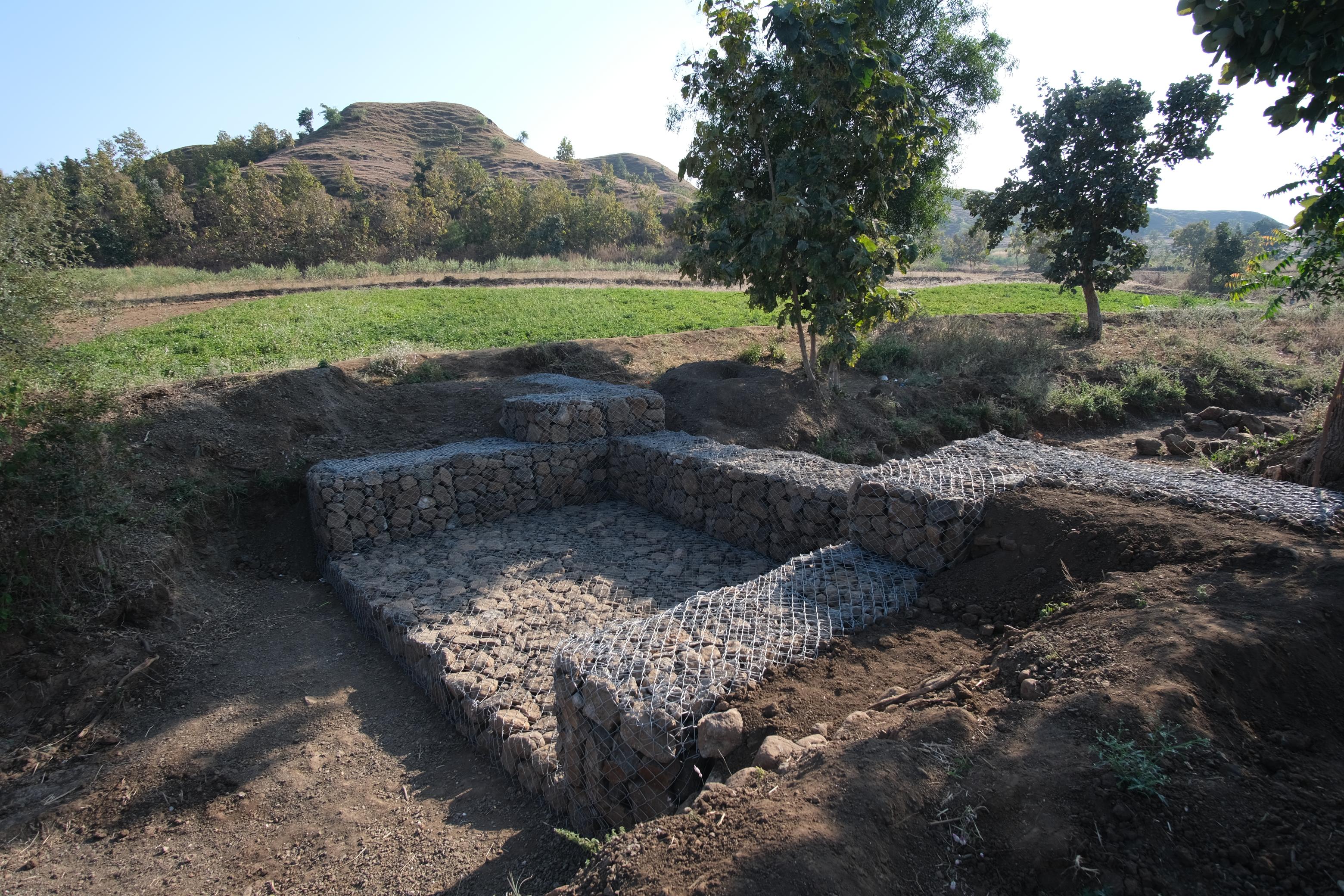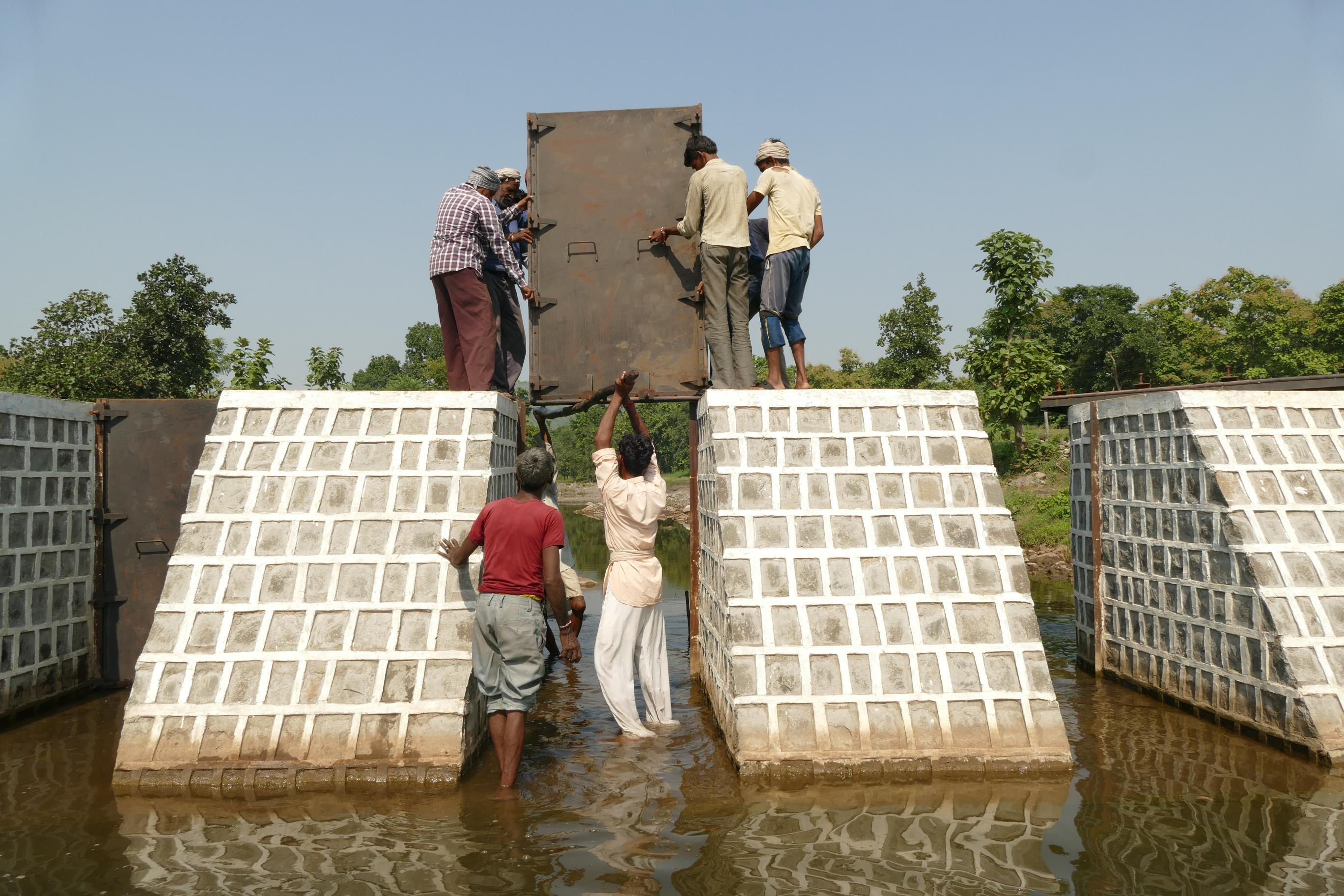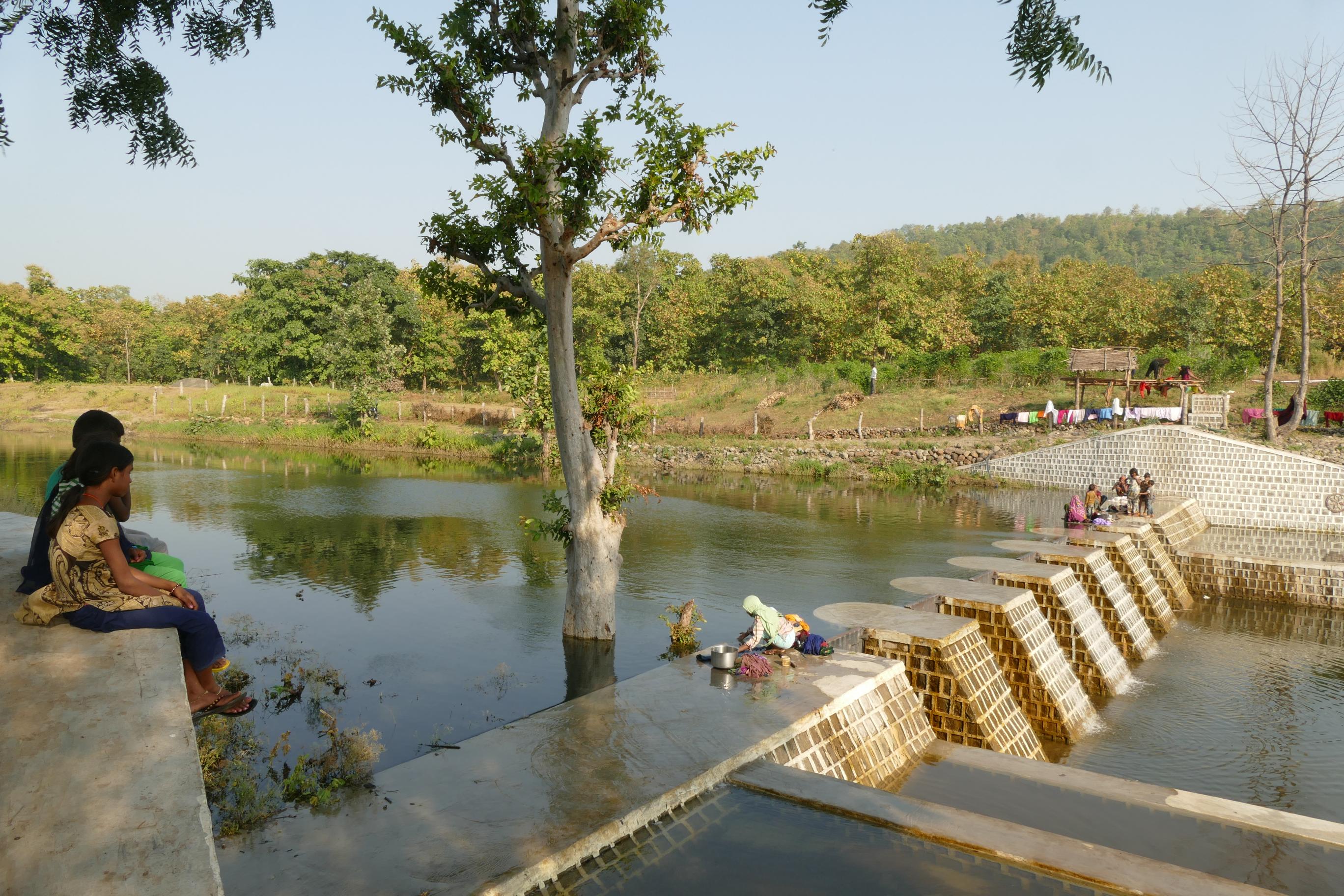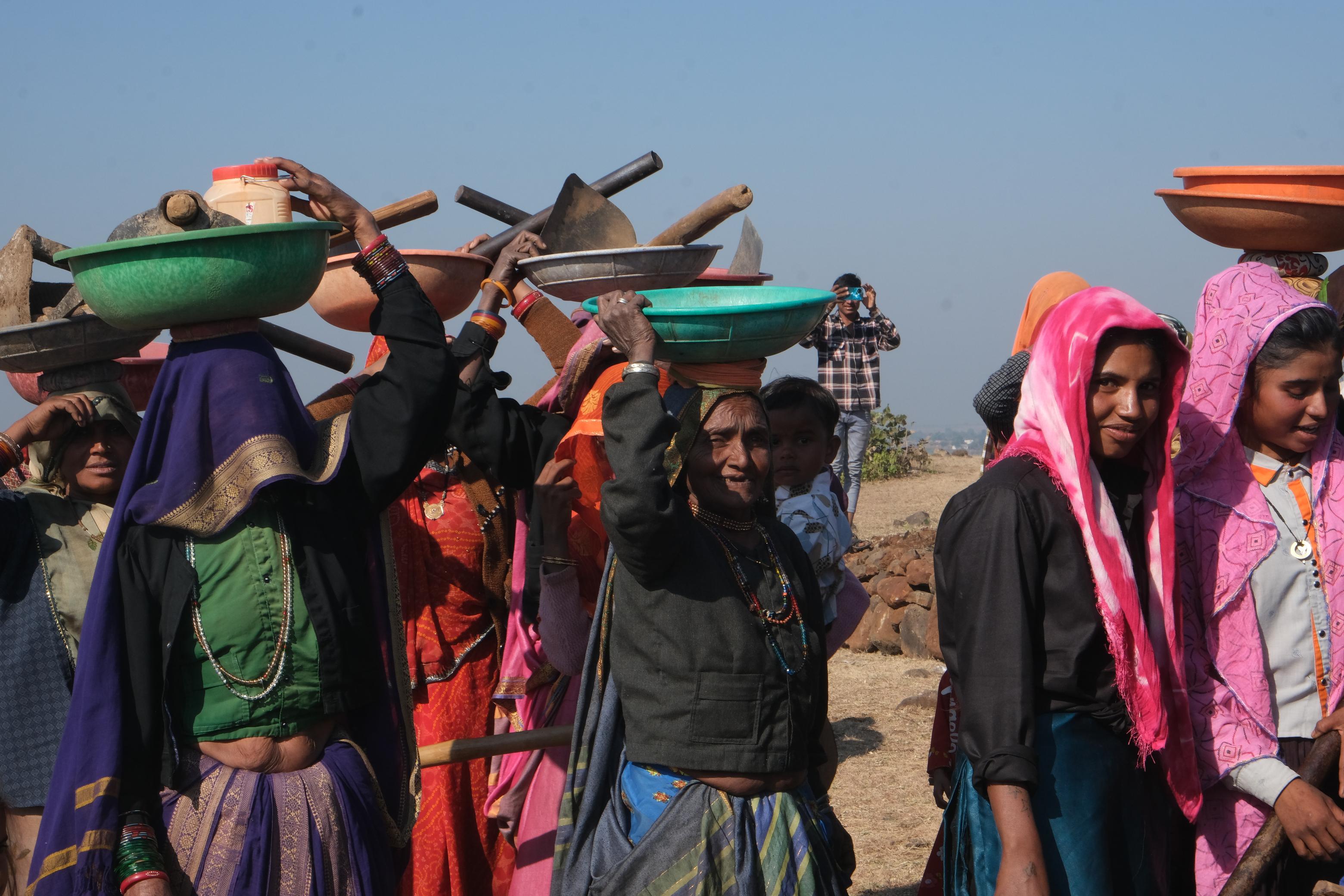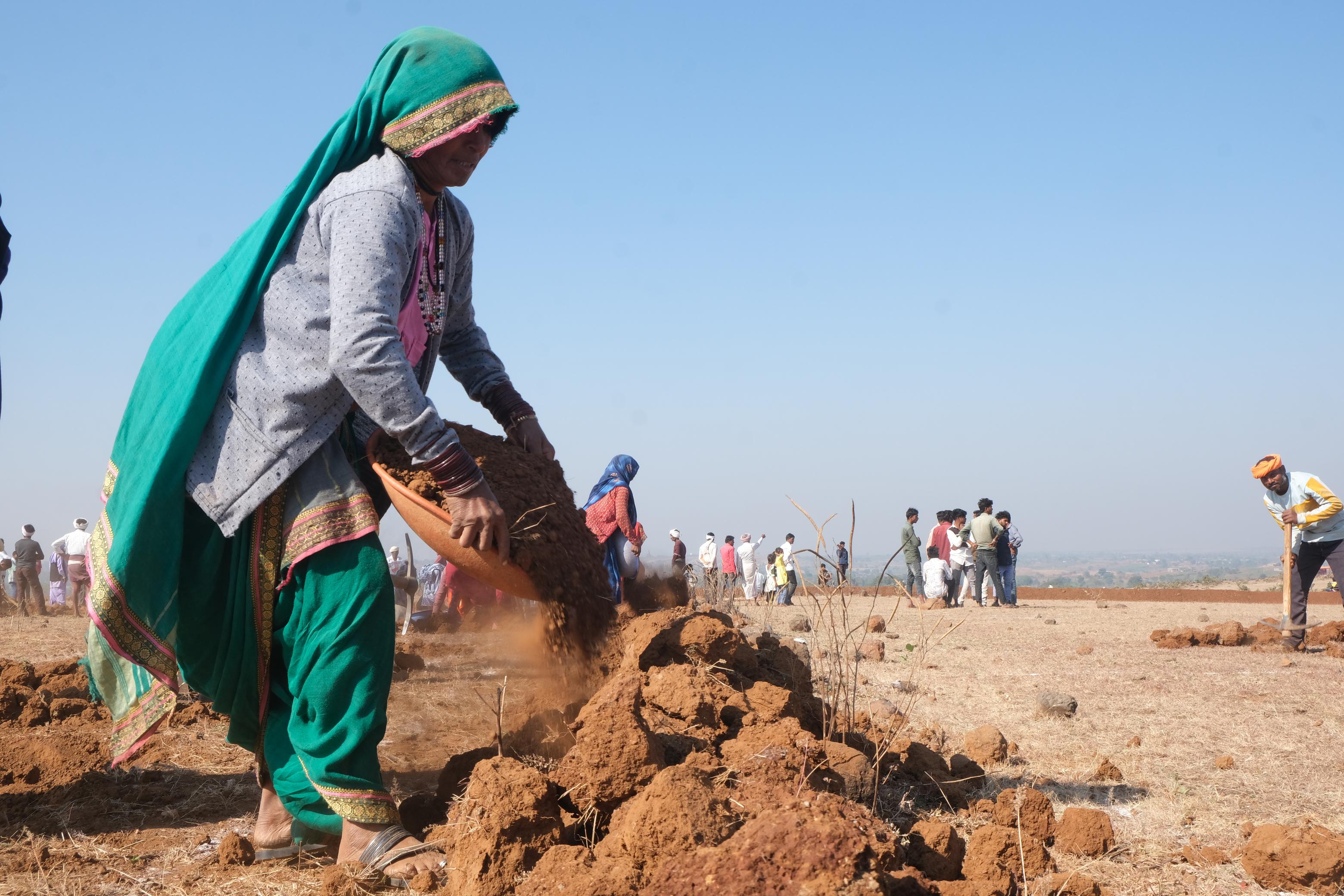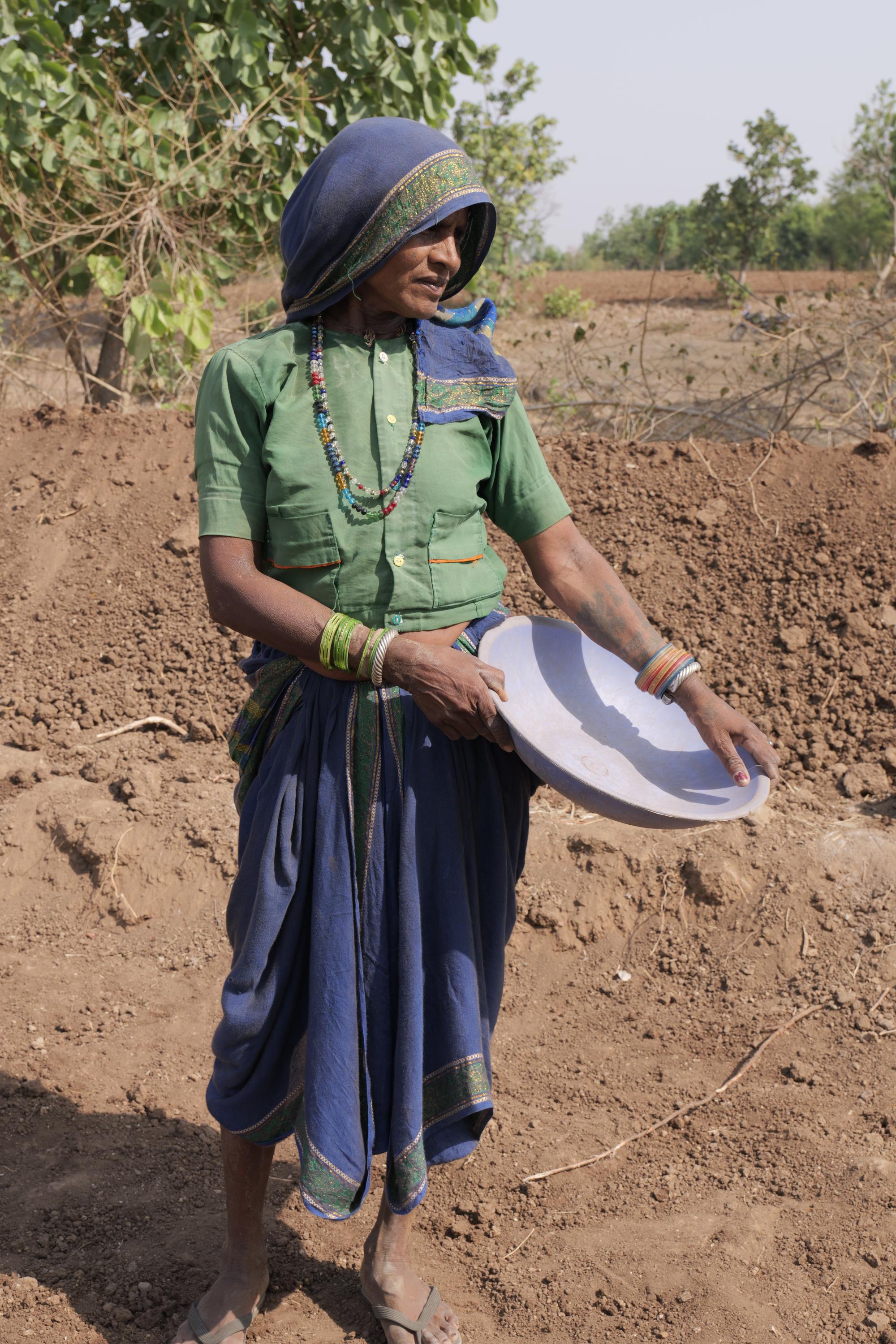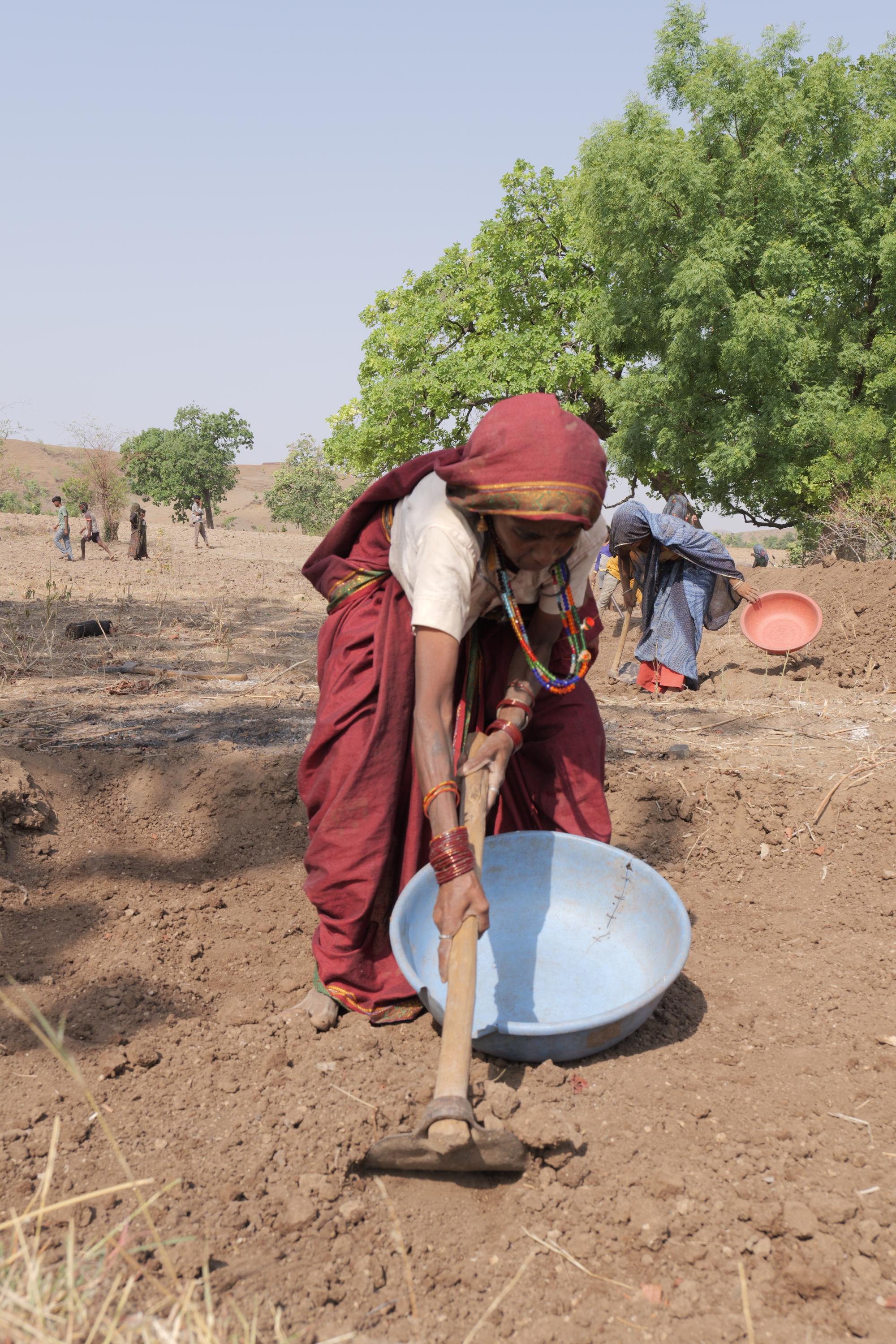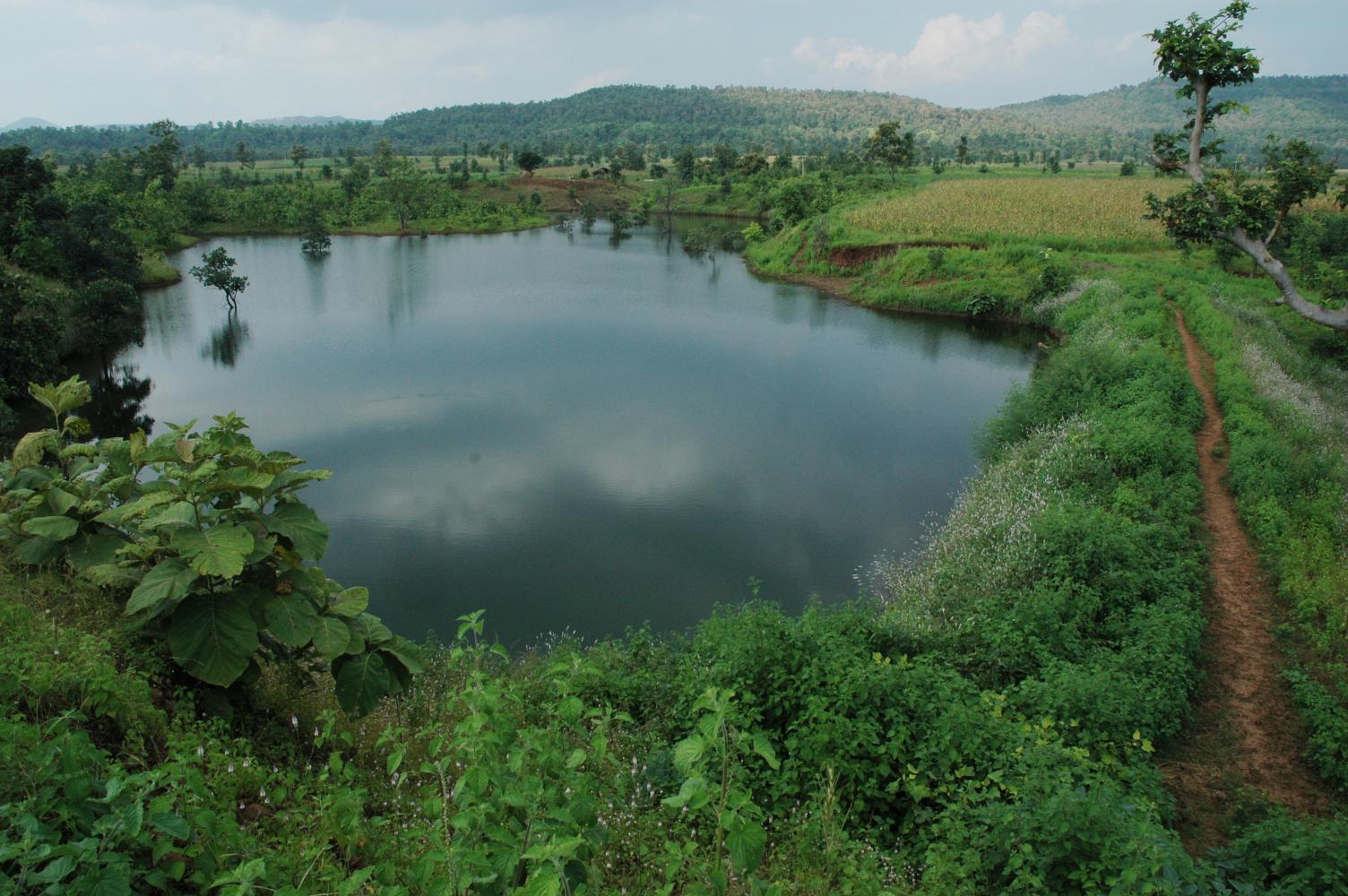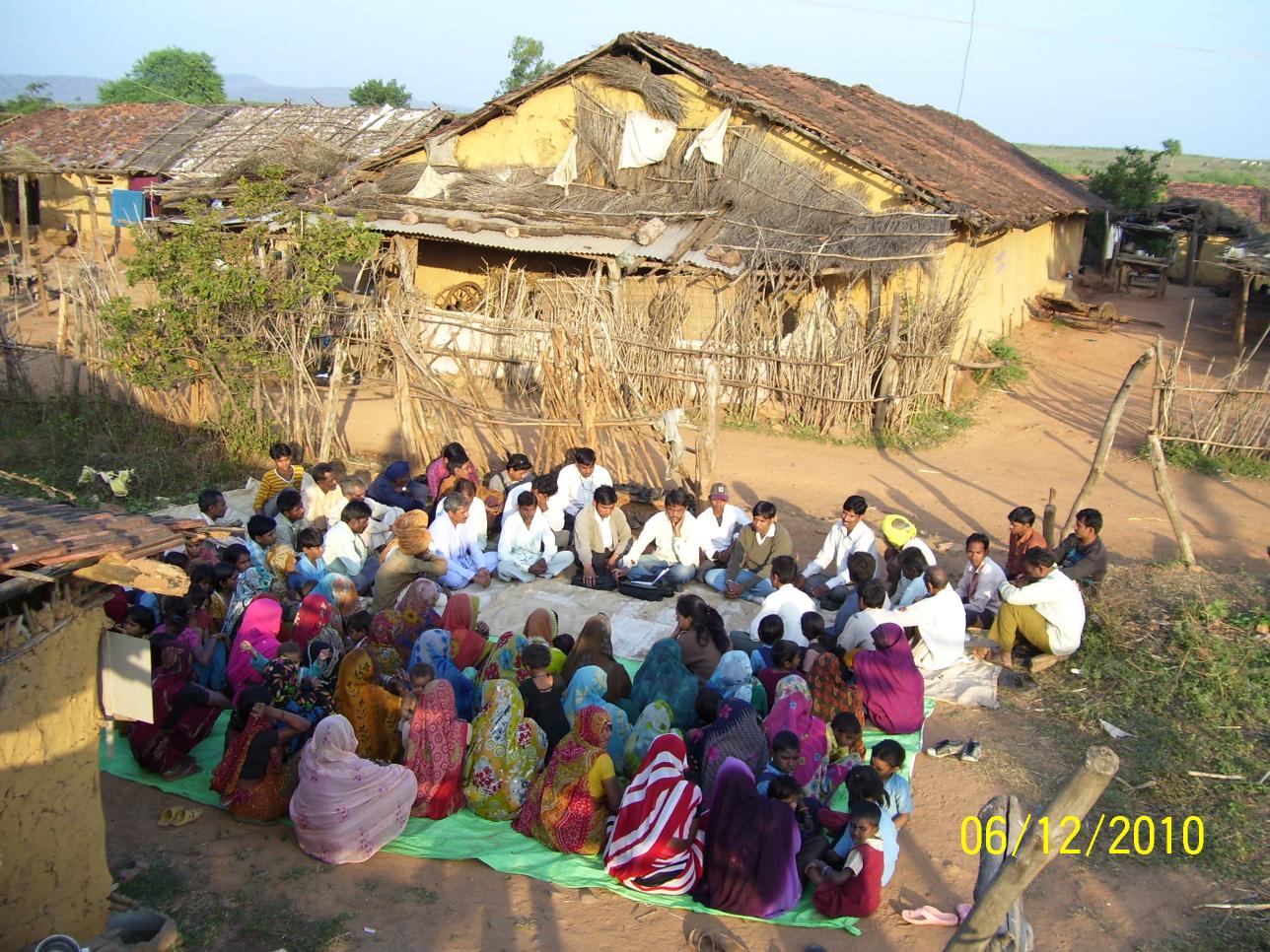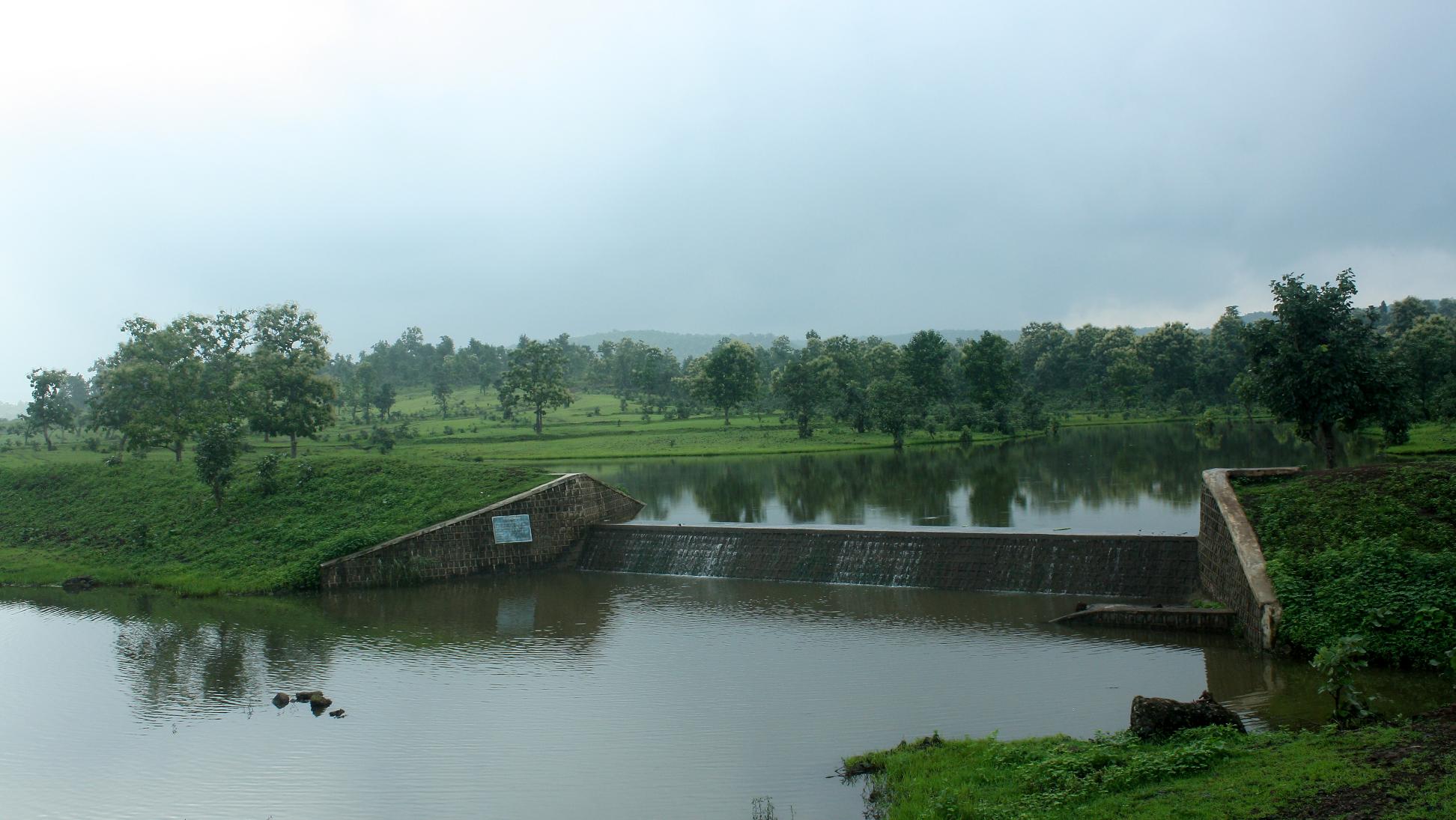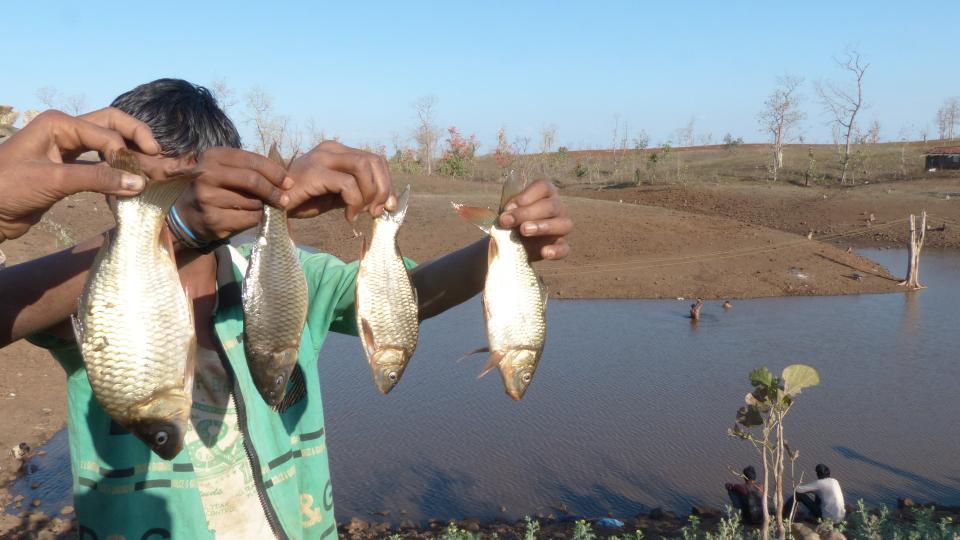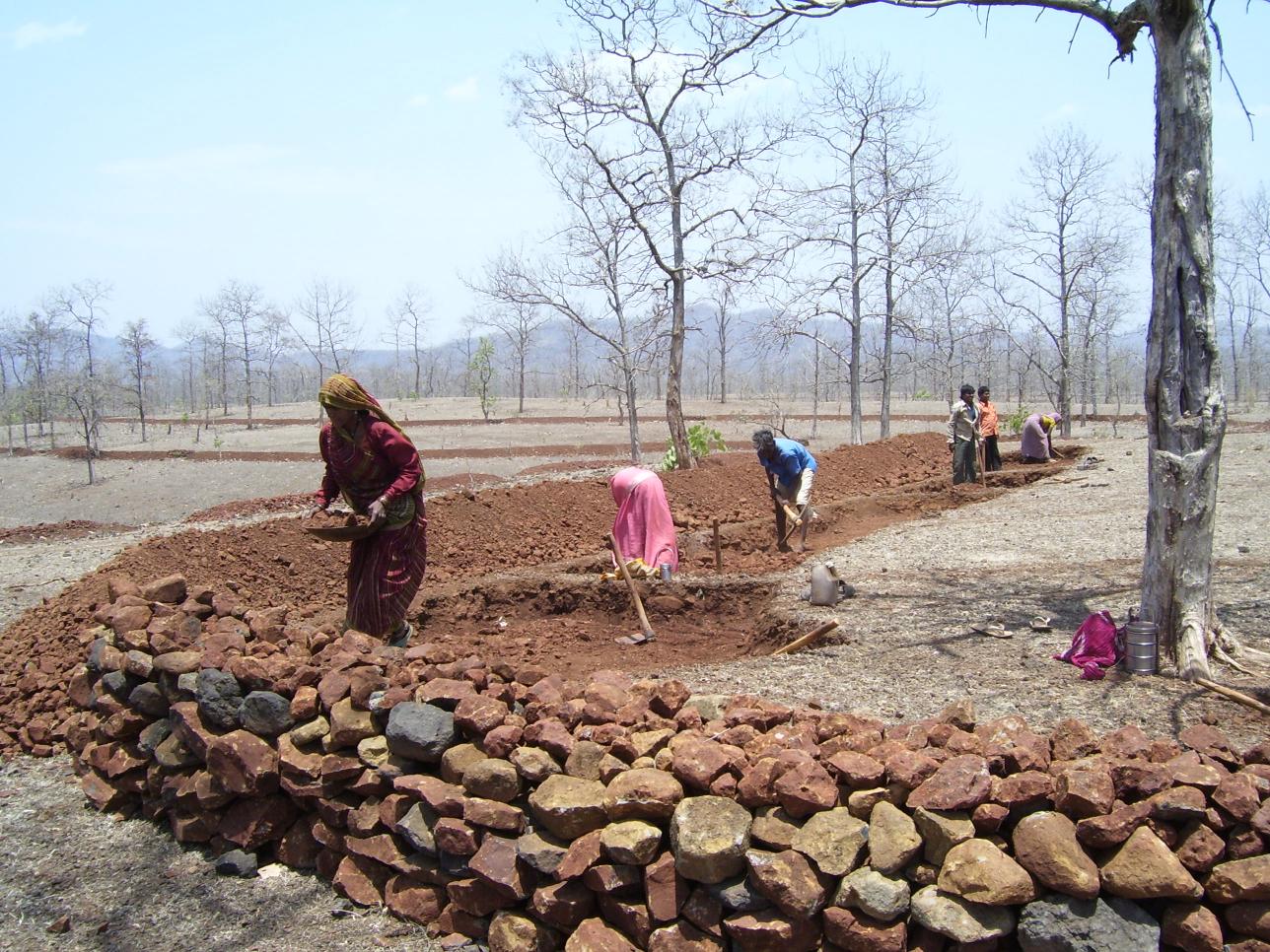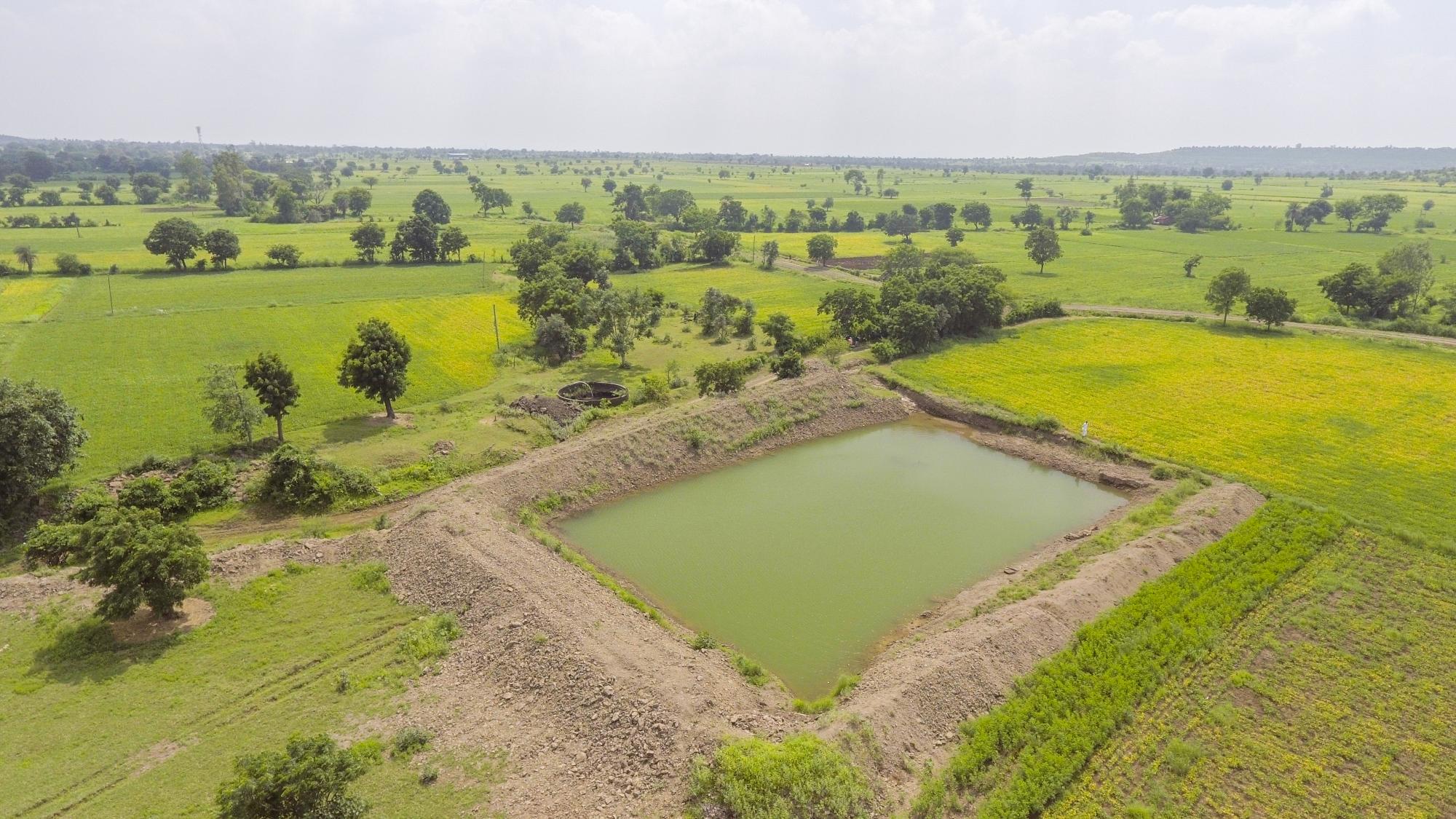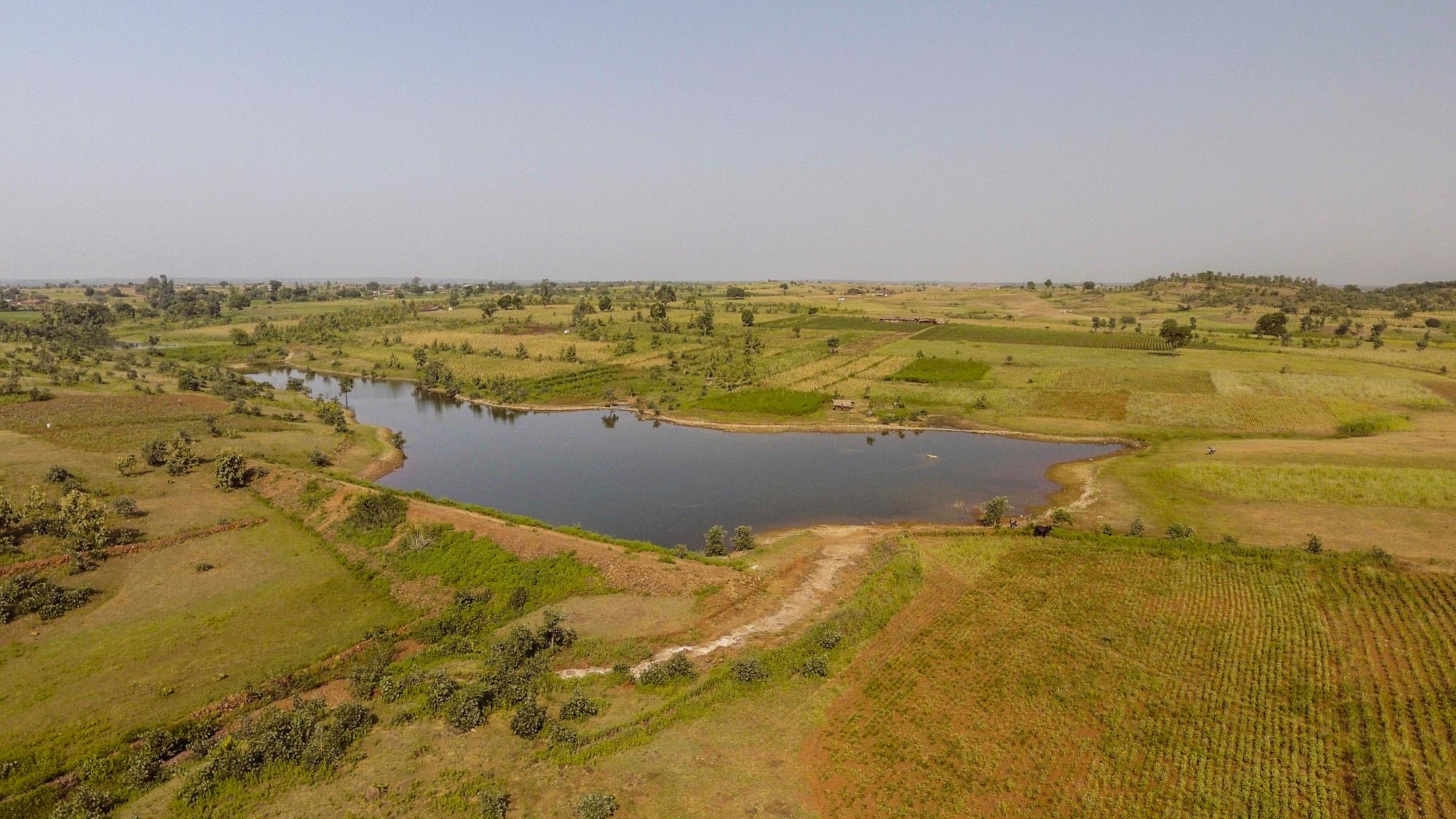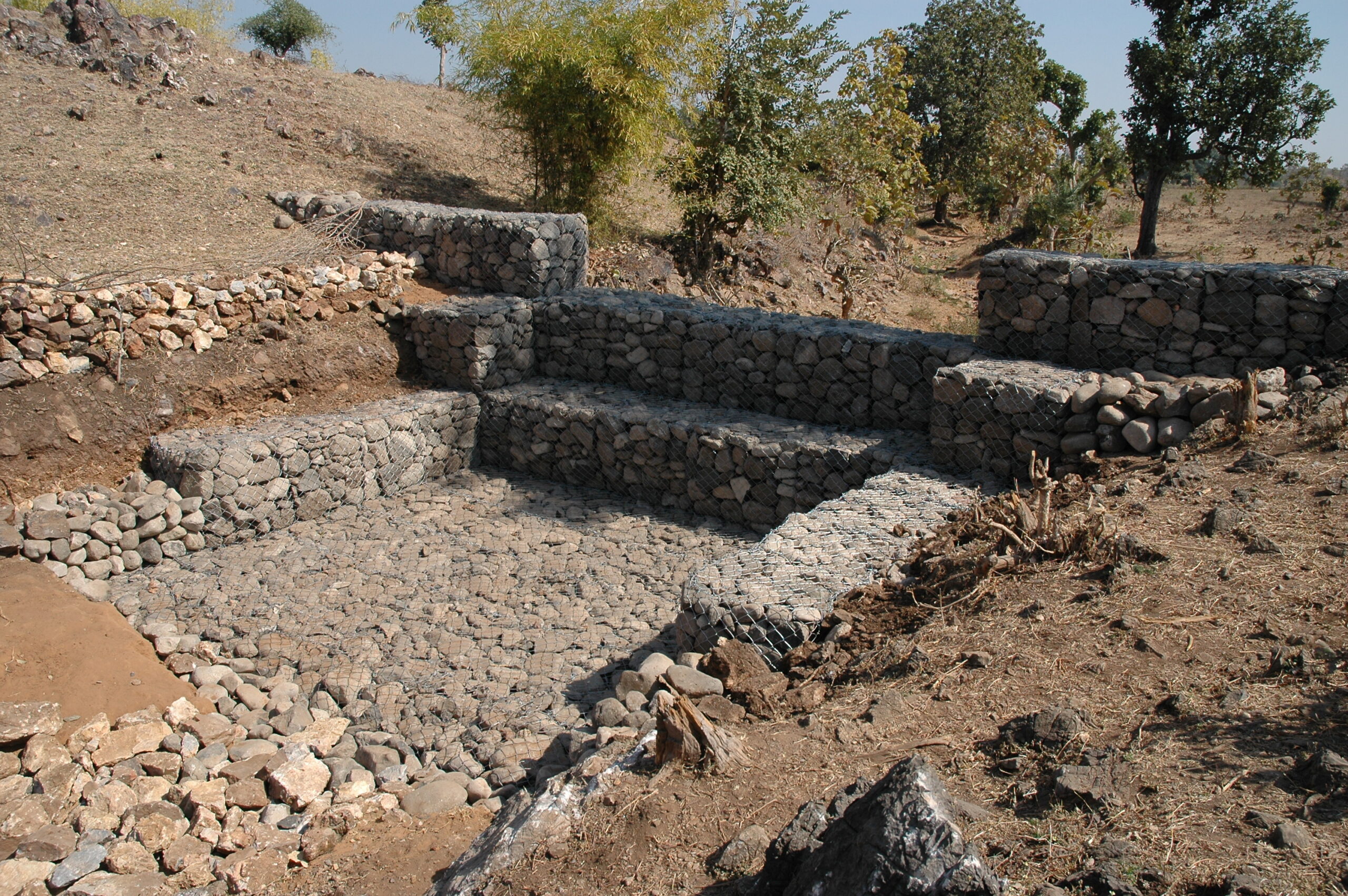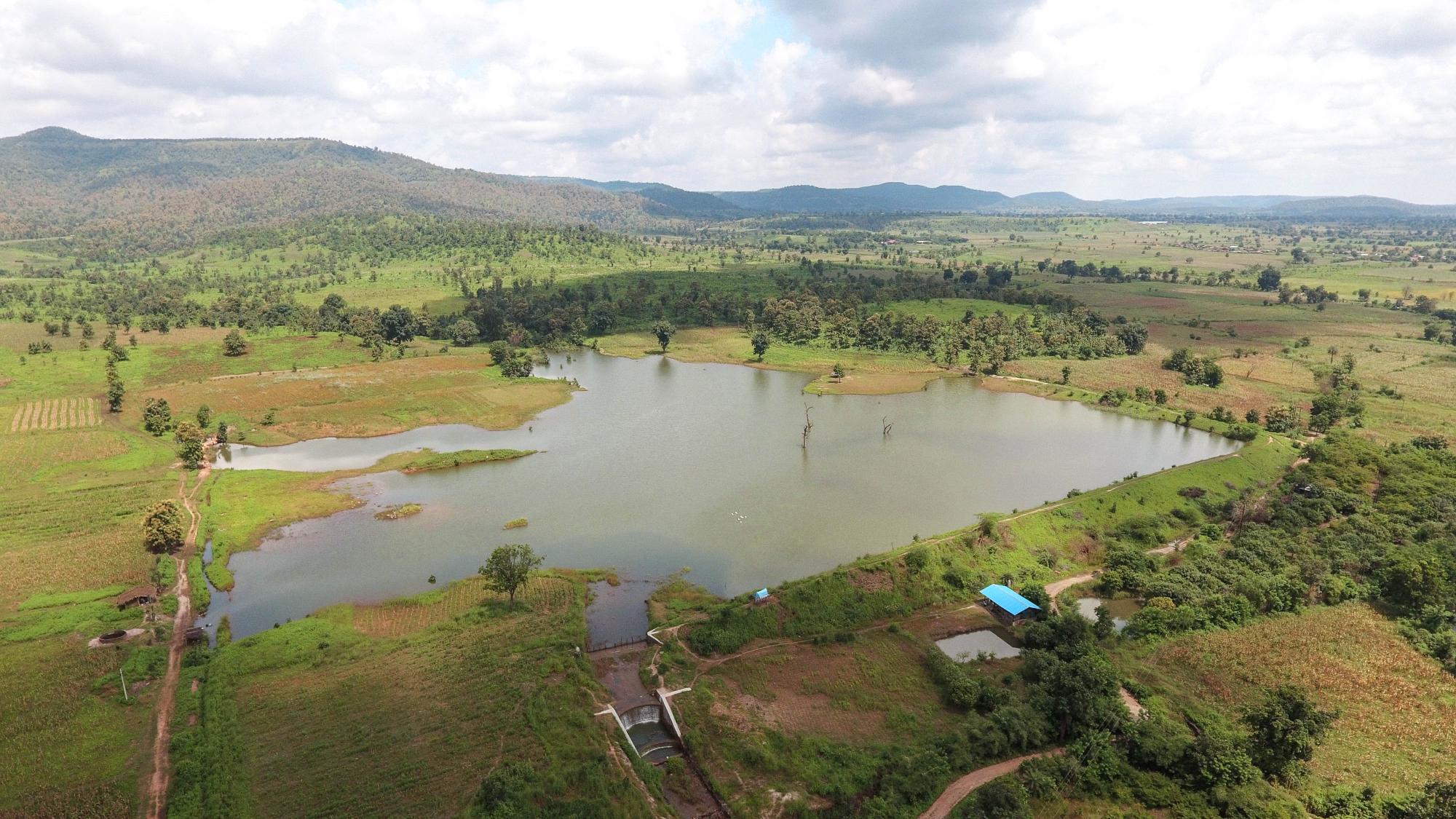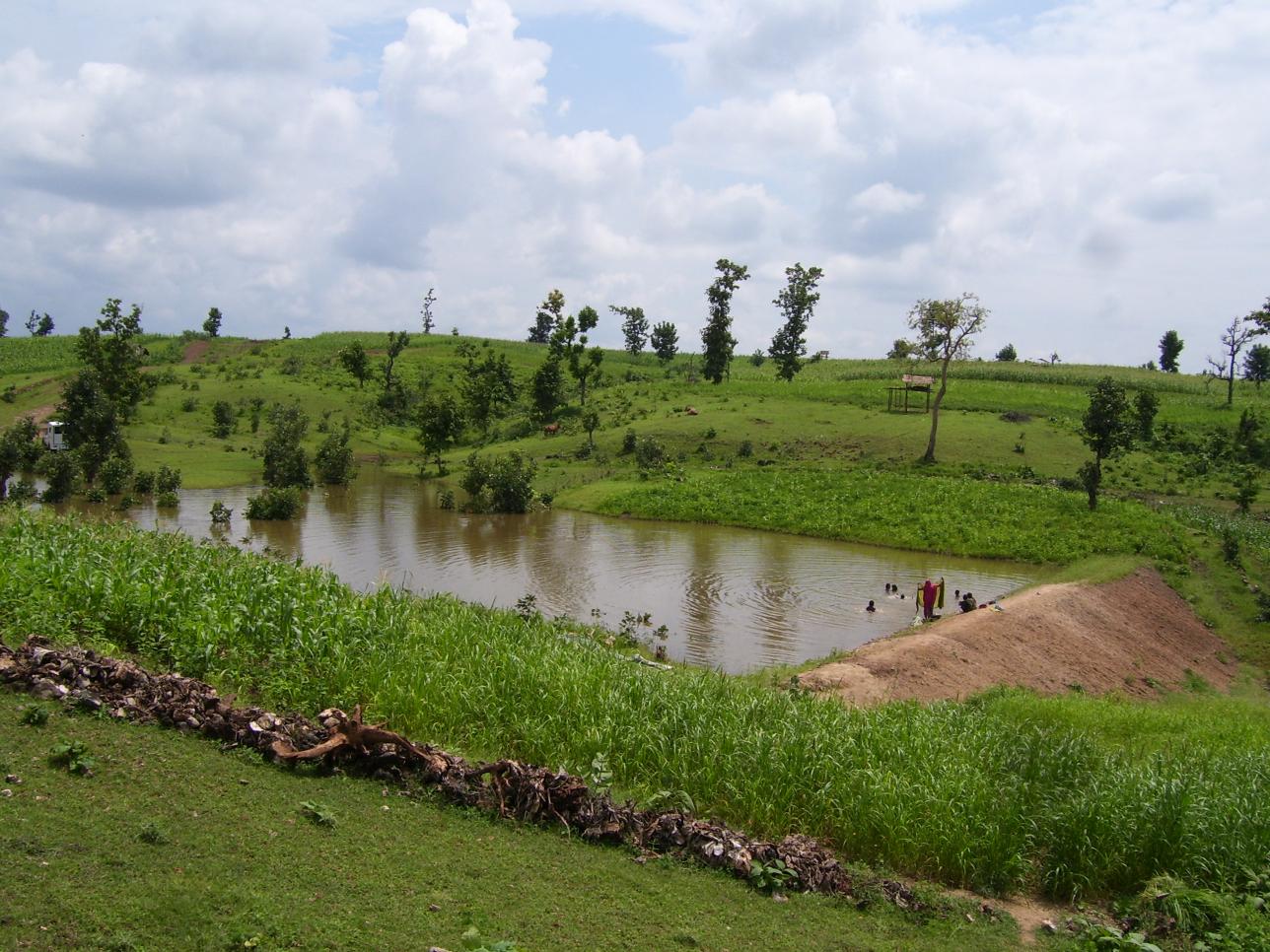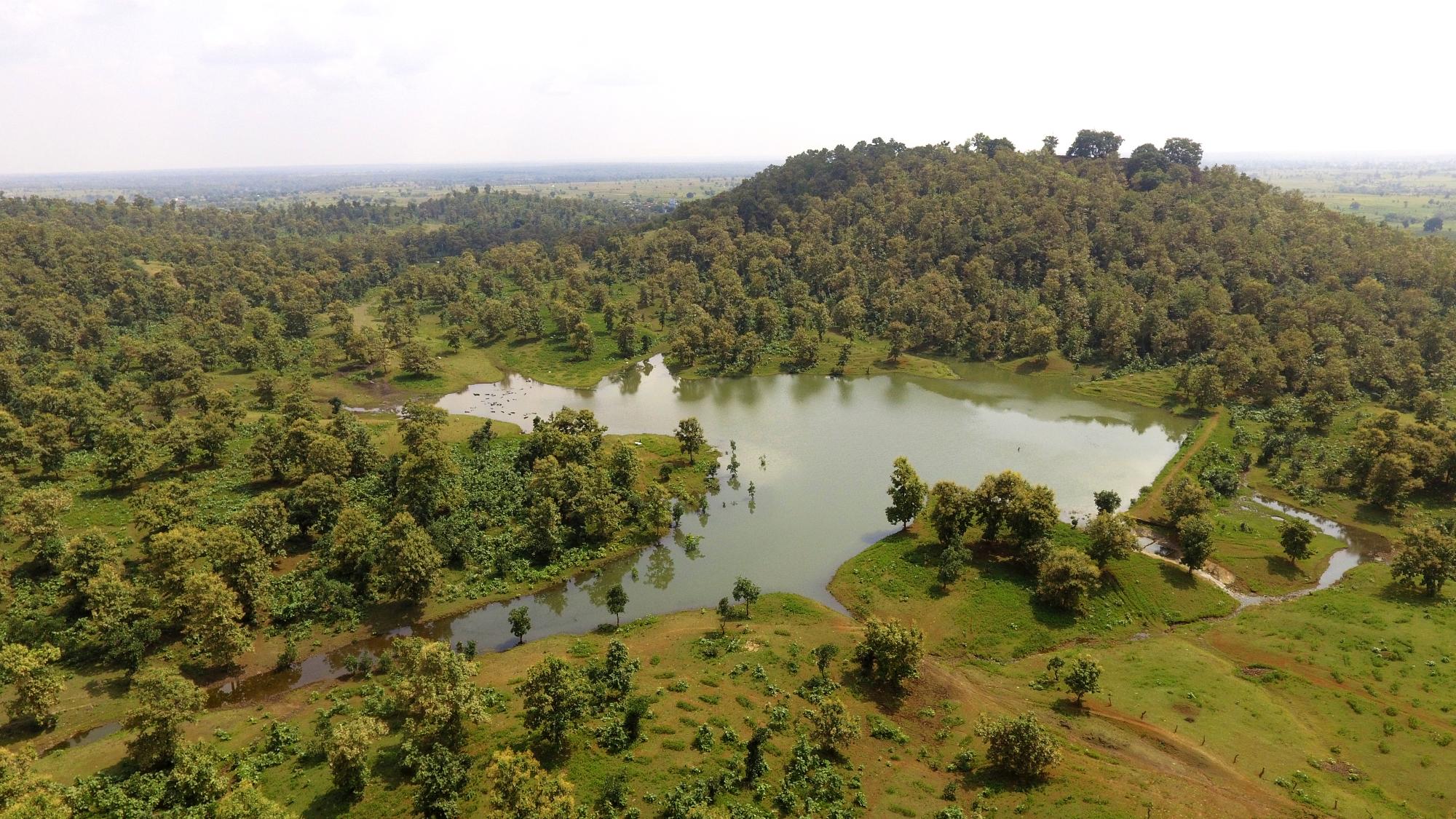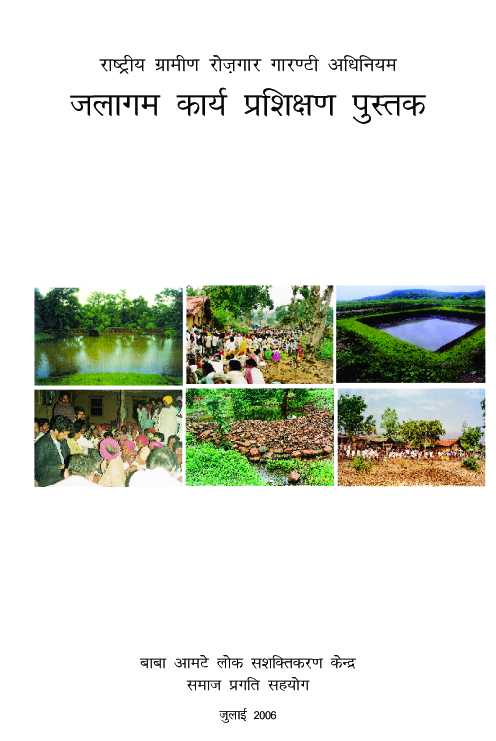
Watershed management is one of the major programmes of SPS. A significant impact of the work has been drought-proofing the Kharif crop. As in any typical dryland region, rainfall in our area is low, highly erratic, and characterised by long dry spells between rainy days. Water harvesting structures help farmers tide over this crisis by providing crucial life-saving, protective irrigation. We see the watershed programme as a vital public investment to incentivize private investments by even the poorest farmers on their own lands.
The approach adopted by SPS challenges conventional wisdom by recognizing that watershed development goes beyond rainwater harvesting; it also involves equitable sharing and collective, sustainable management. In instances where dams are constructed, written agreements are established concerning water sharing, pumping hours, irrigation sequence, cropping patterns, and watering intensities. Even landless households receive a fair share of the water. The emphasis on equity and transparency has often faced resistance from vested interests. In response, SPS has consistently adopted a non-violent, collective satyagraha approach, always directed towards building common ground with those in opposition.
The yield of Kharif crops, primarily rainfed, has experienced an increase ranging from 10–20%, while the yield of Rabi crops, predominantly irrigated, has shown a substantial rise of 60–70%. Collectively, the value of production for both Kharif and Rabi crops has doubled. The Benefit-Cost Ratio spans from 1.49 to 2.06, and the Internal Rate of Return on investments ranges from 30% to 49%.
Notably, there has been an observed 80% reduction in distress migration during the ongoing years of watershed implementation. The expansion of irrigated areas and increased crop productivity have led to high labour absorption in agriculture, persisting even after the closure of the watershed program. This "sedimented employment" contributes to a long-term reduction in external migration from the area. Numerous tribal farmers, who traditionally cultivated a single rainfed crop, are now cultivating 2–3 crops. Many have returned home after years to reclaim the land they had almost given up for good.
Participatory Irrigation Management (PIM)
Alongside the Watershed Development Programme, SPS has also developed the concept of Participatory Irrigation Management (PIM) — recognised all over the world as a tool for improving irrigation management and the long-term sustainability of the system. The major goal is to address the "last mile connectivity" in irrigation commands and make water accessible for tail-end women farmers.
National Water Policy and State Water Policy emphasize participatory irrigation management to be adopted as an essential strategy for enhancing benefits from all irrigation projects. The government has therefore ensured the involvement of all users in water distribution and canal maintenance at the grass-root level. The other major goal is the restructuring of irrigation systems to make water management efficient. A positive aspect of this scheme is that it provides financial assistance to the beneficiary families along with the creation of community assets.
- 1Kotimata Dam Project — Mahigaon village
- 2Paras Dam Project — villages near Punjapura
- 3Chandrakeshwer Dam Project — villages near Kantaphod, Dewas District, Madhya Pradesh
- 4Naduri Dam Project — near Dharni, District Amravati, Maharashtra
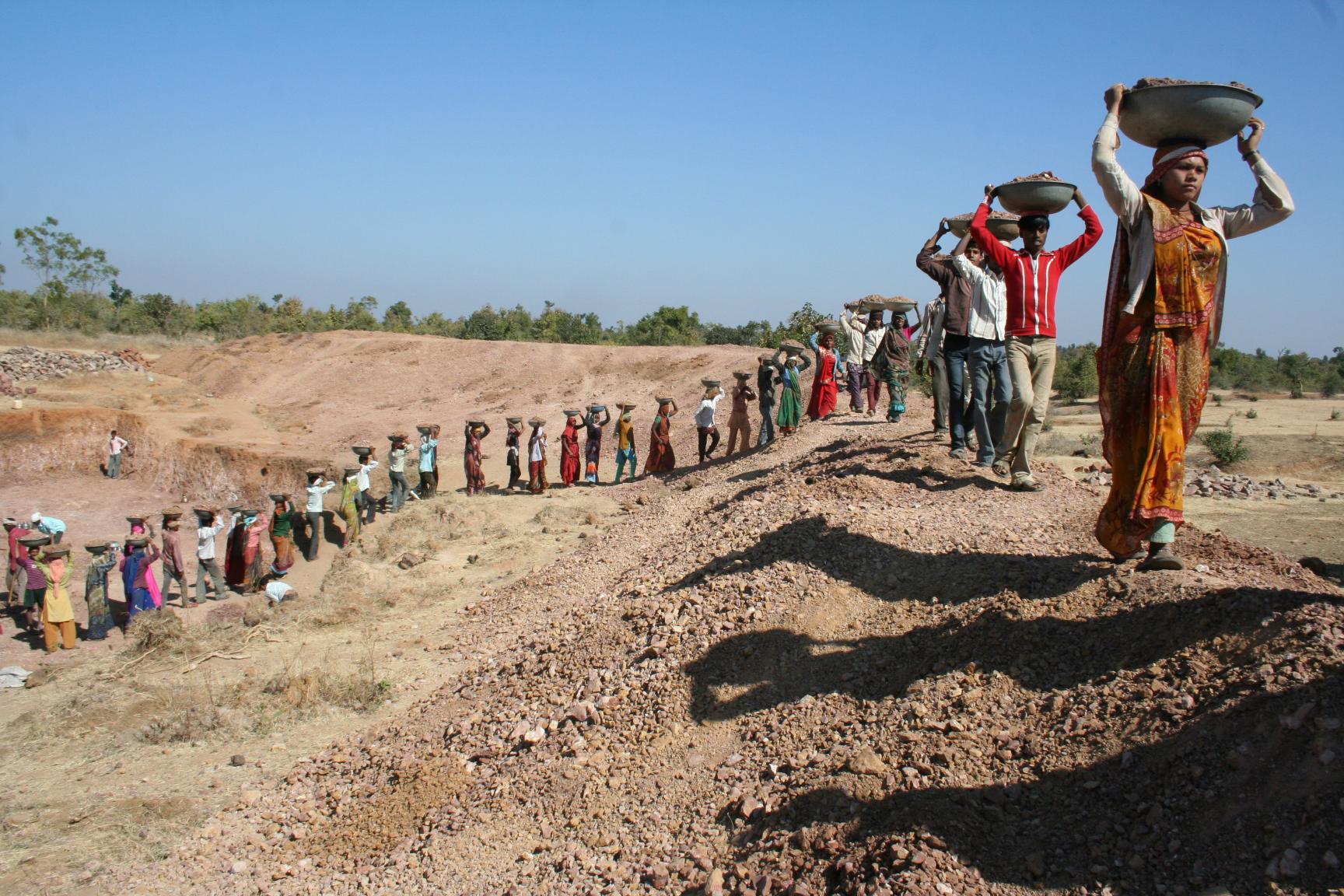
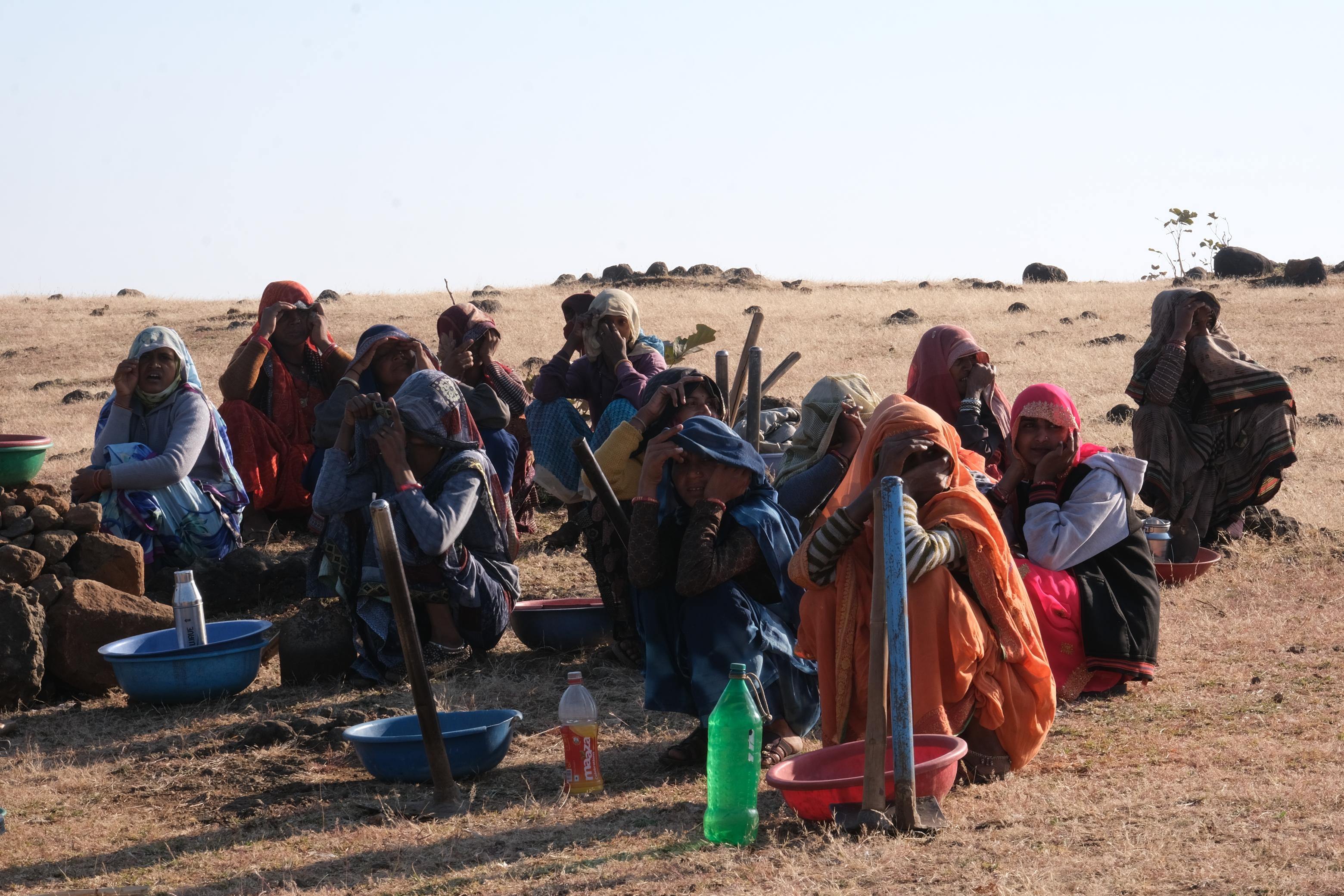
The Mahatma Gandhi National Rural Employment Guarantee Act (MGNREGA) promises the largest ever employment programme in human history. Entitlements under MGNREGA are demand-driven and constitutionally protected. Even so, there is a real danger that lack of awareness among intended beneficiaries and absence of implementation capability among Gram Panchayats (GPs, the chief implementing agency), will mean that the full potential of MGNREGA is not realised.
To meet this challenge, SPS set up the National Consortium of Civil Society Organisations (CSOs) for NREGA in 2007. The Consortium includes 51 CSO partners in 59 blocks of 44 most backward districts across 11 states of India, working with about 125,000 families to make MGNREGA a success. The SPS role is the technical and social empowerment of these partners.
The Consortium seeks to move beyond the more traditional civil society watchdog role to improving MGNREGA implementation in all its various dimensions. This, of course, incorporates the vigilance role but focuses on an integrated approach to planning, implementation and social audit of MGNREGA works.
A key element of the Consortium's strategy is to facilitate partnerships between grass-roots CSOs and GPs. Consortium partners have helped GPs develop action plans worth Rs.1.25 billion. The Consortium's work on the ground has led to very significant improvements in awareness of entitlements among workers and quality of assets created under MGNREGA.
The first Annual Report of the Consortium, released by the Union Minister for Rural Development in 2009, helped shape several initiatives in the policy space for MGNREGA reform.
SPS Core Team member Pramathesh Ambasta is National Coordinator of the MGNREGA Consortium.
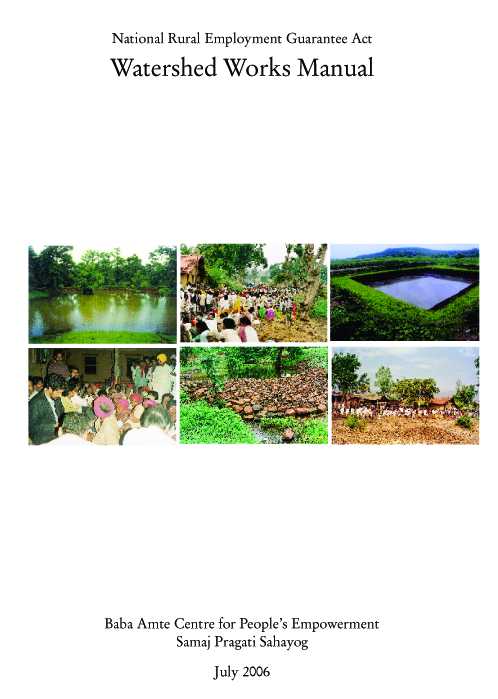
At the request of the Union Ministry of Rural Development (MoRD), SPS has prepared watershed works manuals in the MGNREGA context (300 pages+ in both English and Hindi). The Governments of Chhattisgarh, Bihar and Himachal Pradesh have distributed these manuals to all their Gram Panchayats and concerned officers. We have converted each of the 16 chapters of these manuals into stand-alone booklets.
We have also made 5 training films (in both Hindi and English) based on these manuals. One of the films "Earthen Dams" won the Magna Mater Award at the 25th International Agrofilm Festival in Slovakia in October 2008. This is the highest award given to the best film of the festival across all categories.
In addition, the film "Earthen Dams" was also nominated in the competitive section of Eko Films (34th International Film Festival on the Environment and Natural and Cultural Heritage of the Czech Republic), the film "Ridge Area Treatment" was nominated in the competitive section of CineEco (14th International Environmental Film Festival, Portugal) and the film "On Farm Interventions" was nominated in the competitive section of Wildlife Vaasa 2008 (International Nature Film Festival, Finland).
The Ministry of Rural Development, Government of India also asked us to make a film on MGNREGA.
The 56-minute film NREGA Reforms: Building Rural India (made in both Hindi and English), traces the historical roots of the employment guarantee and captures myriad voices of the people of India's remote rural hinterlands who speak of the distress that led to the enactment of NREGA, the problems facing the implementation of the program and their efforts to make it a success on the ground.
All these films have been directed by SPS Core Team members Pinky Brahma Chaudhuri and Shobhit Jain, who are both graduates from the Film and Television Institute of India. They lead the SPS Films Division.