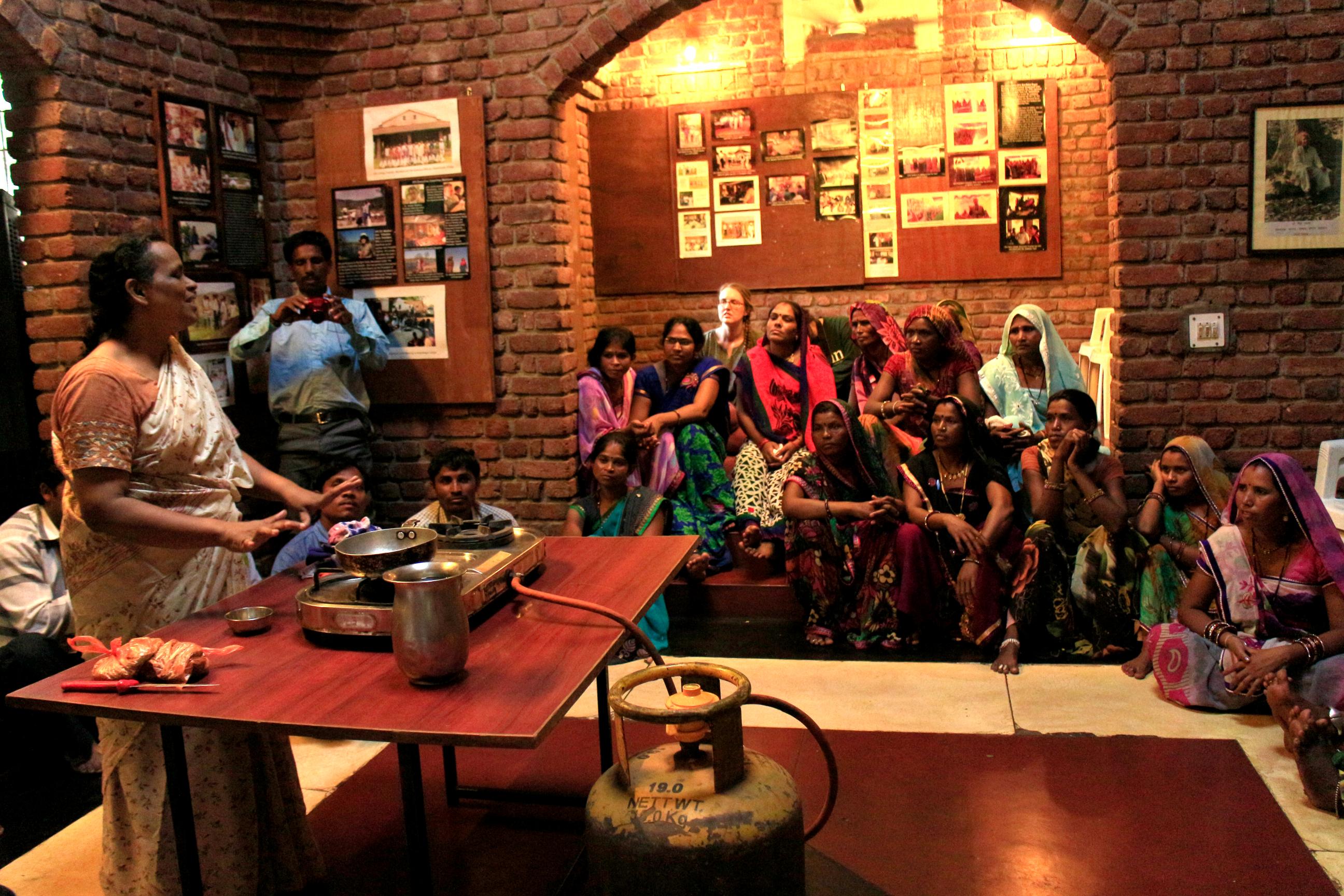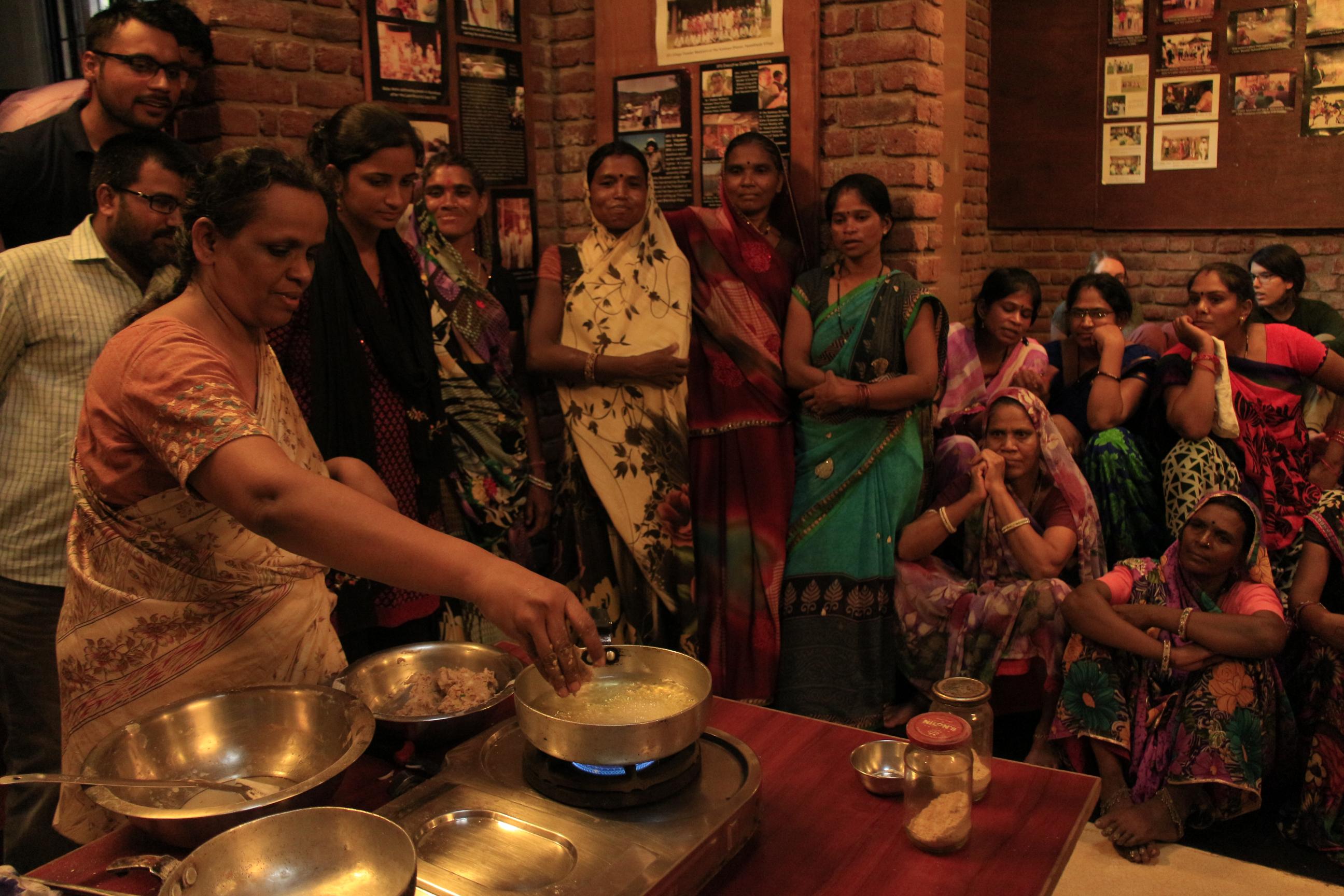
SPS began this programme under the name Right to Food (RTF). In 2013, the schemes related to RTF were enacted into law by the Government of India as the National Food Security Act, legally securing these rights for the most marginalised communities. In step with this landmark change, SPS expanded its activities — integrating health, nutrition, and community entitlements into a broader framework. Today, this programme is known as the Entitlement, Health & Nutrition Programme.
Right to Food (RTF): The Beginning
A key area of governance reform in India is the schemes related to the Right to Food (RTF), such as the Mid-Day Meal Scheme, the Integrated Child Development Services (ICDS) and the Public Distribution System. SPS worked across 129 villages and 3 towns to generate awareness, greater local participation and build pressure on the government to reform the way these schemes are run and increase the resources allotted to them.
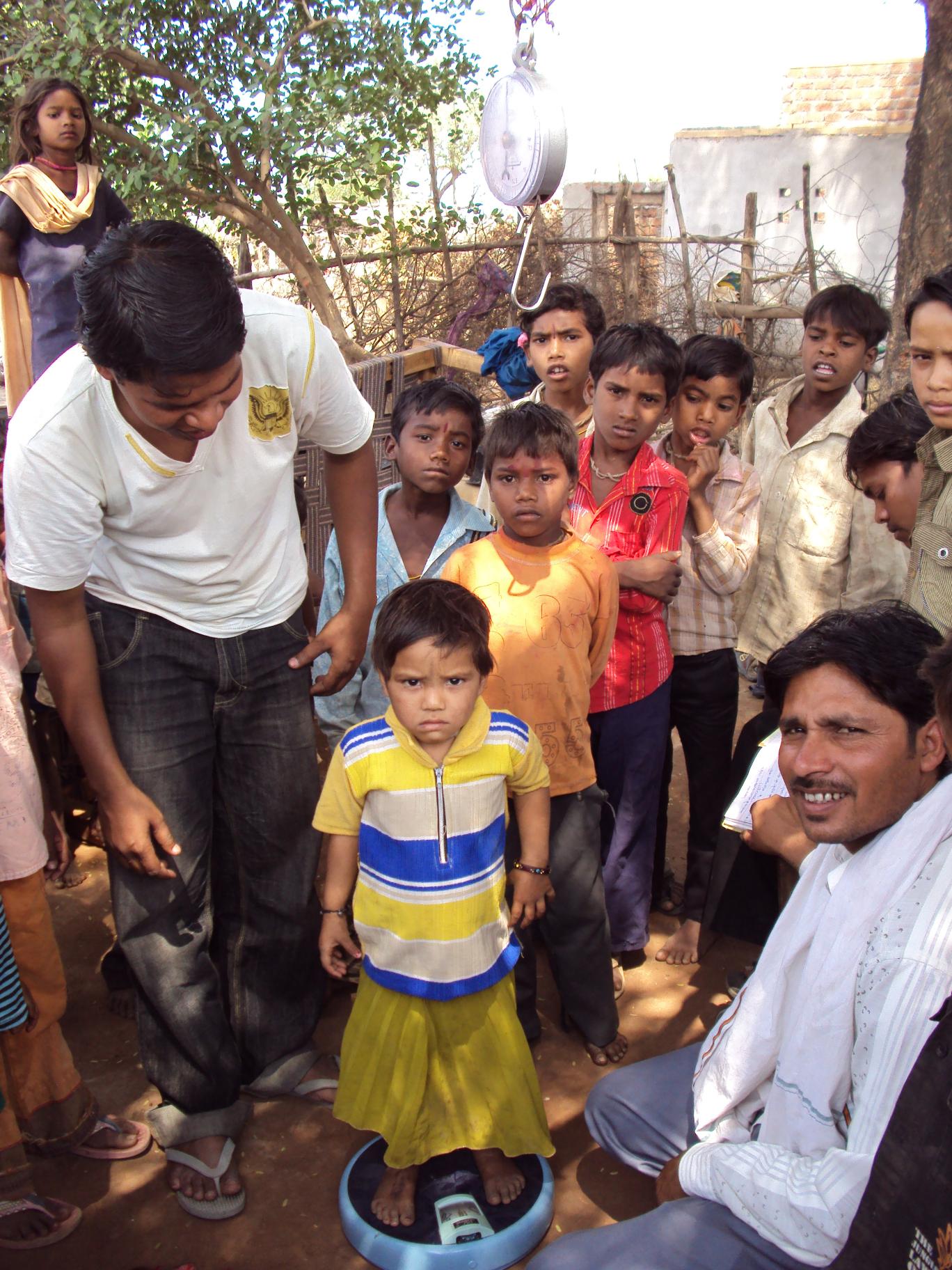
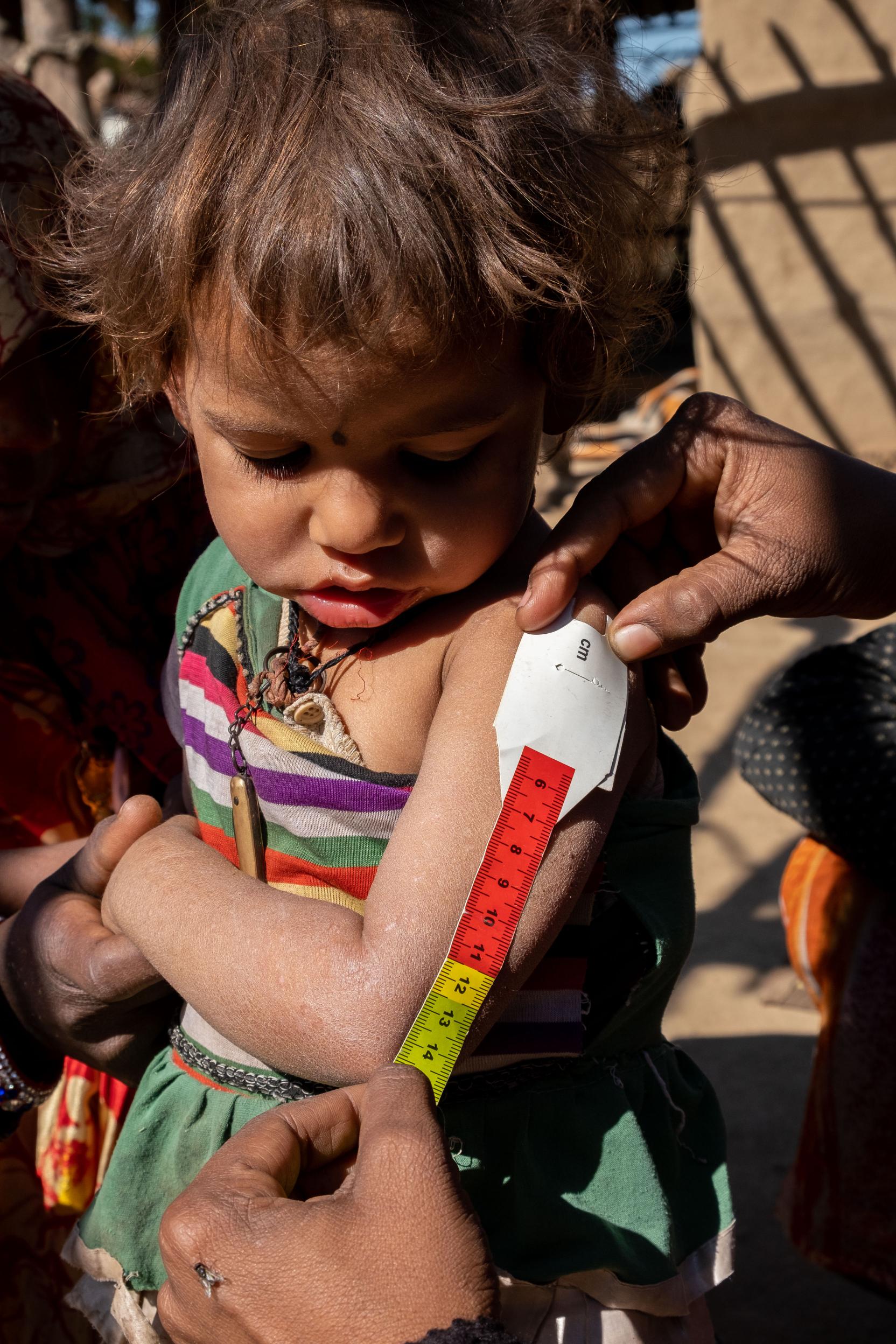
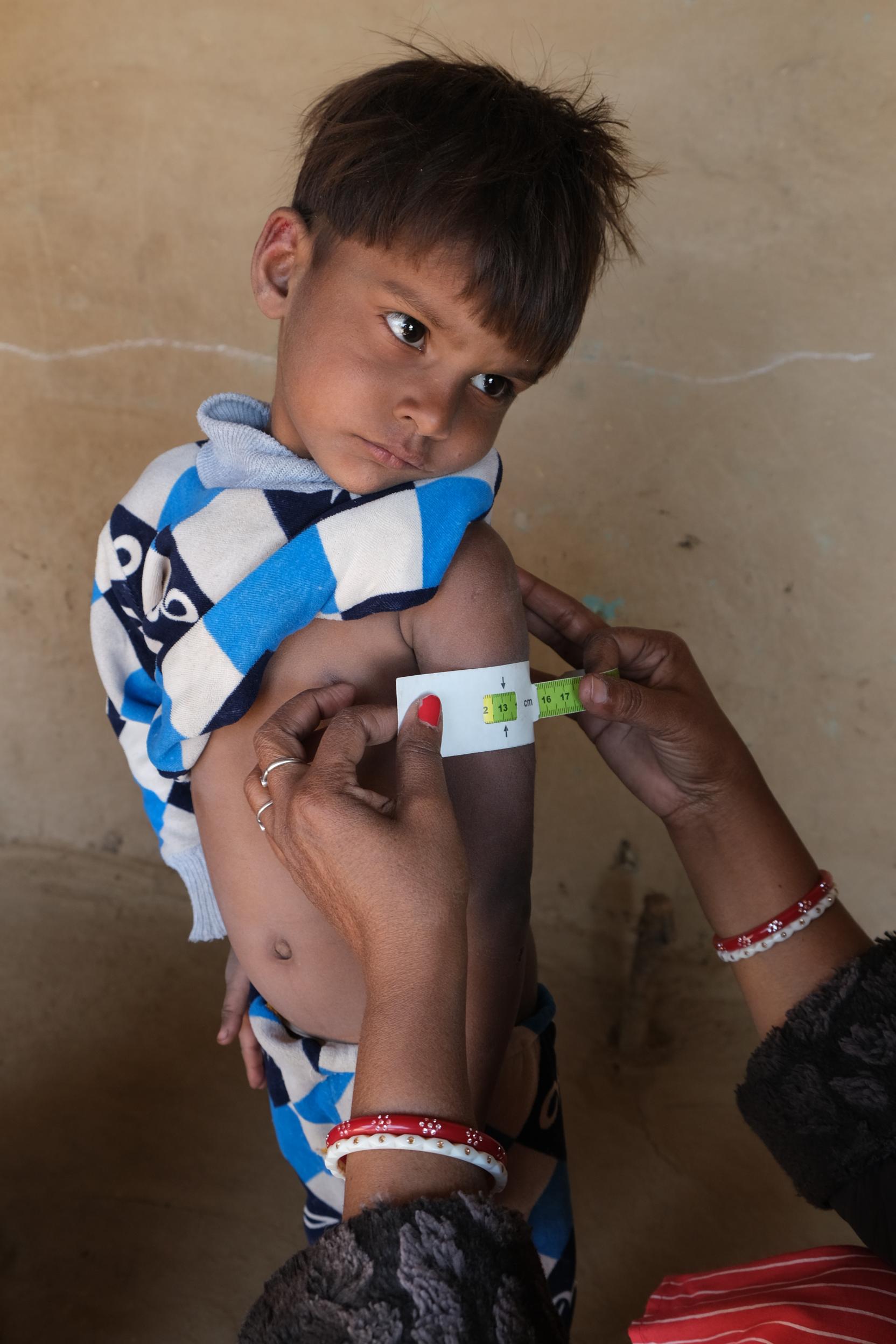
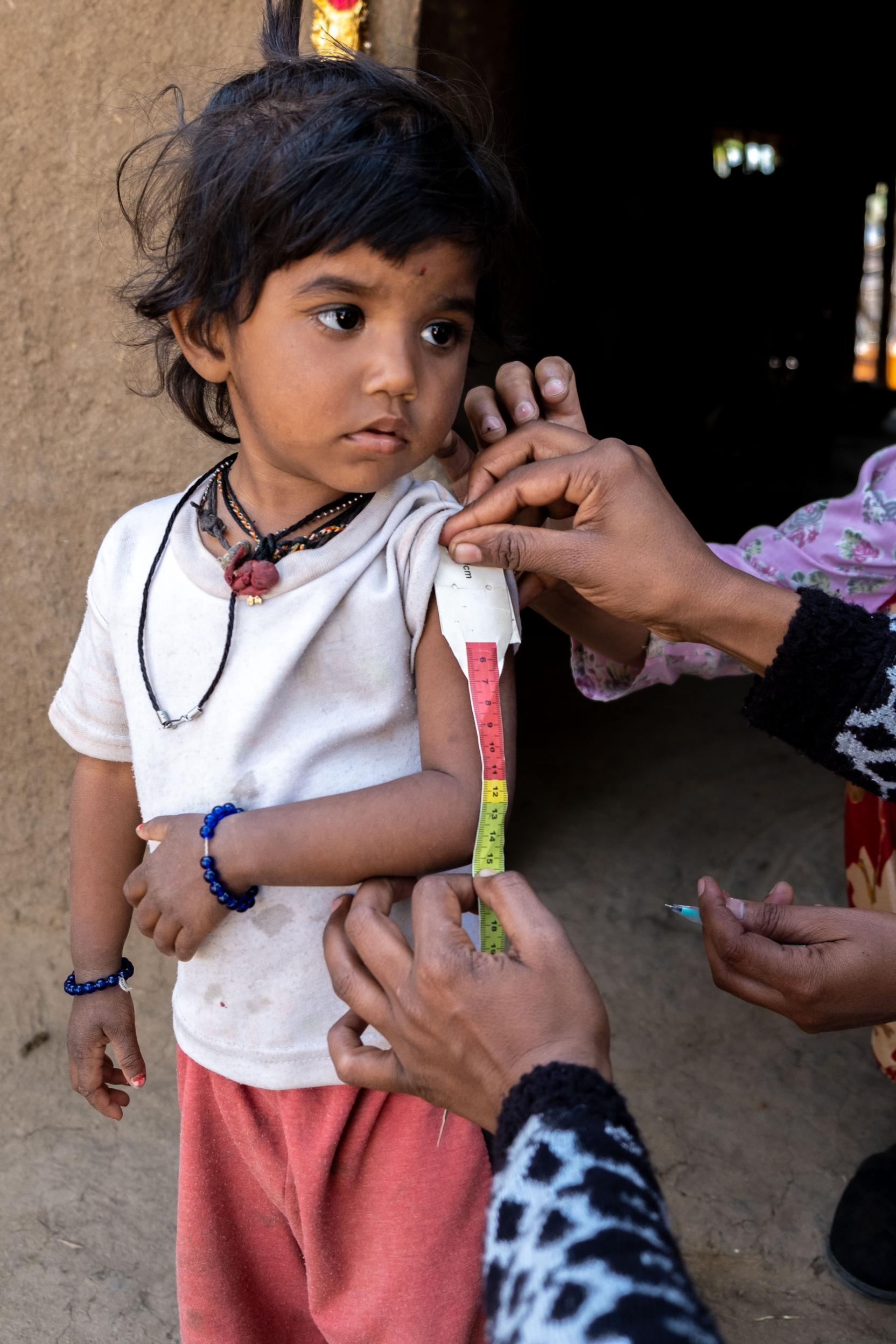
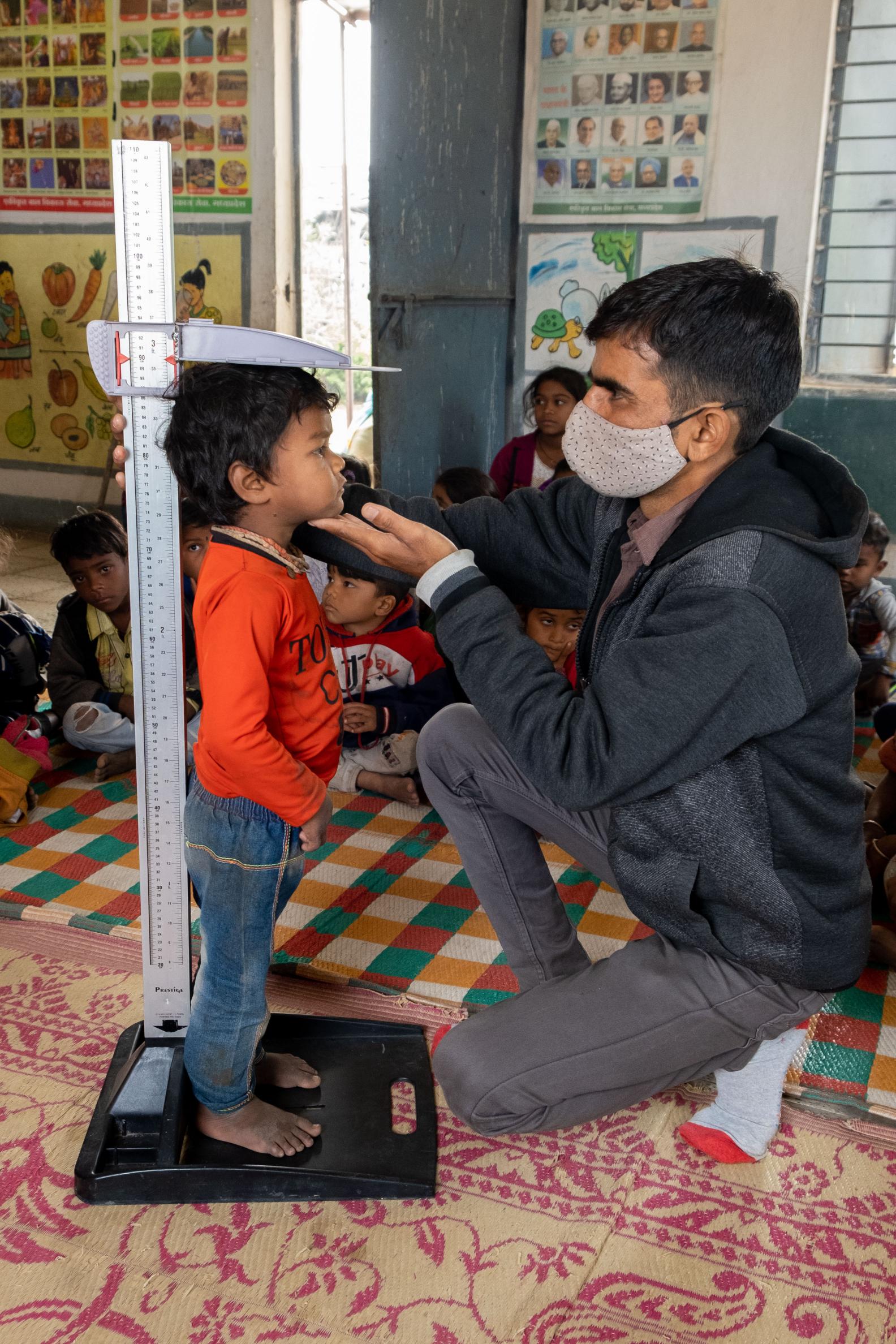
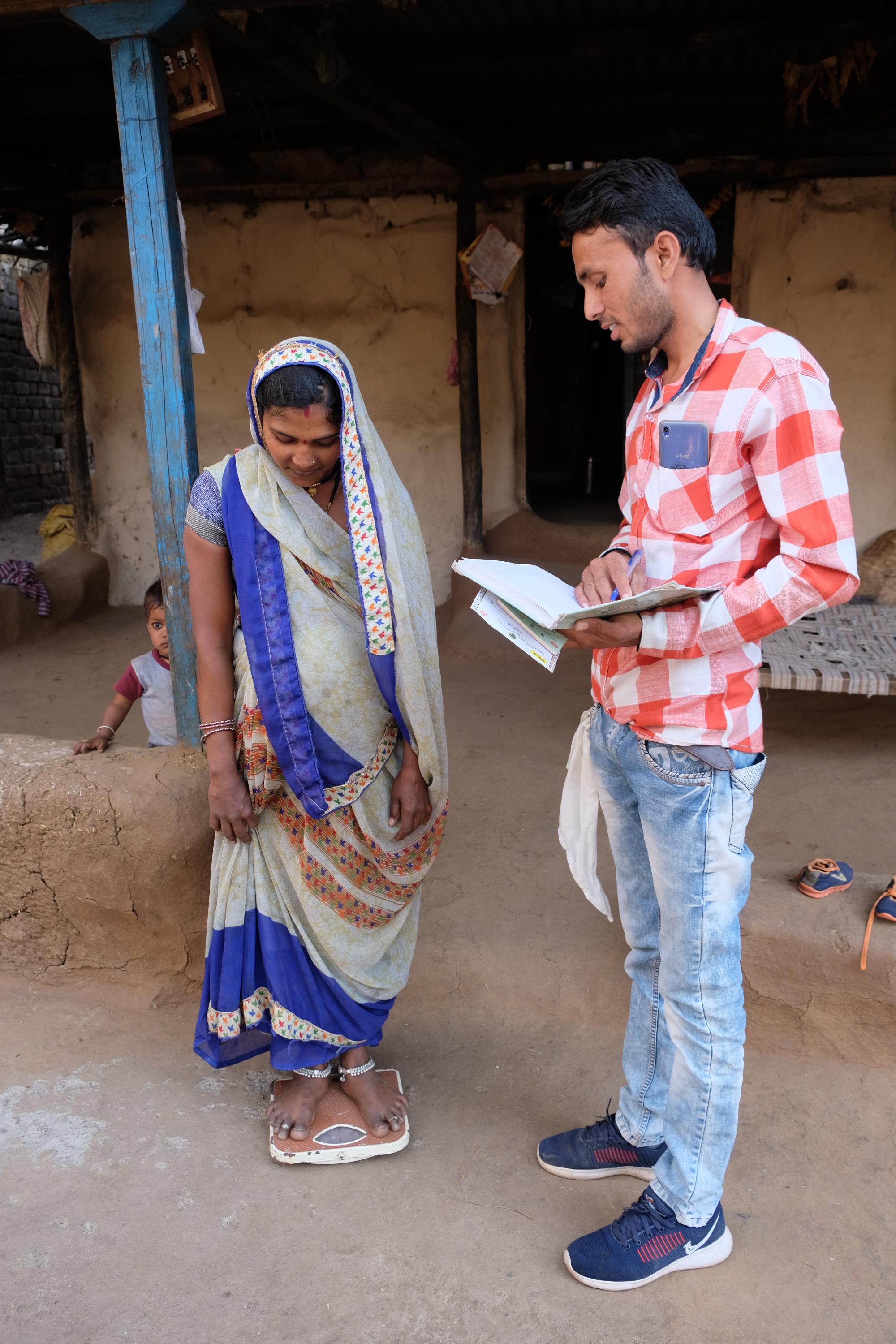
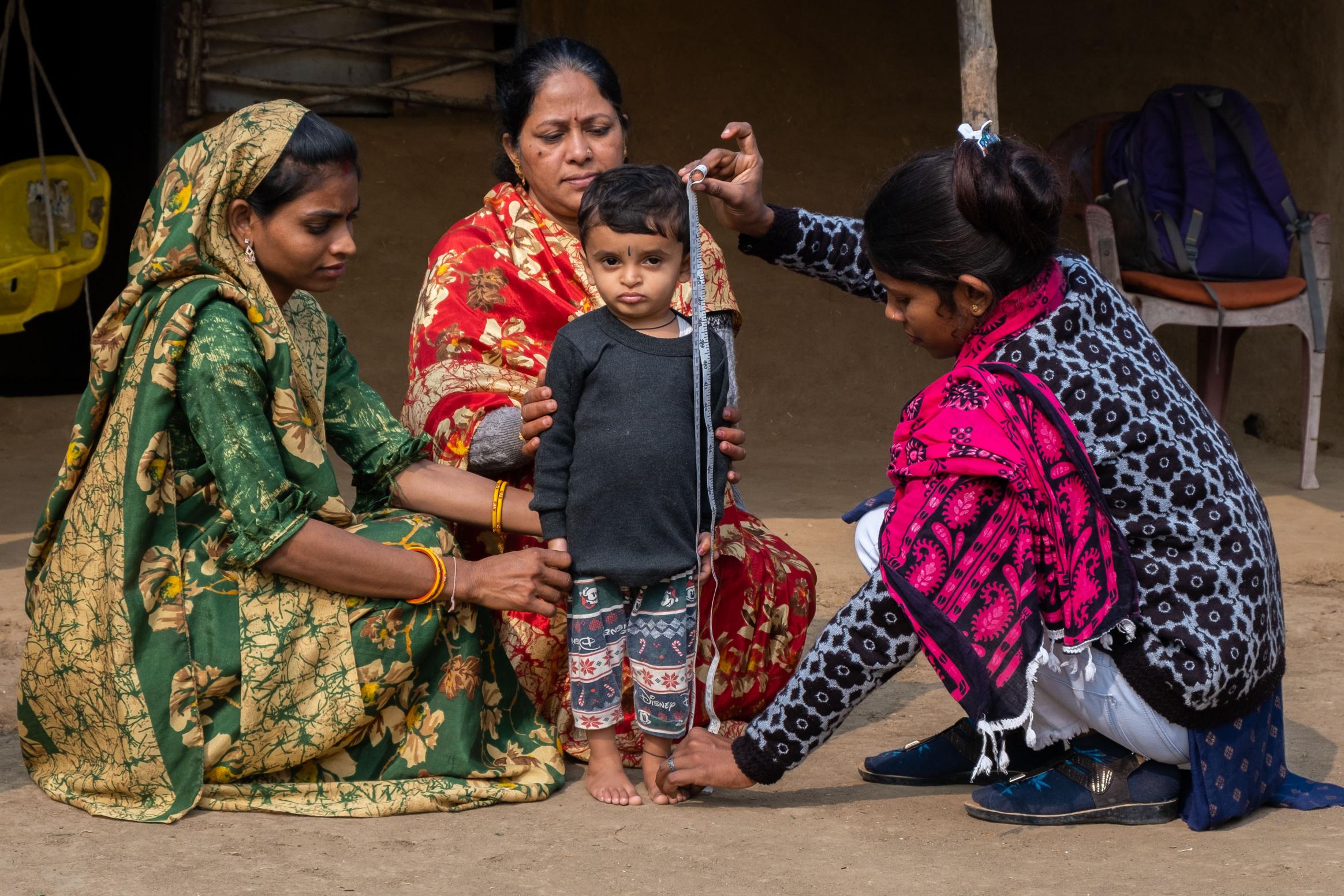
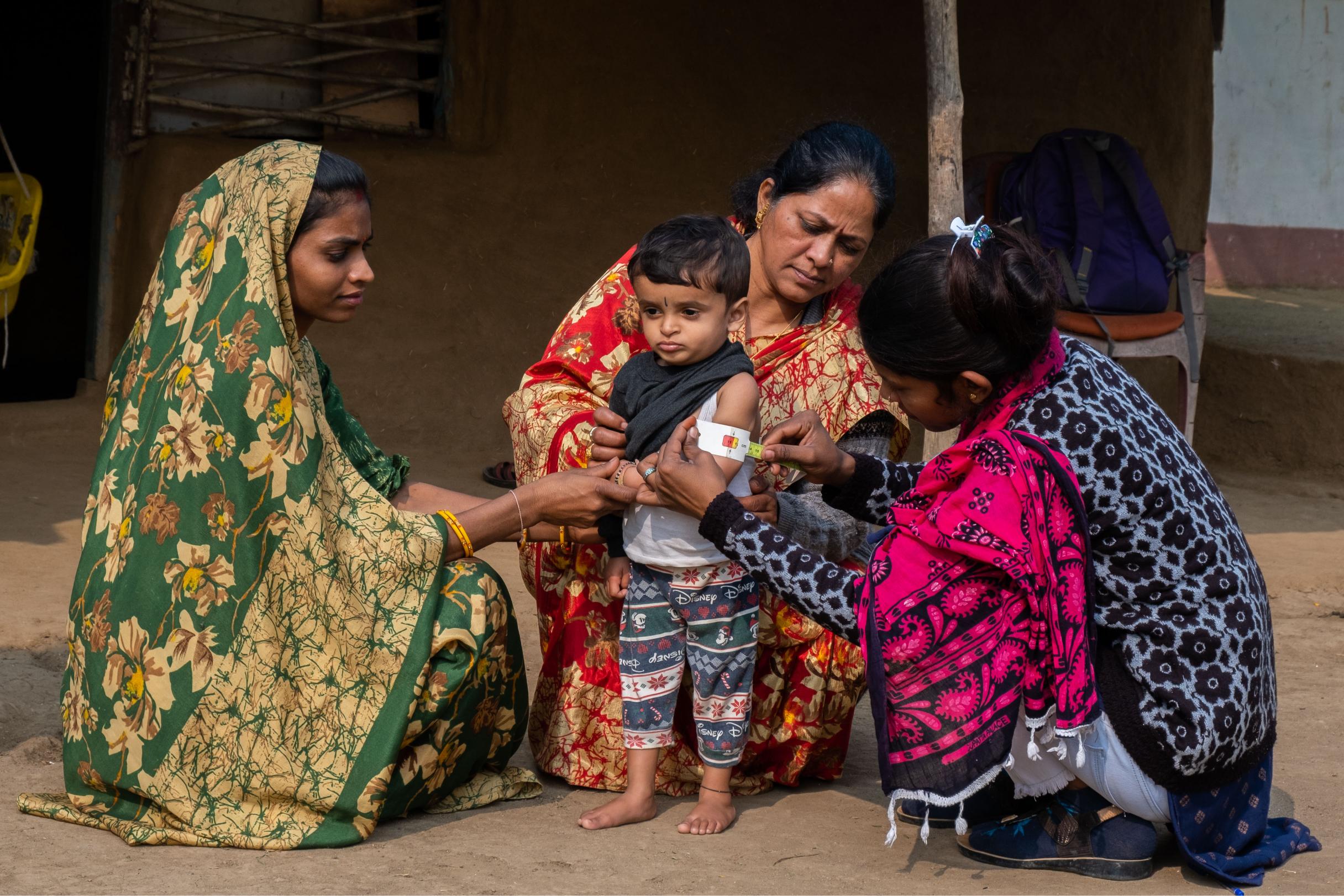
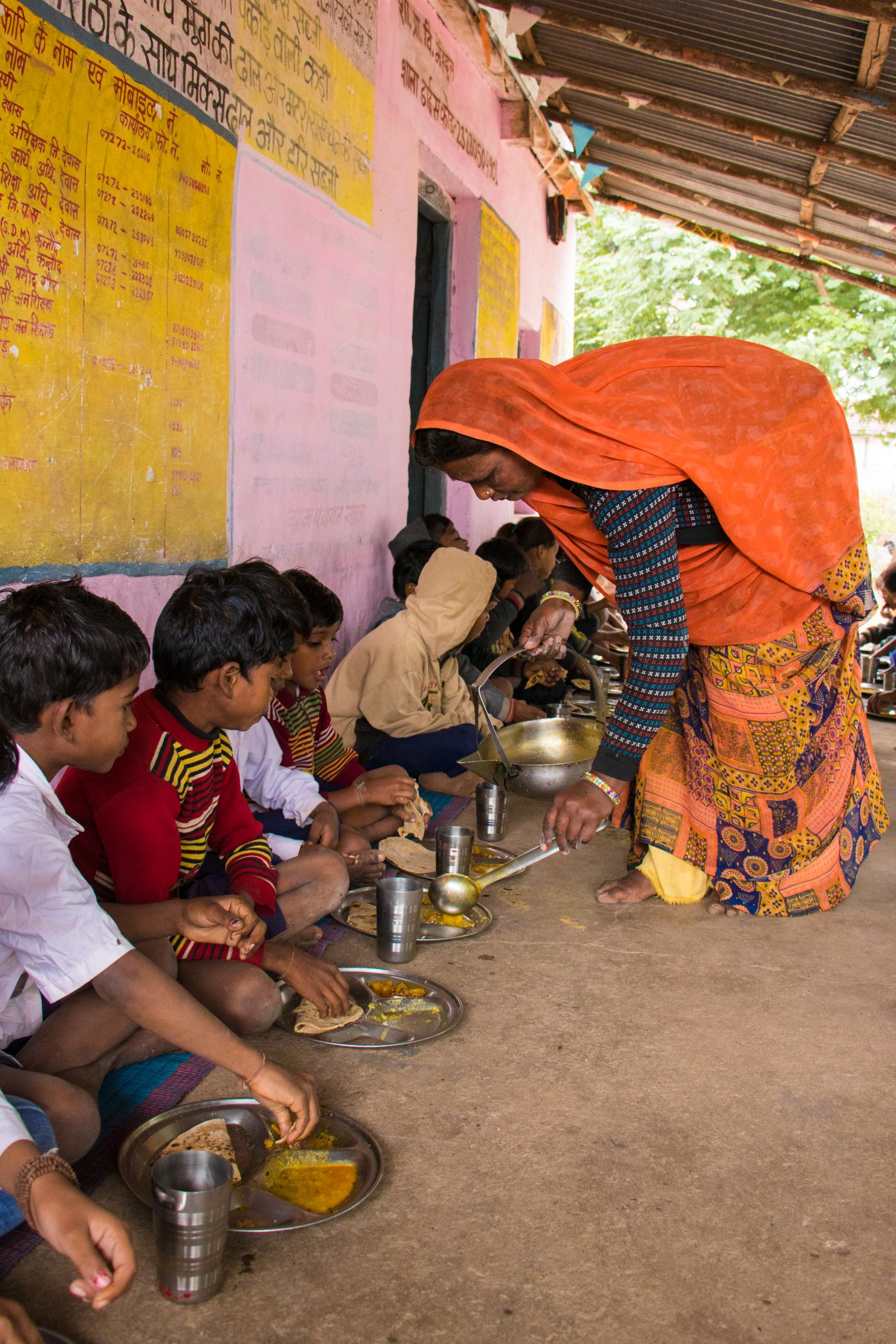
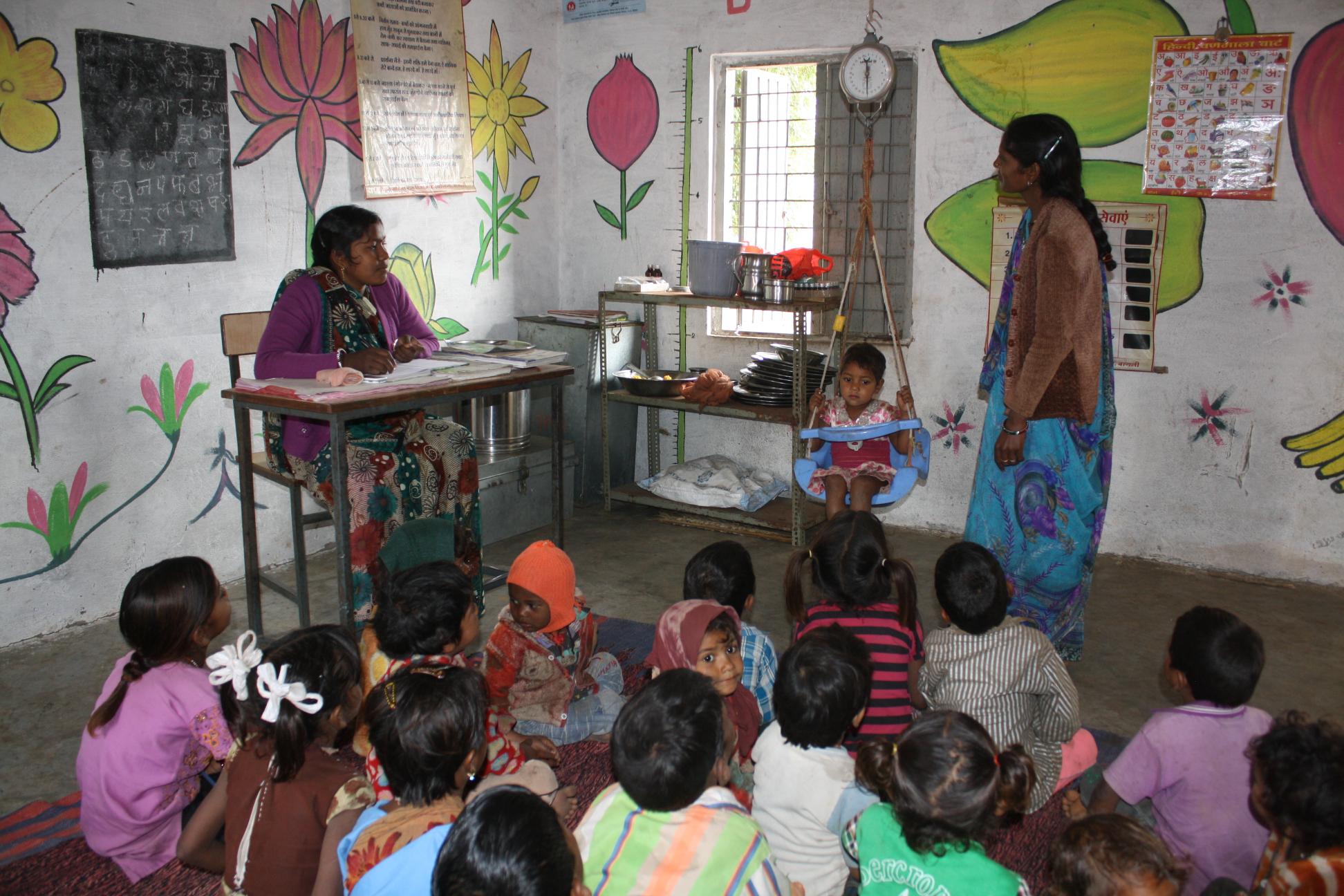
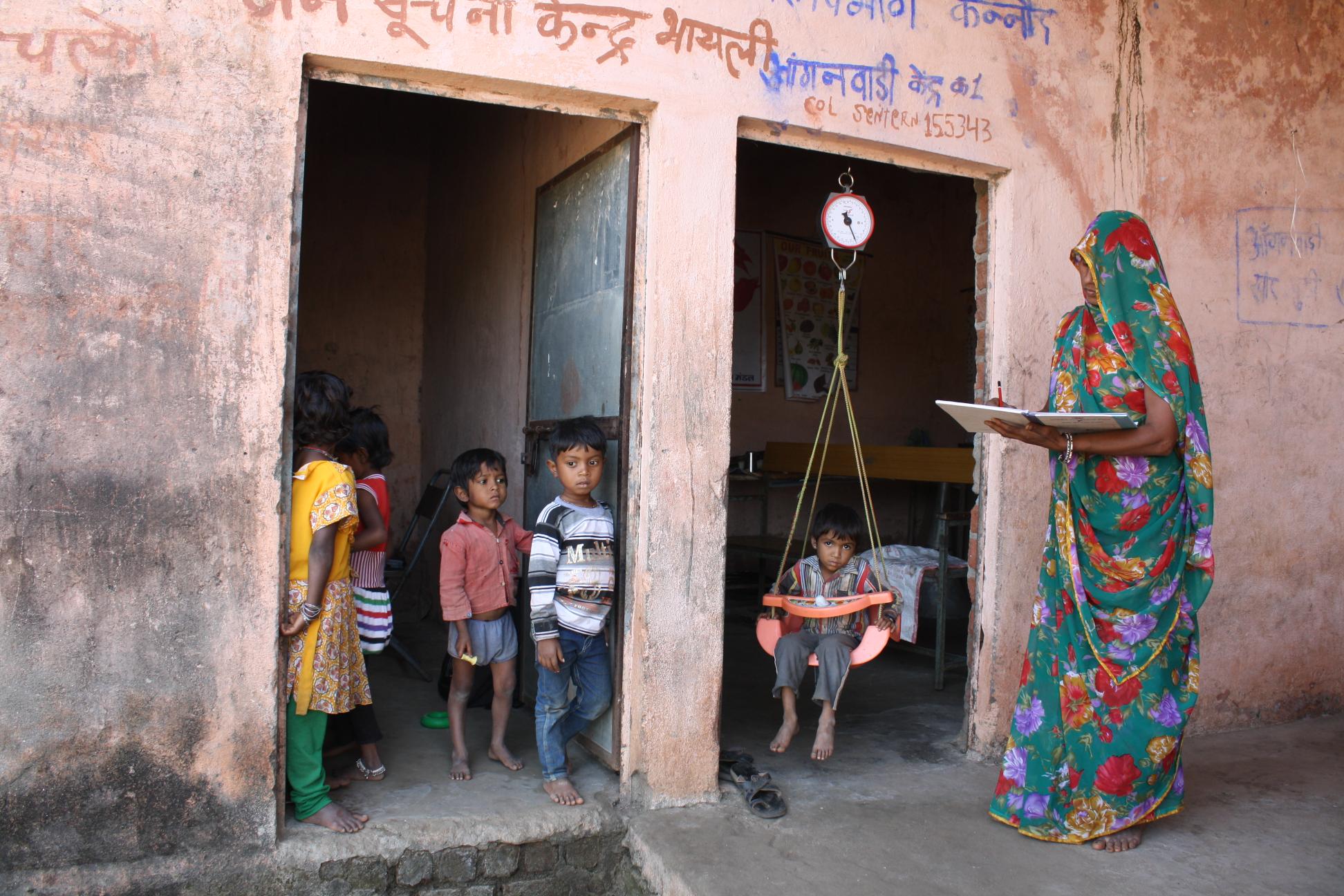
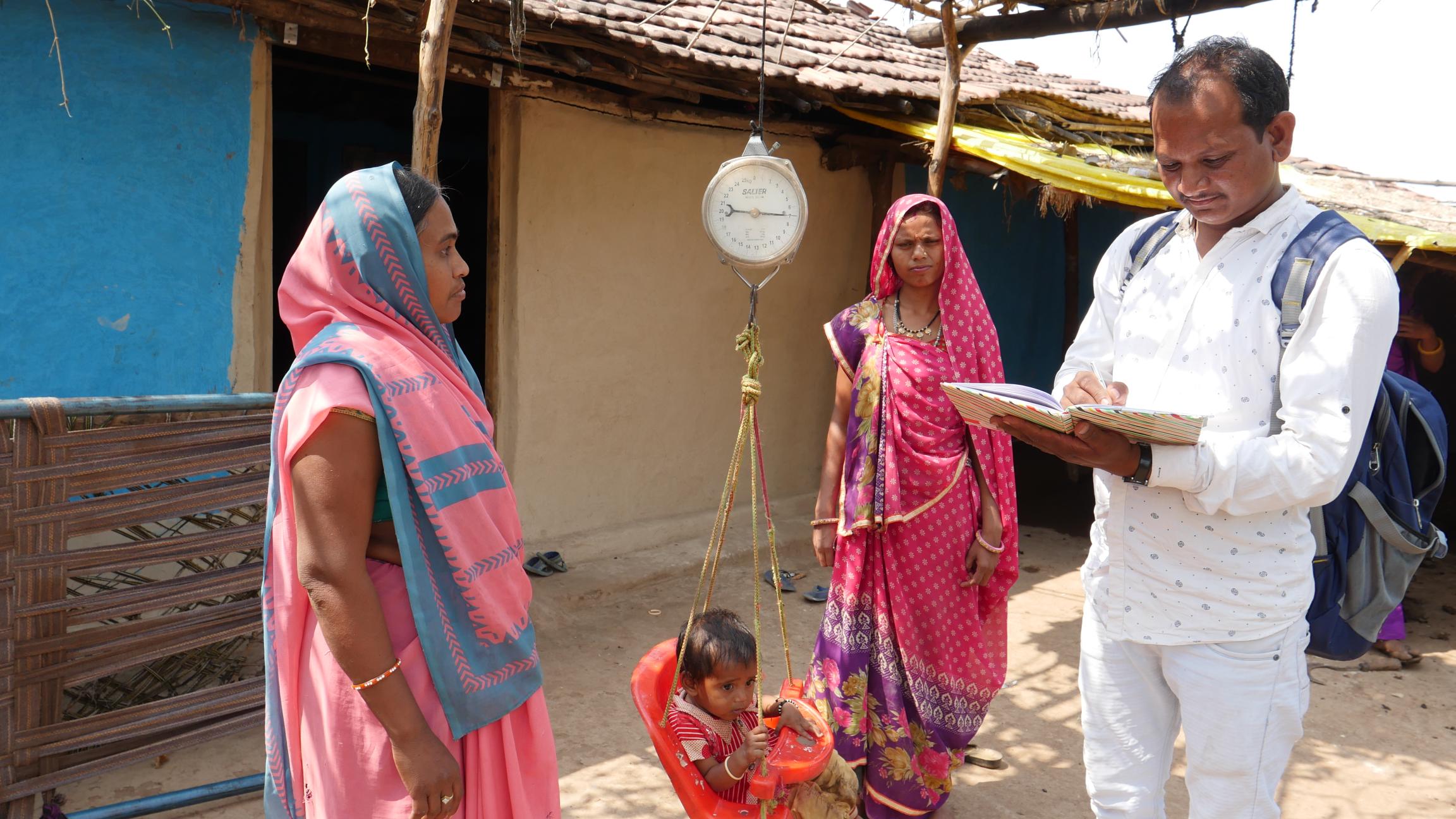
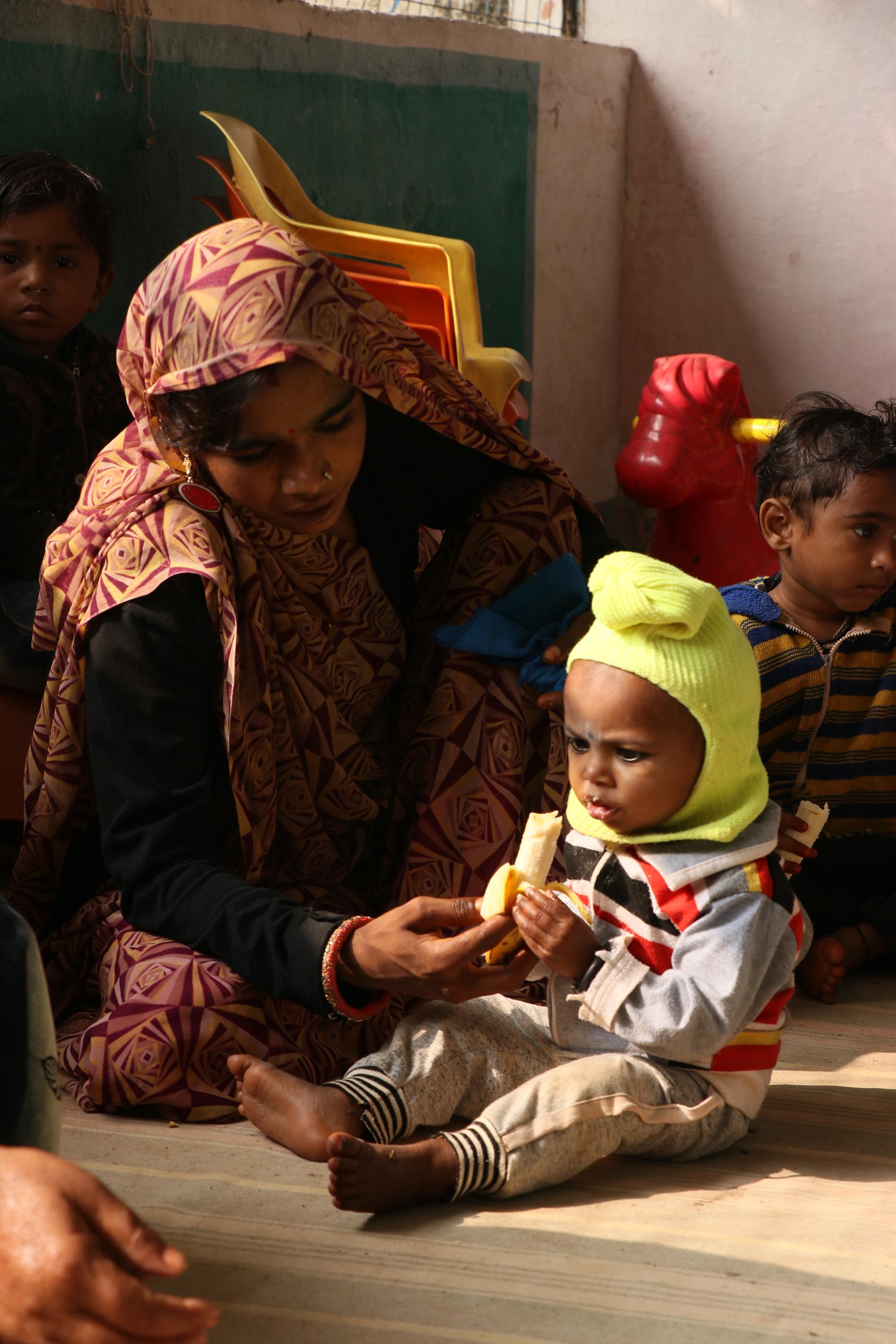
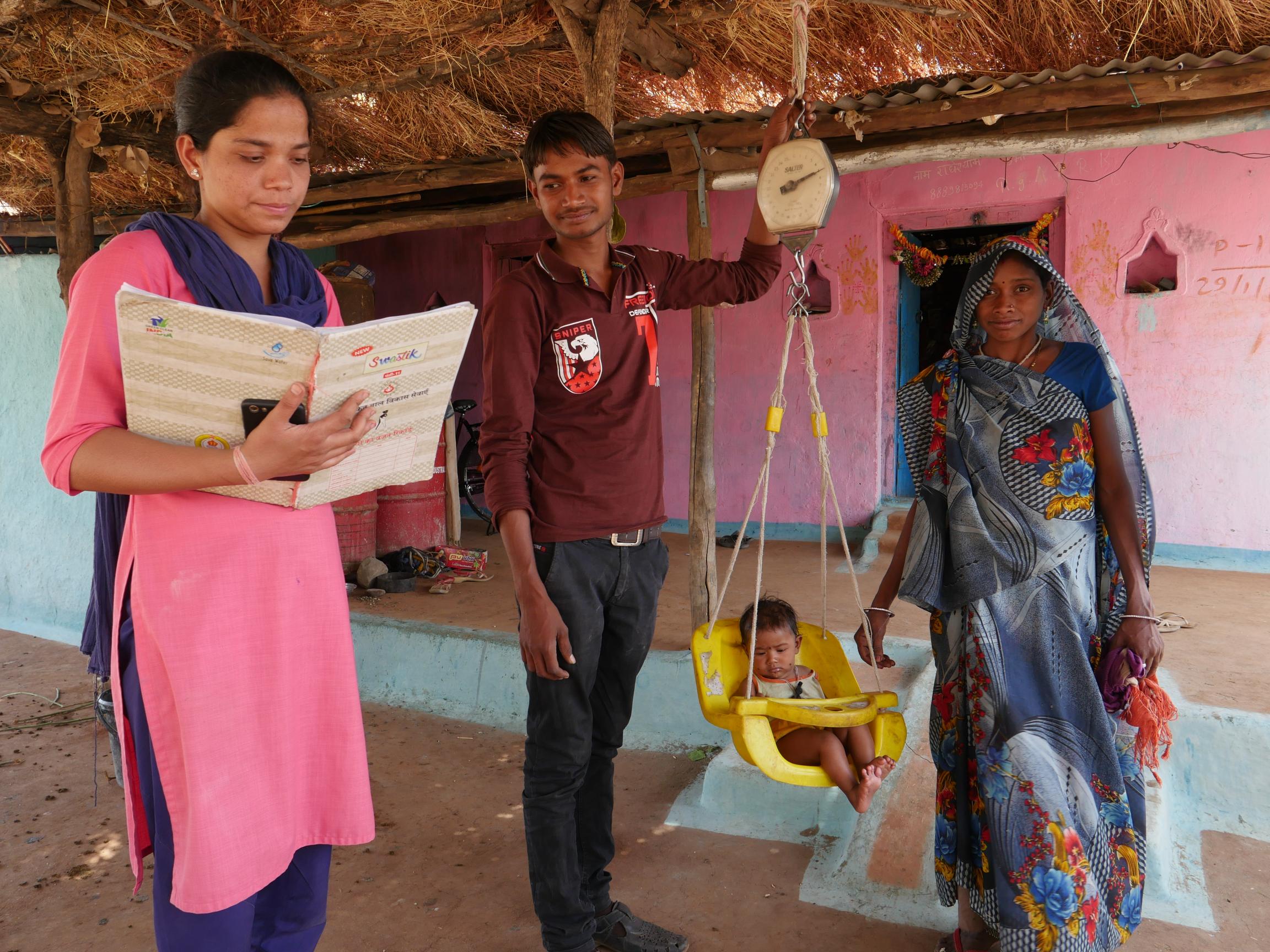
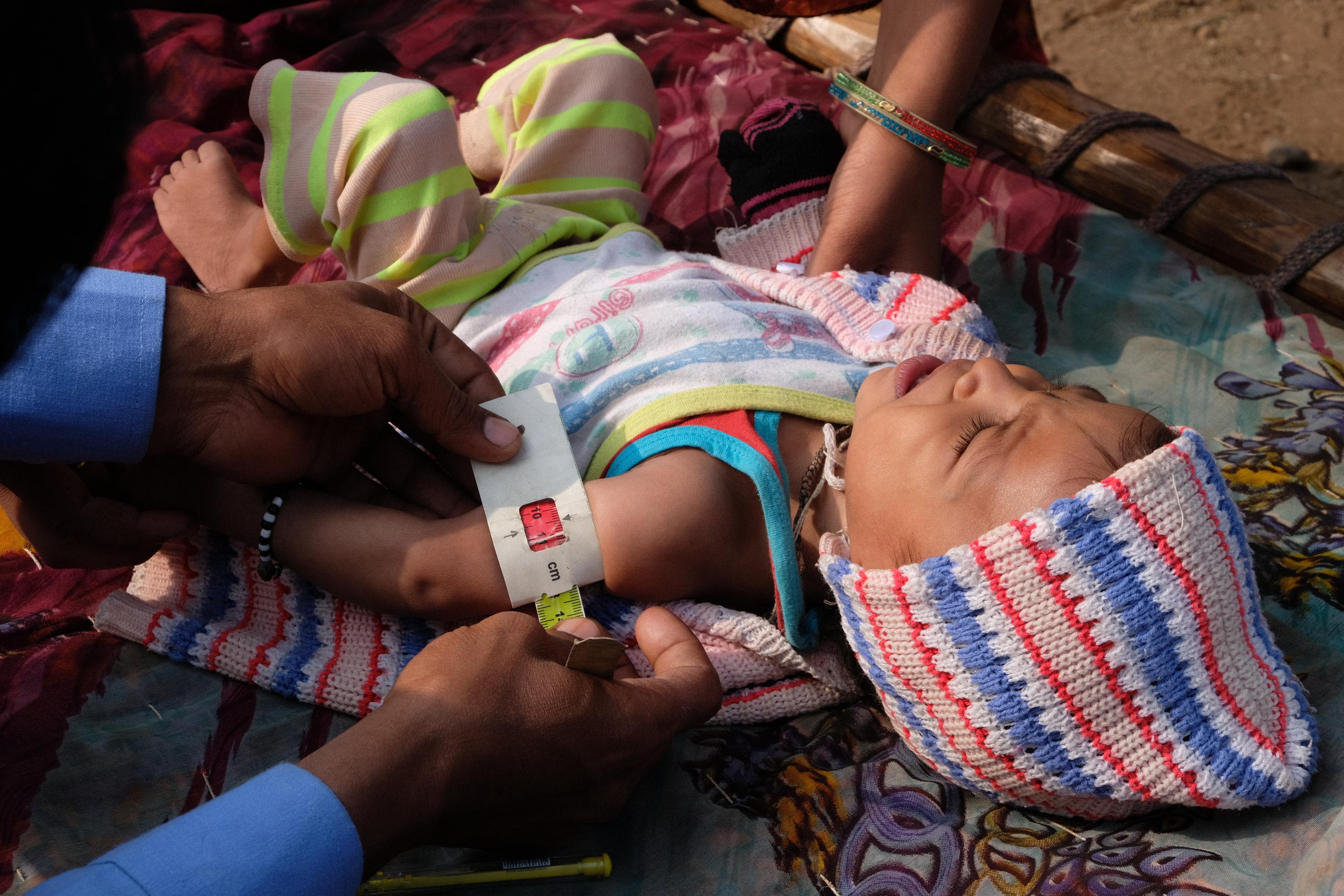
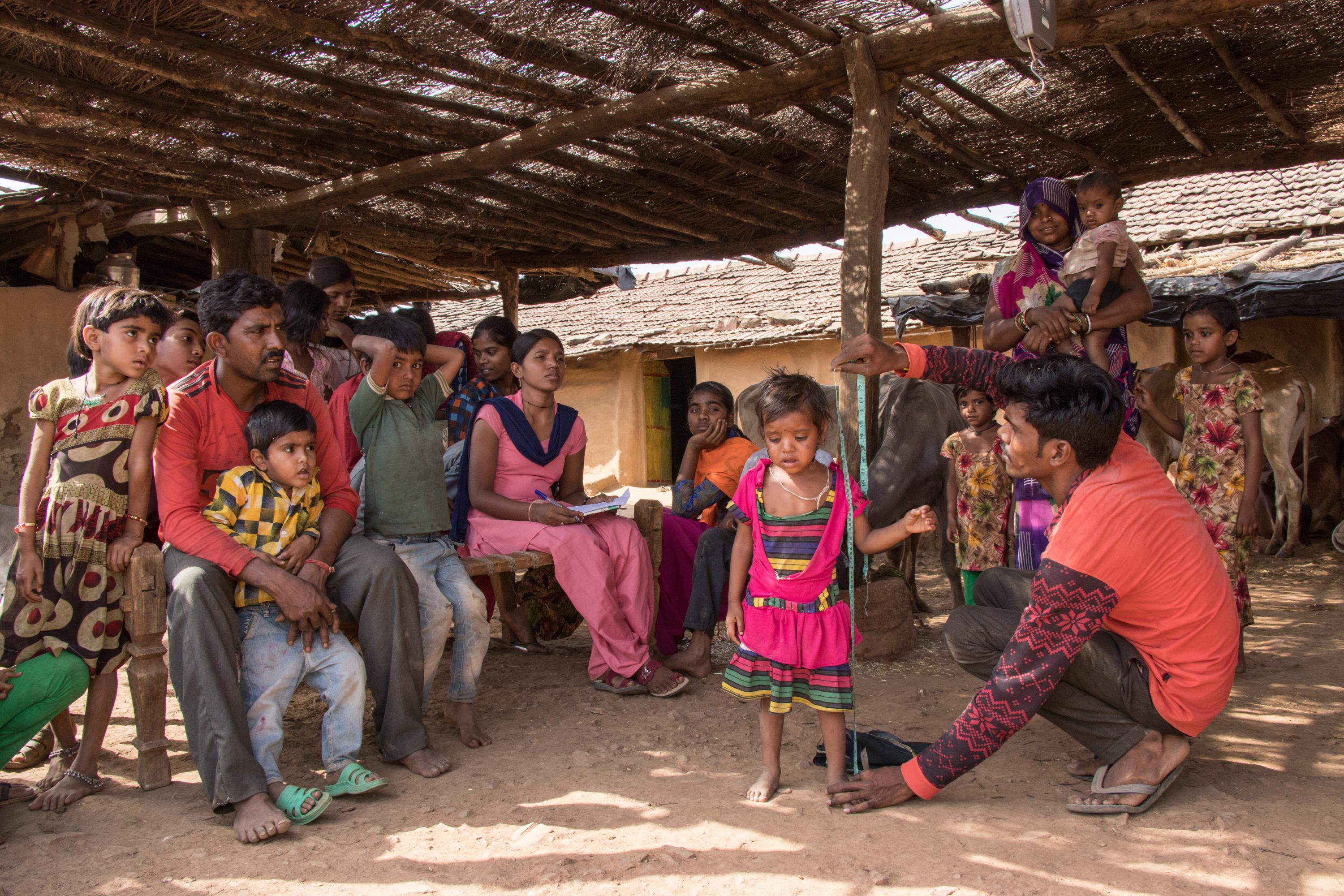
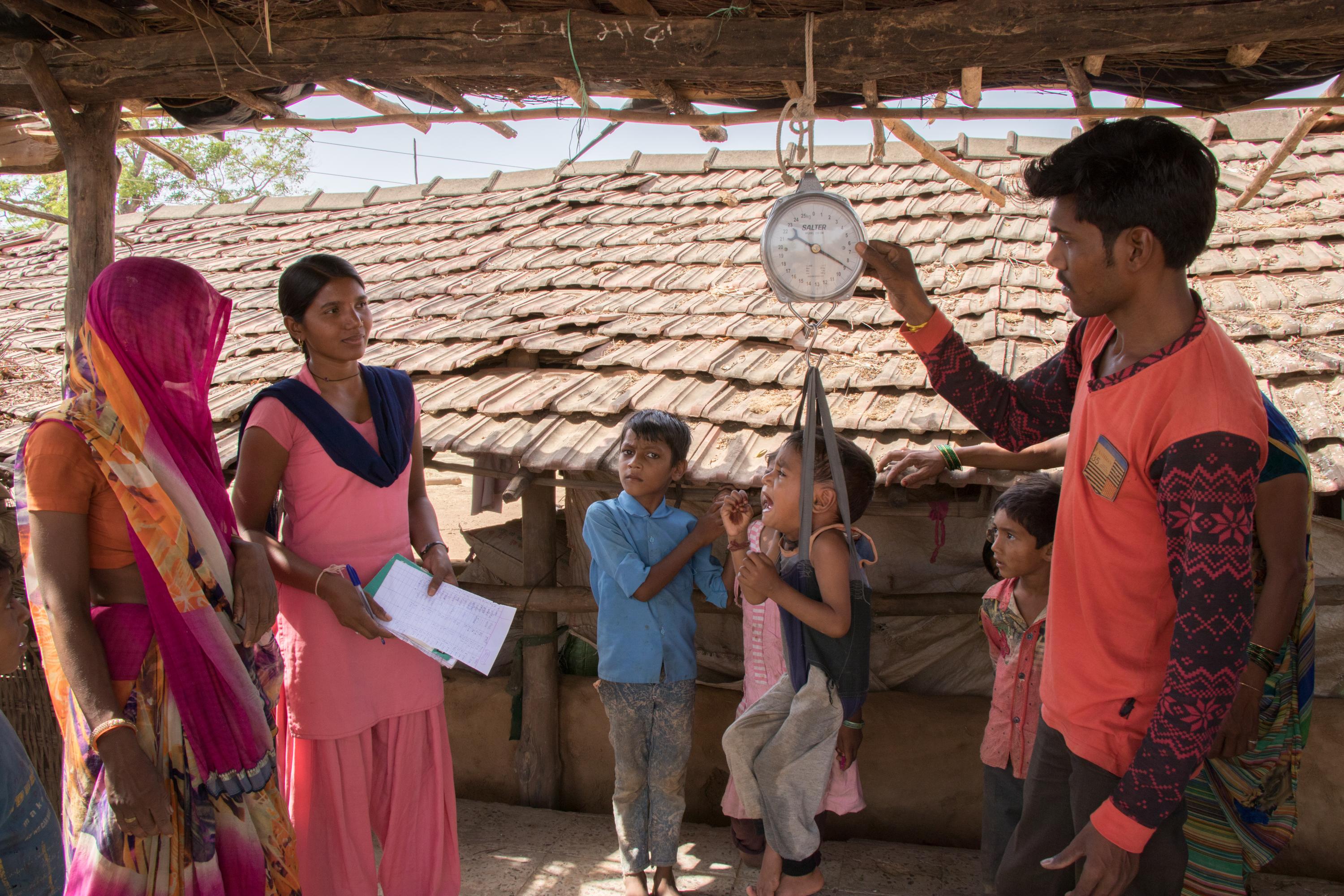
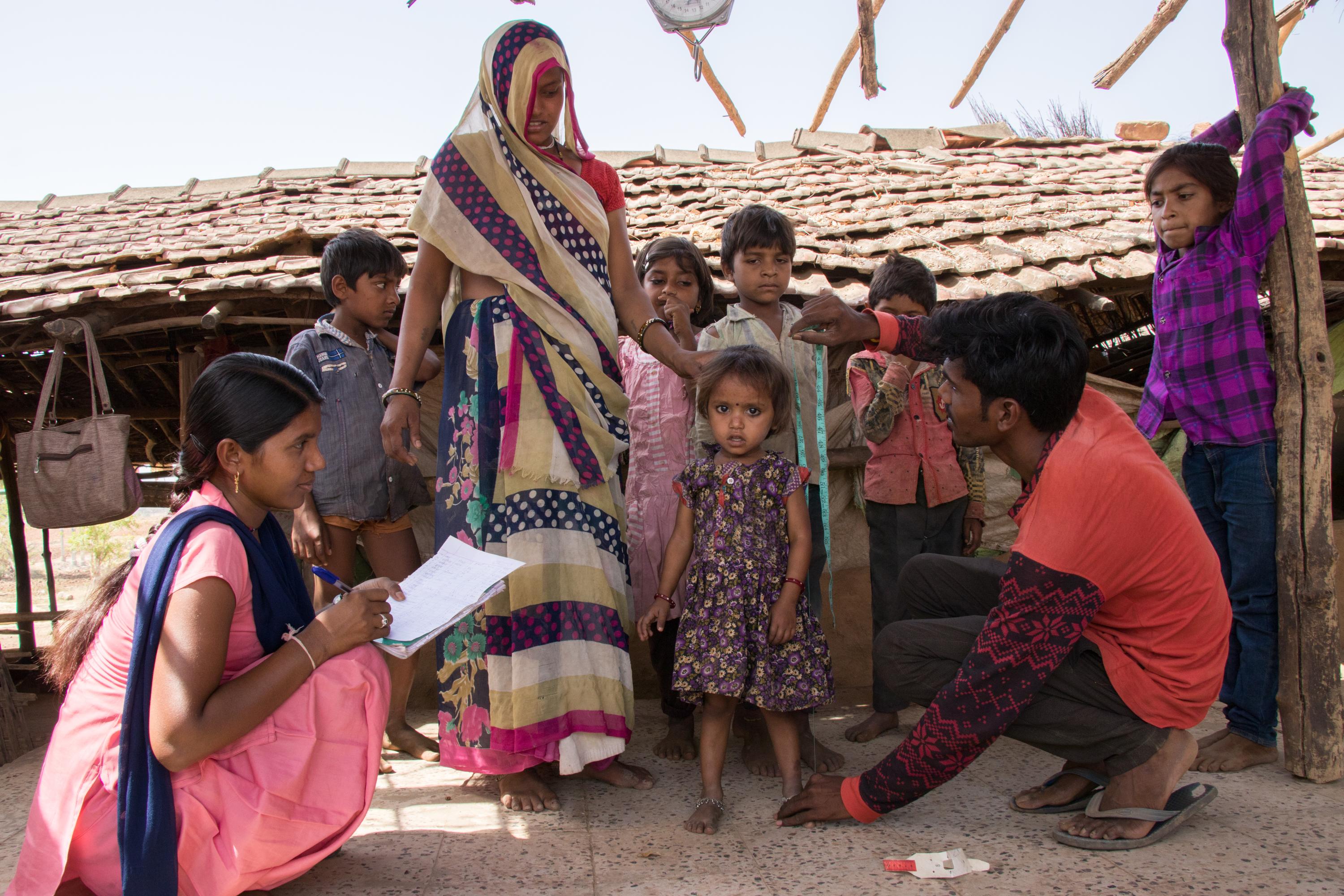
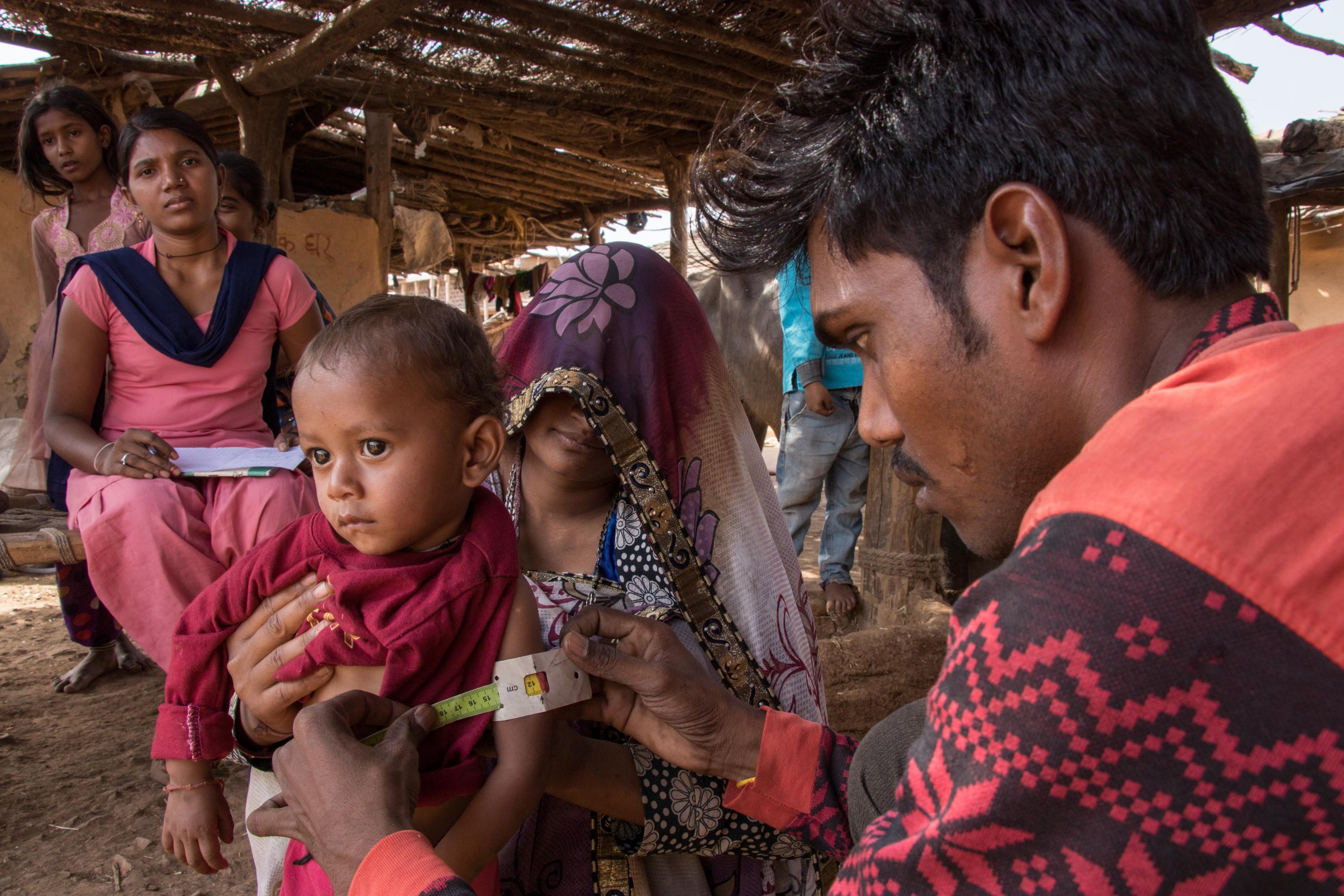
SPS conducted a survey of more than 7,000 children under 6 years of age, which identified malnourished children and monitored their growth. This work led to a marked improvement in quantity and quality of mid-day meals in 171 primary and middle schools. A survey and screening of nearly 2,000 households was conducted for BPL eligibility — the painstaking efforts of the RTF team resulted in 512 eligible families receiving BPL cards.
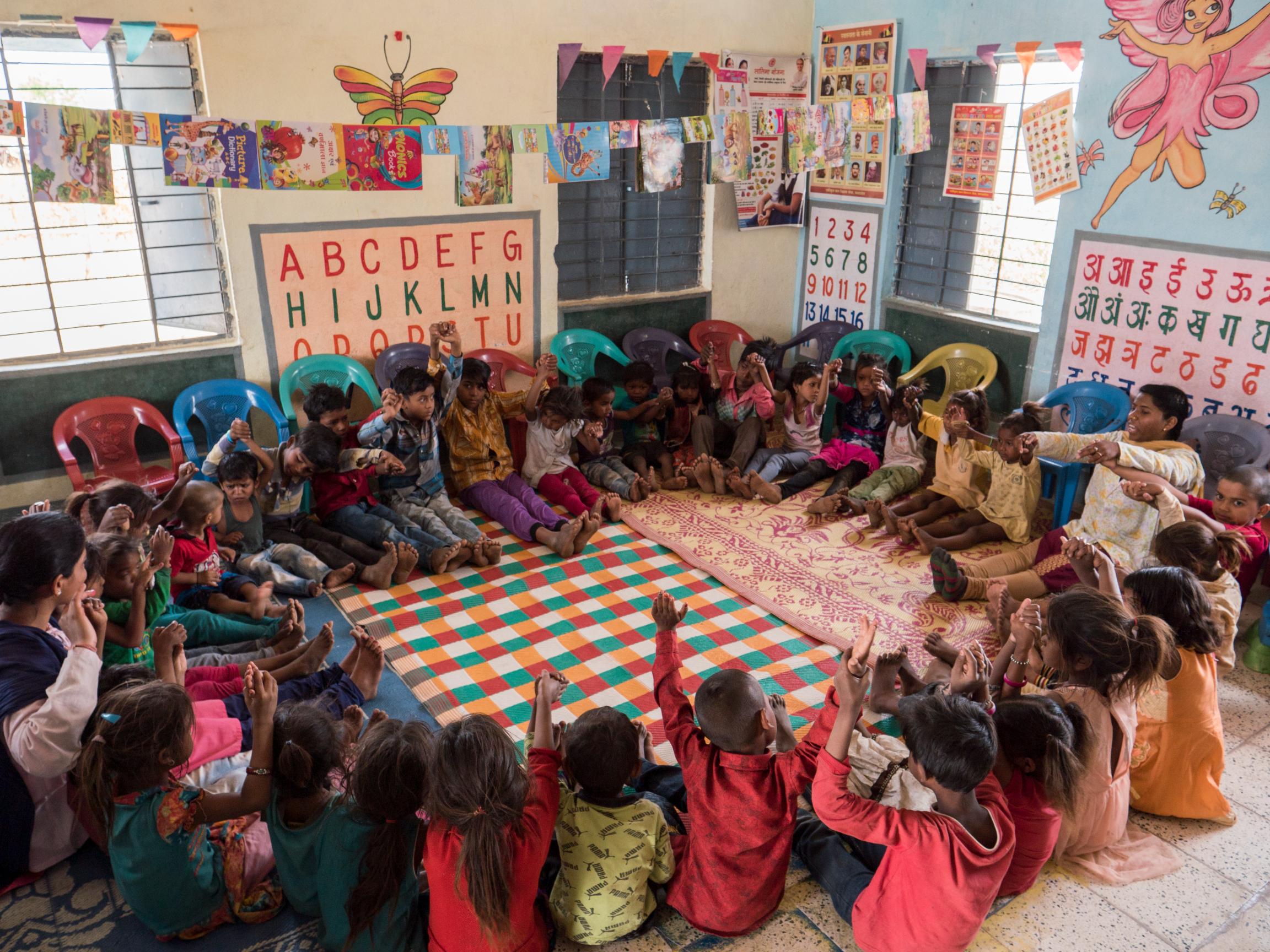
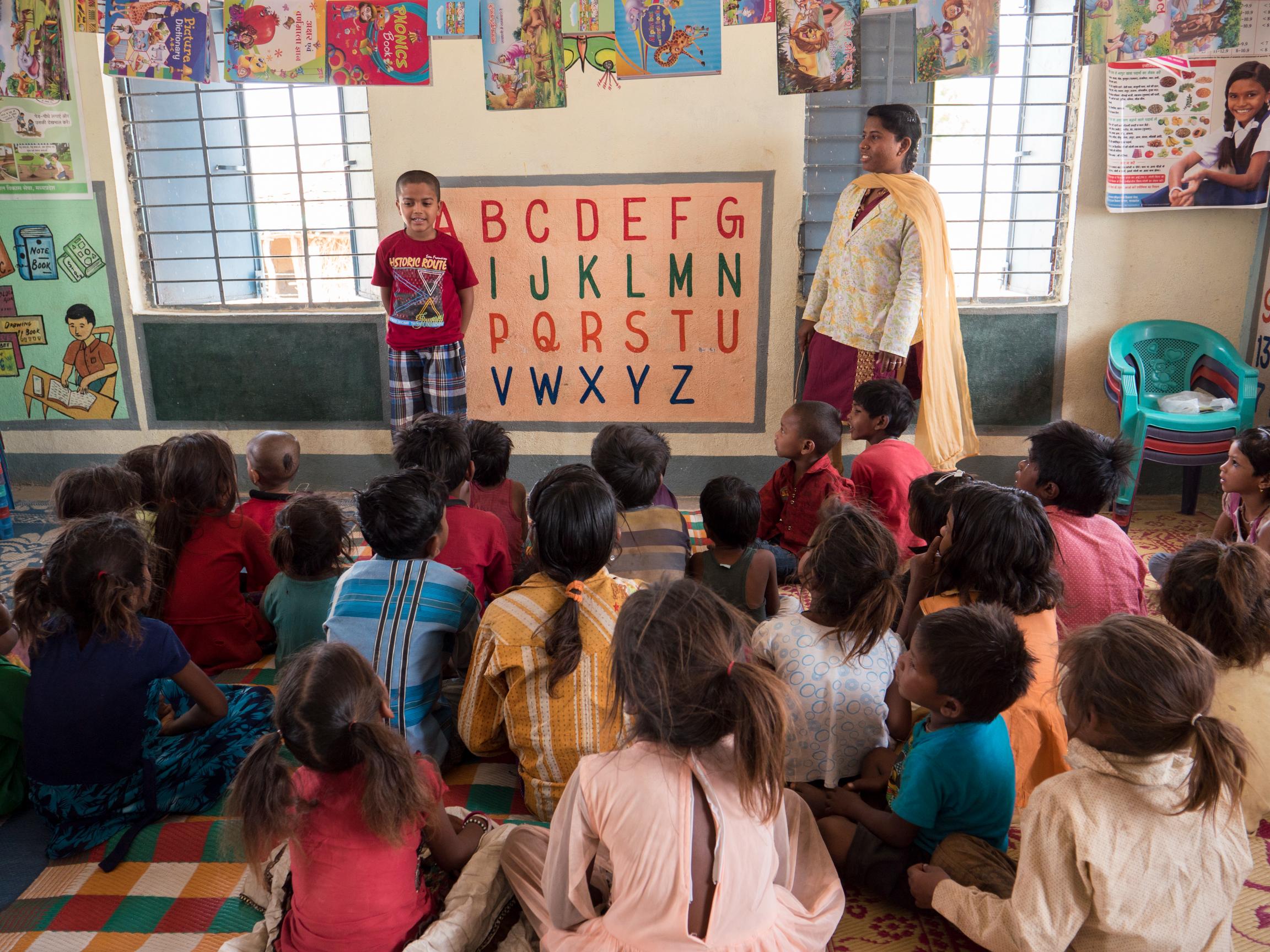
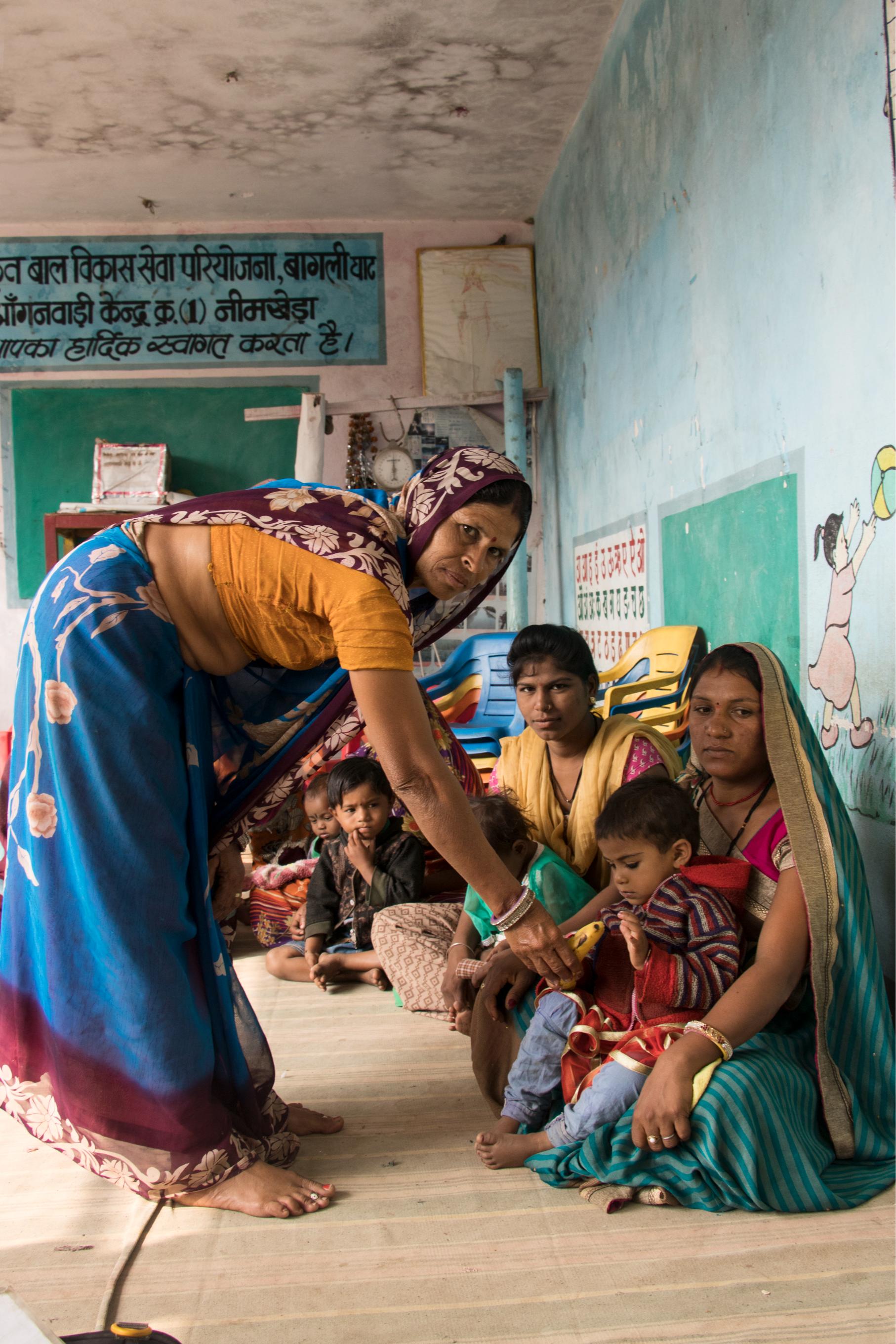
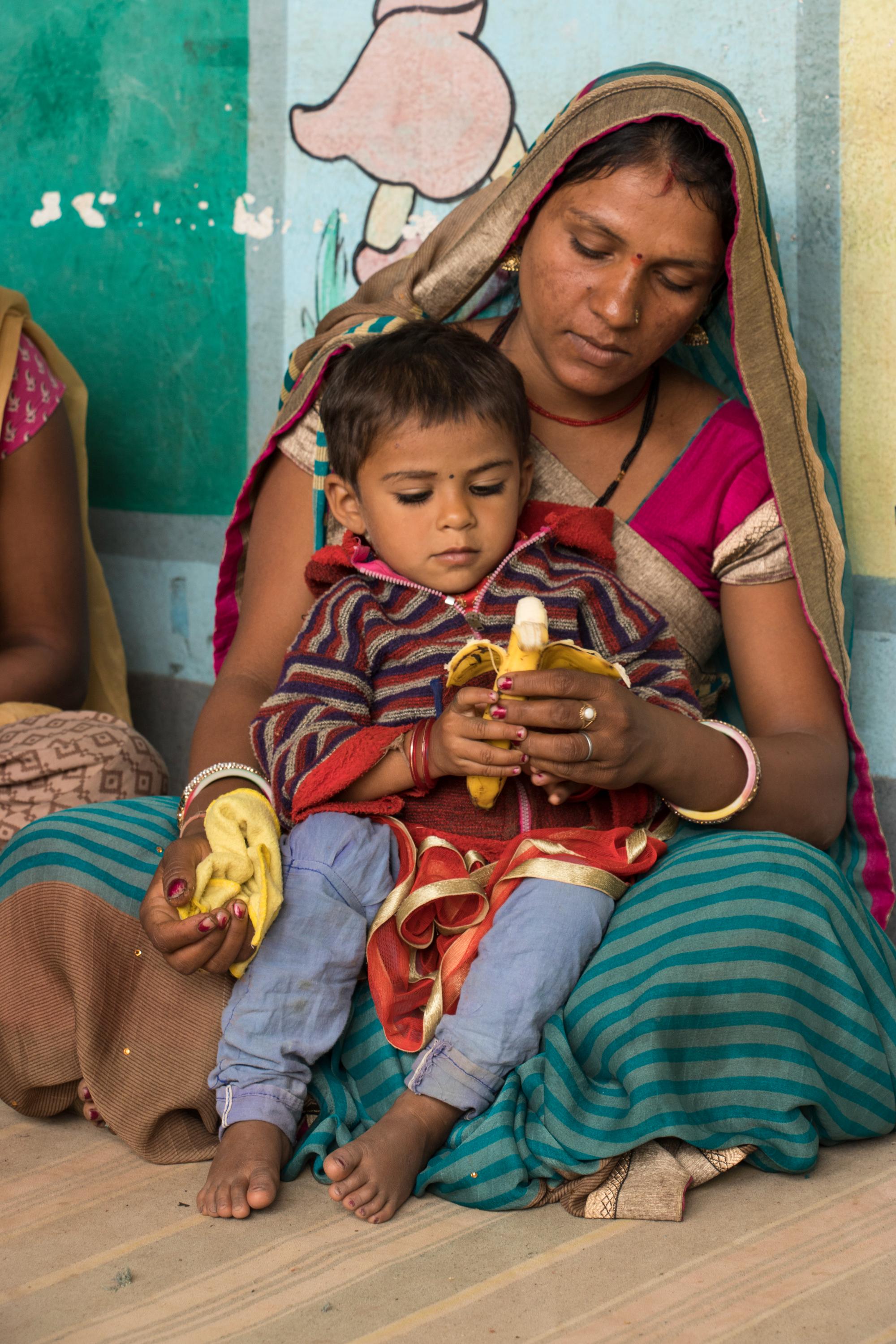
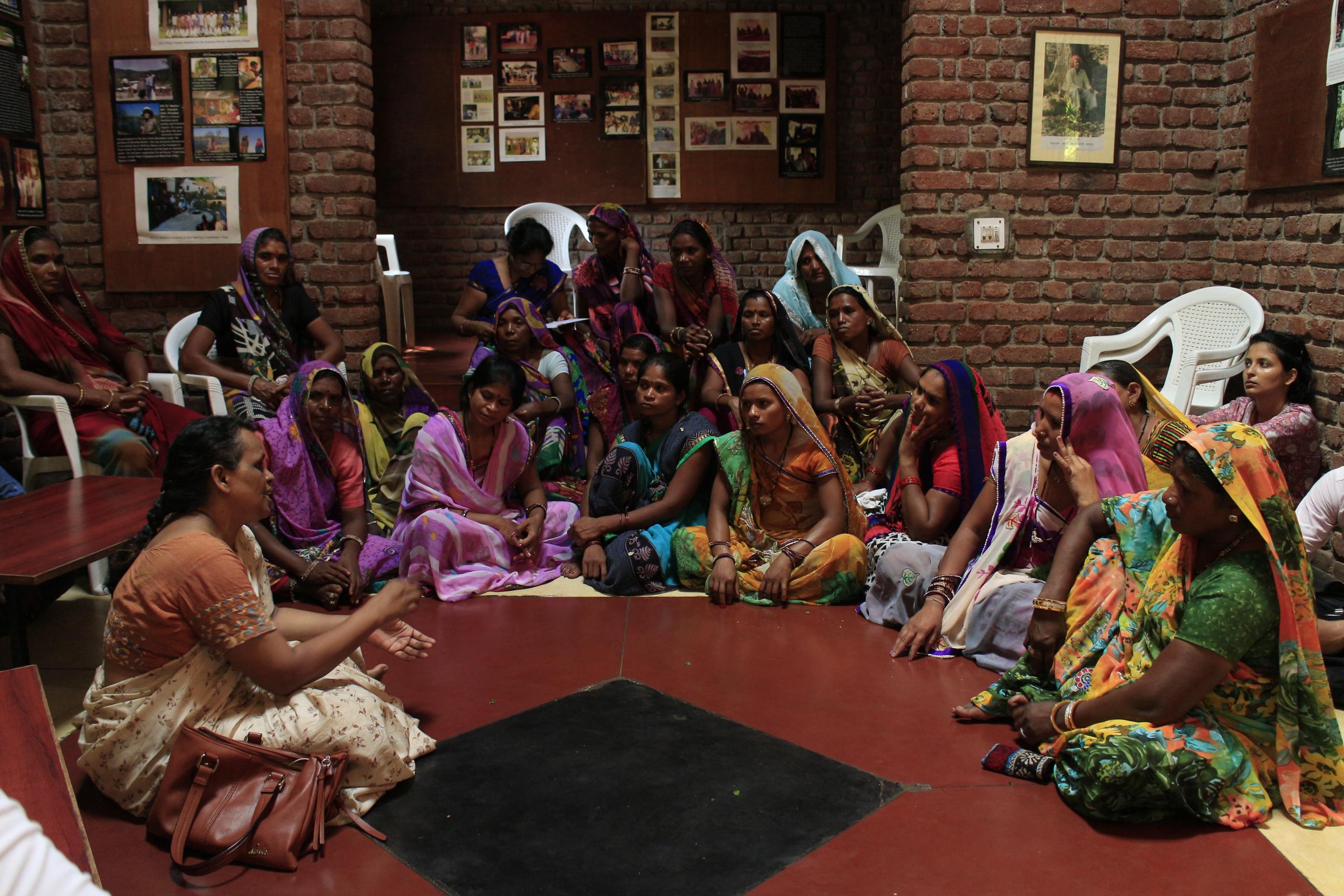
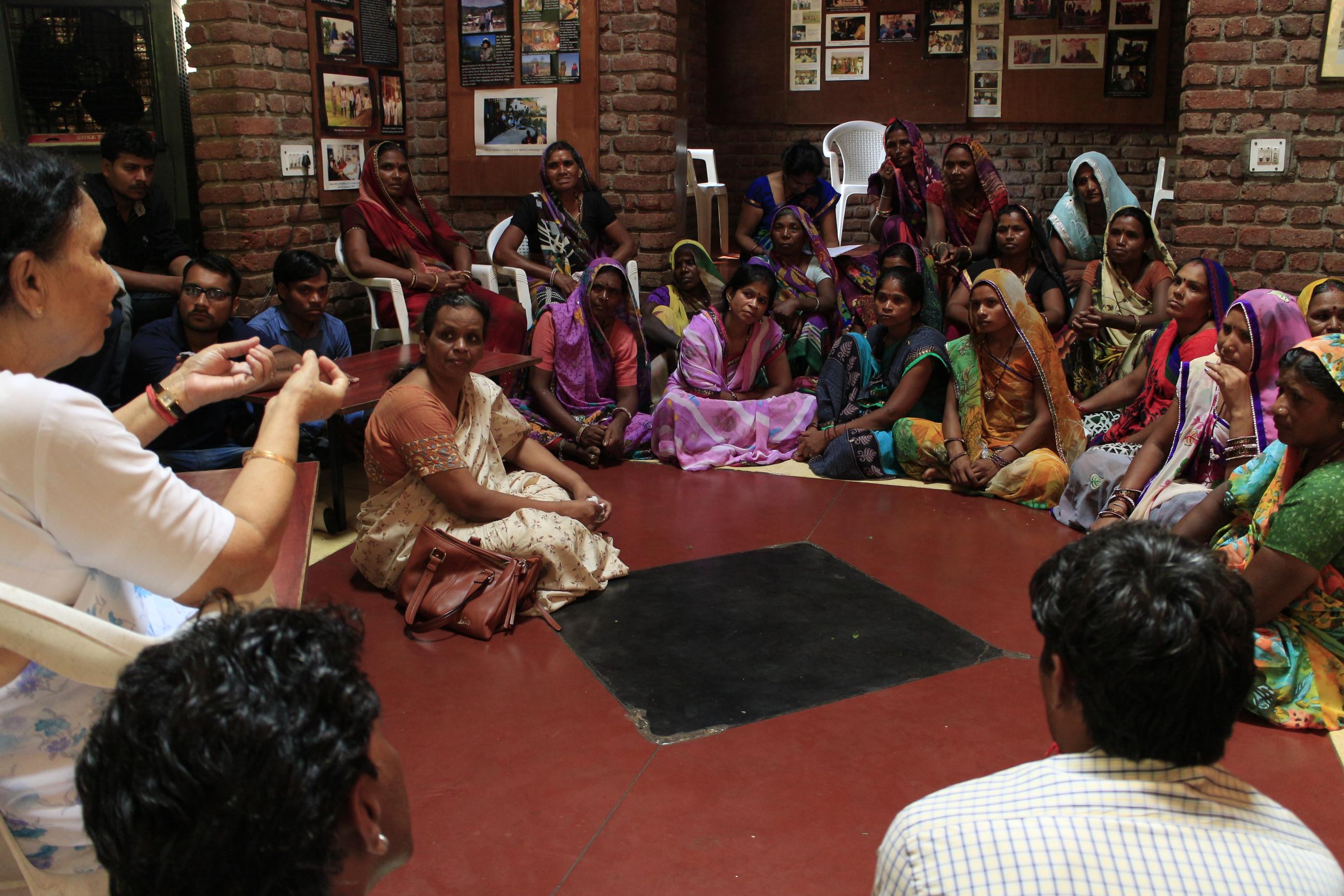
The pressure created by the local women mobilised by the RTF team resulted in 47 new ICDS centres being started, with another 27 centres to be opened soon. The work of partner NGOs, trained and supported by SPS, has provided extensive relief to people living in malnutrition hotspots of Madhya Pradesh and also ensured greater transparency and accountability in the functioning of the administration.
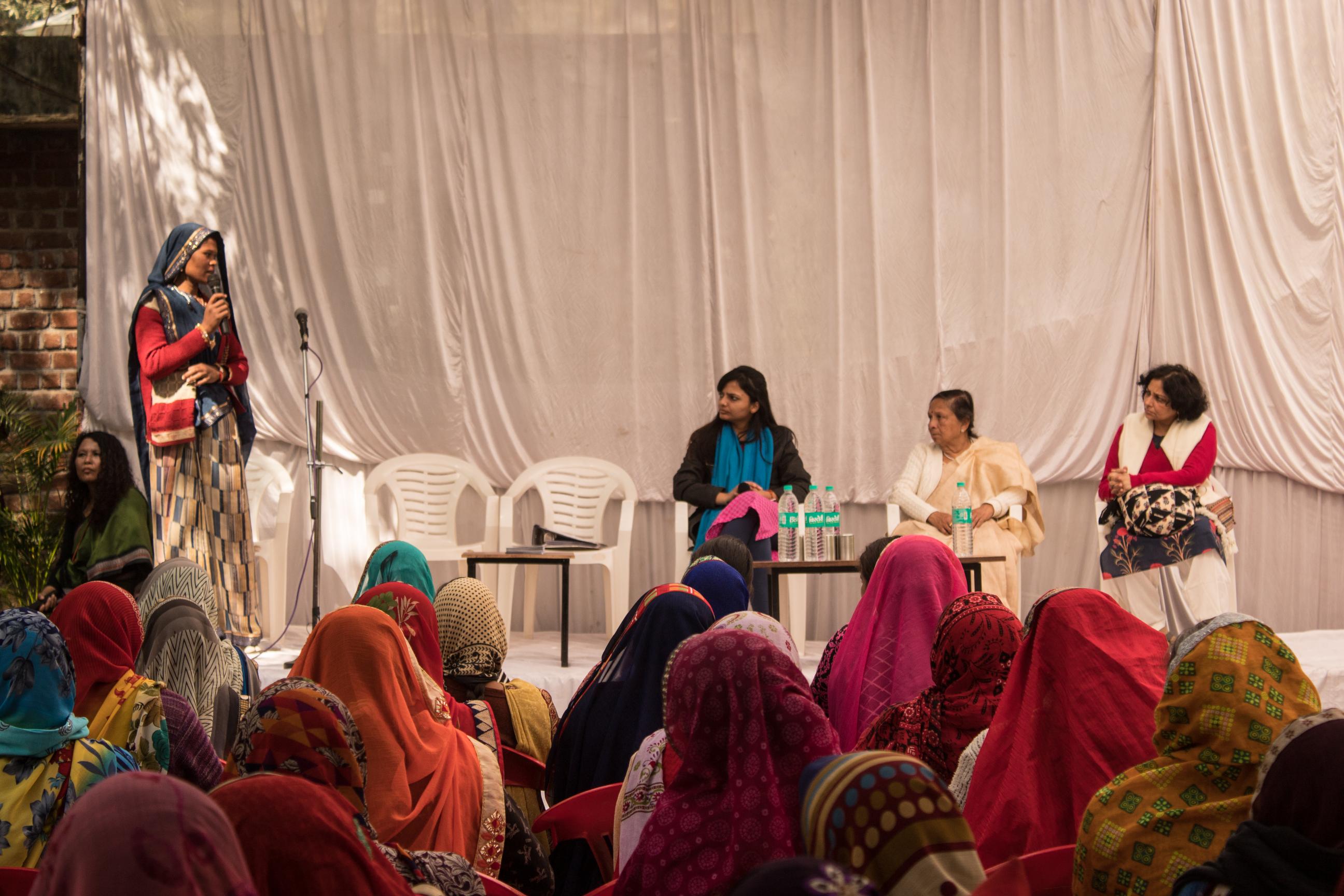
SPS Core Team members Dr. Mridula Banerji and Jyotsna Jain guide the Right to Food programme.
Expansion After 2013: Entitlement, Health & Nutrition
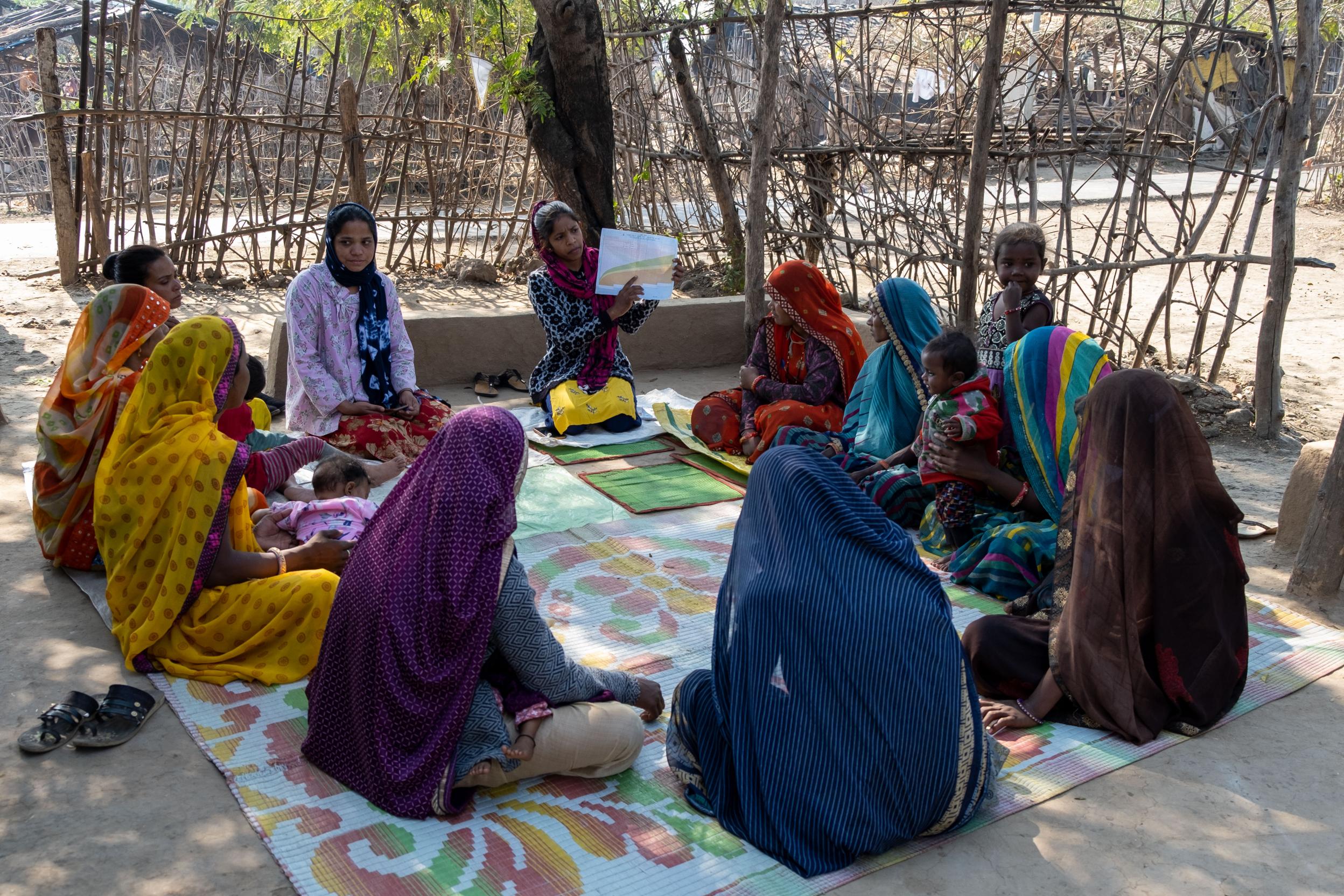
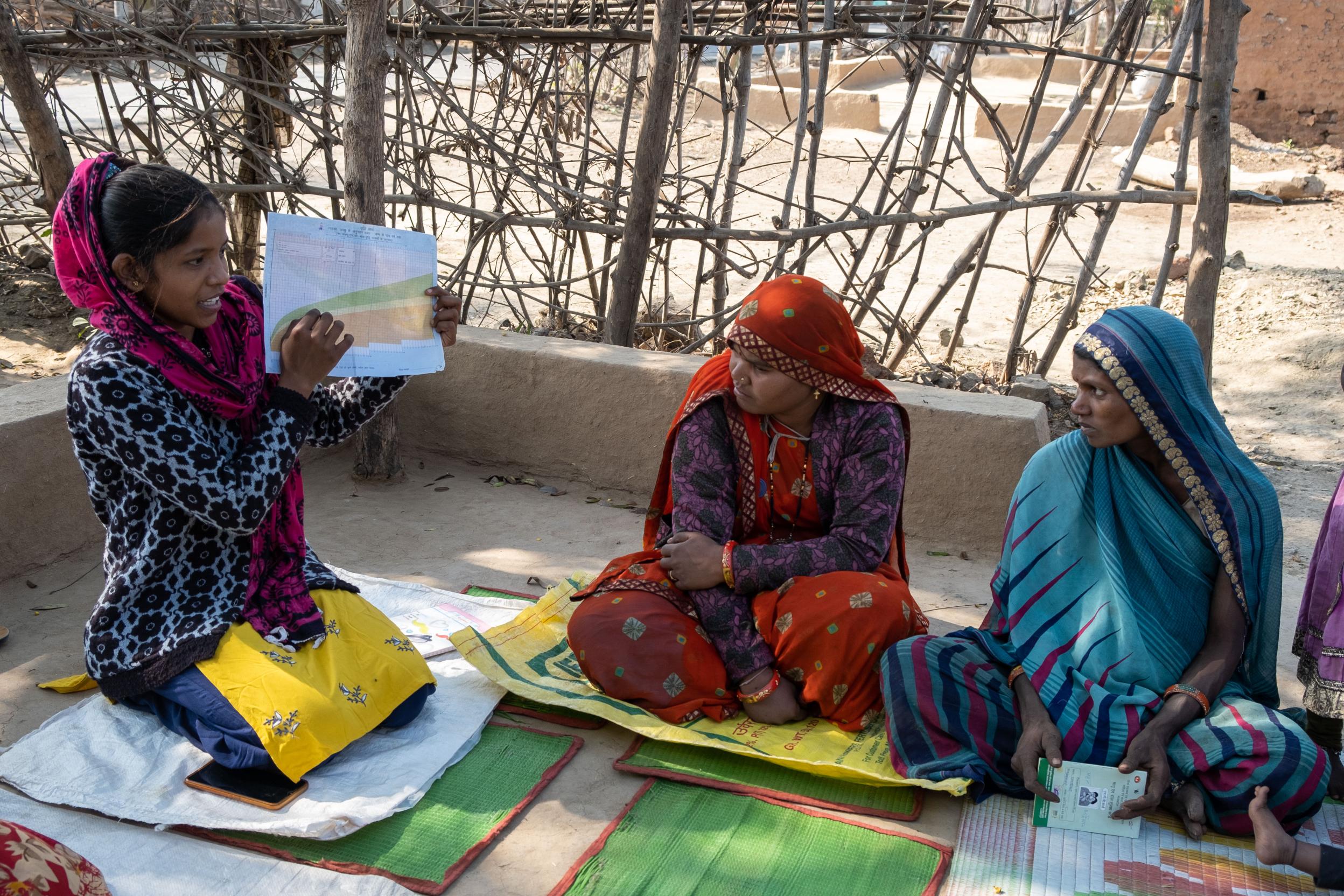
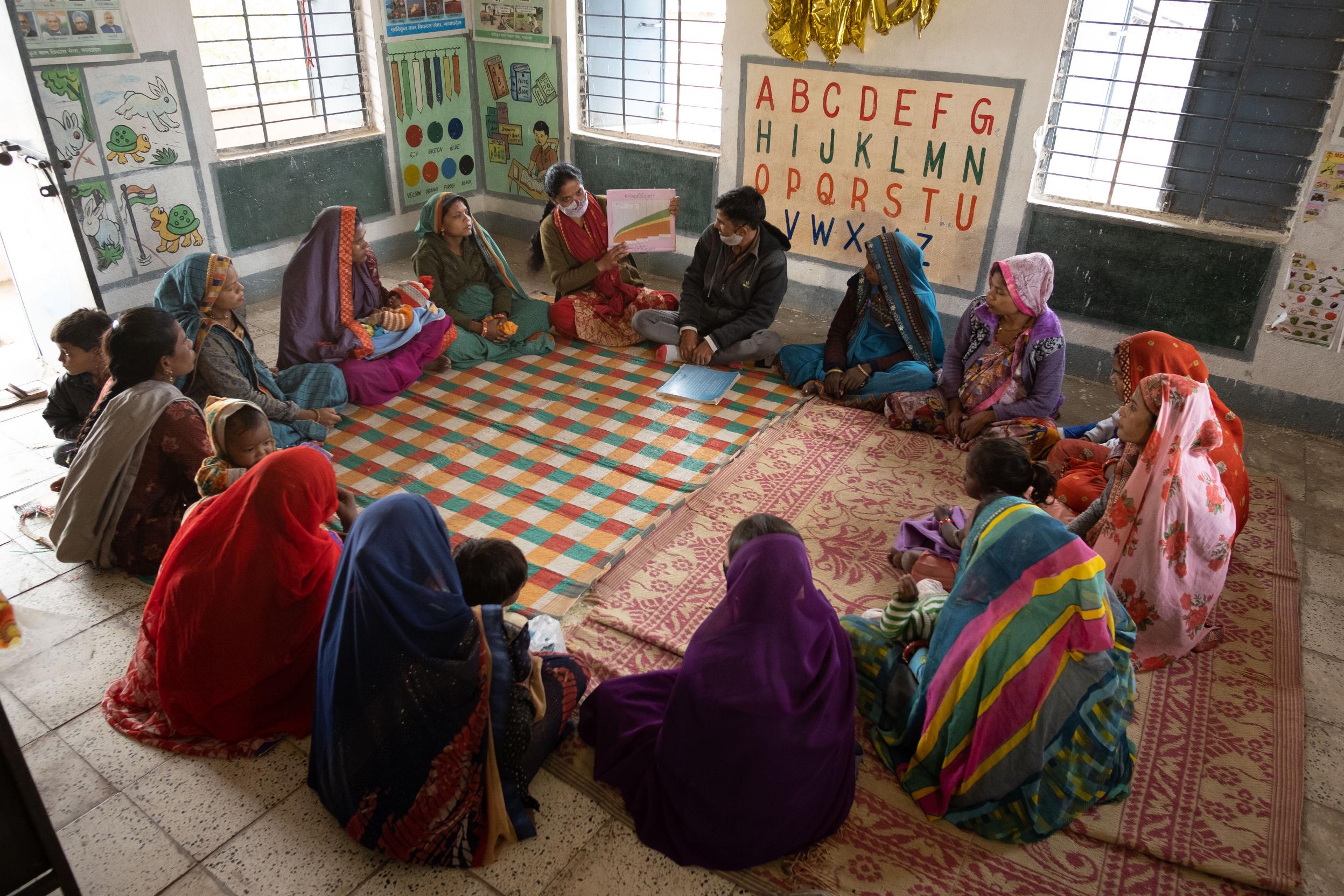
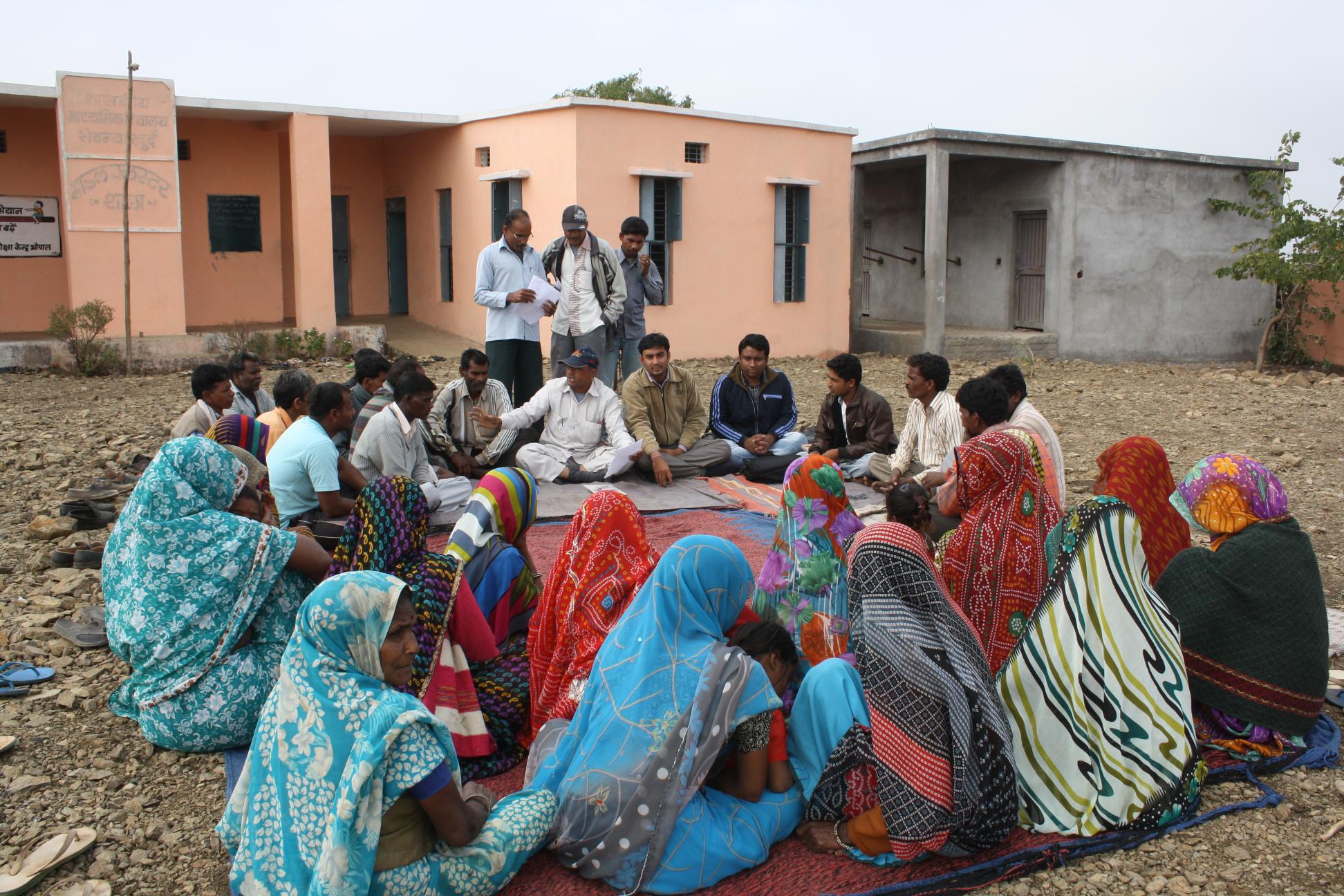
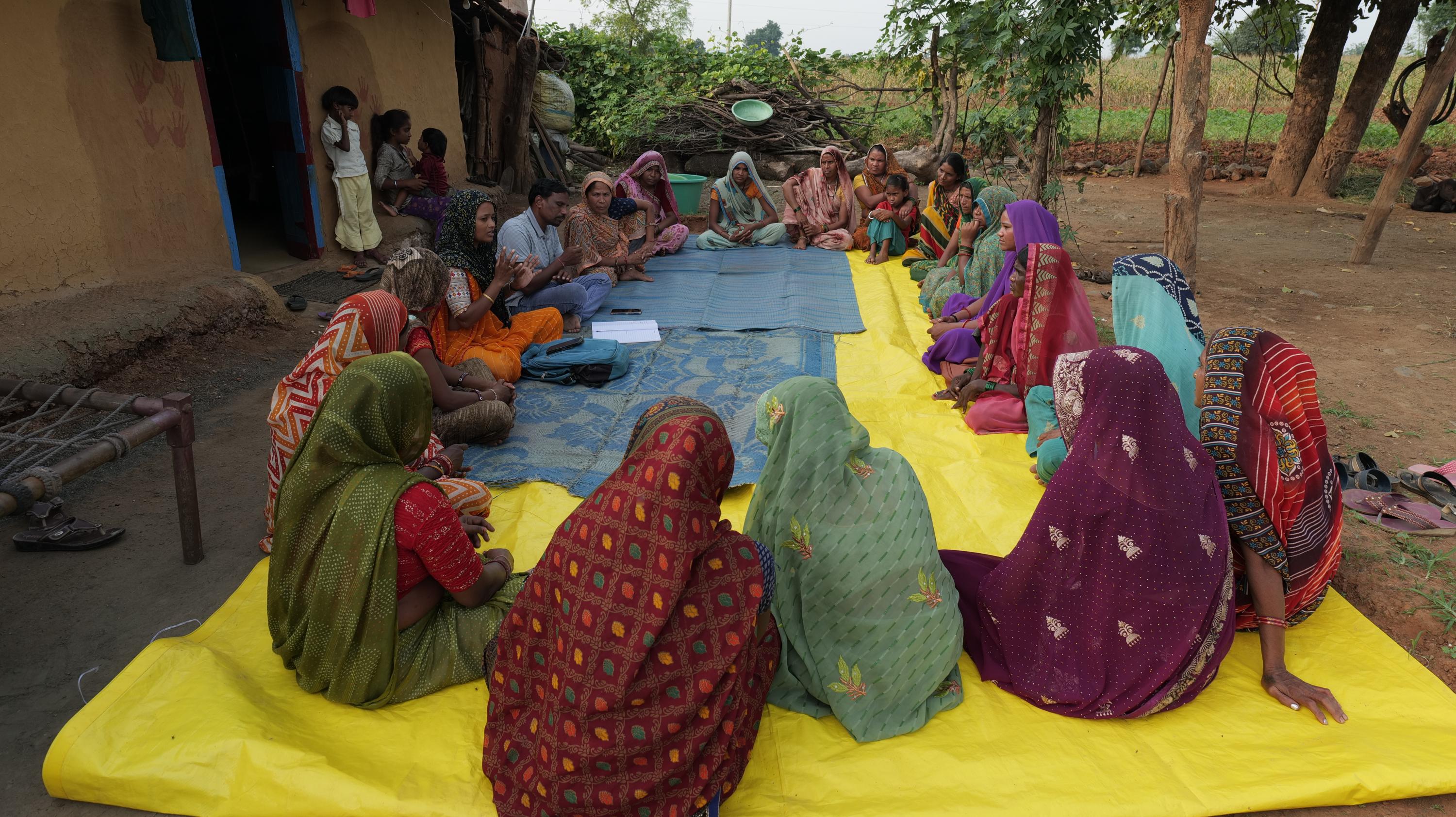
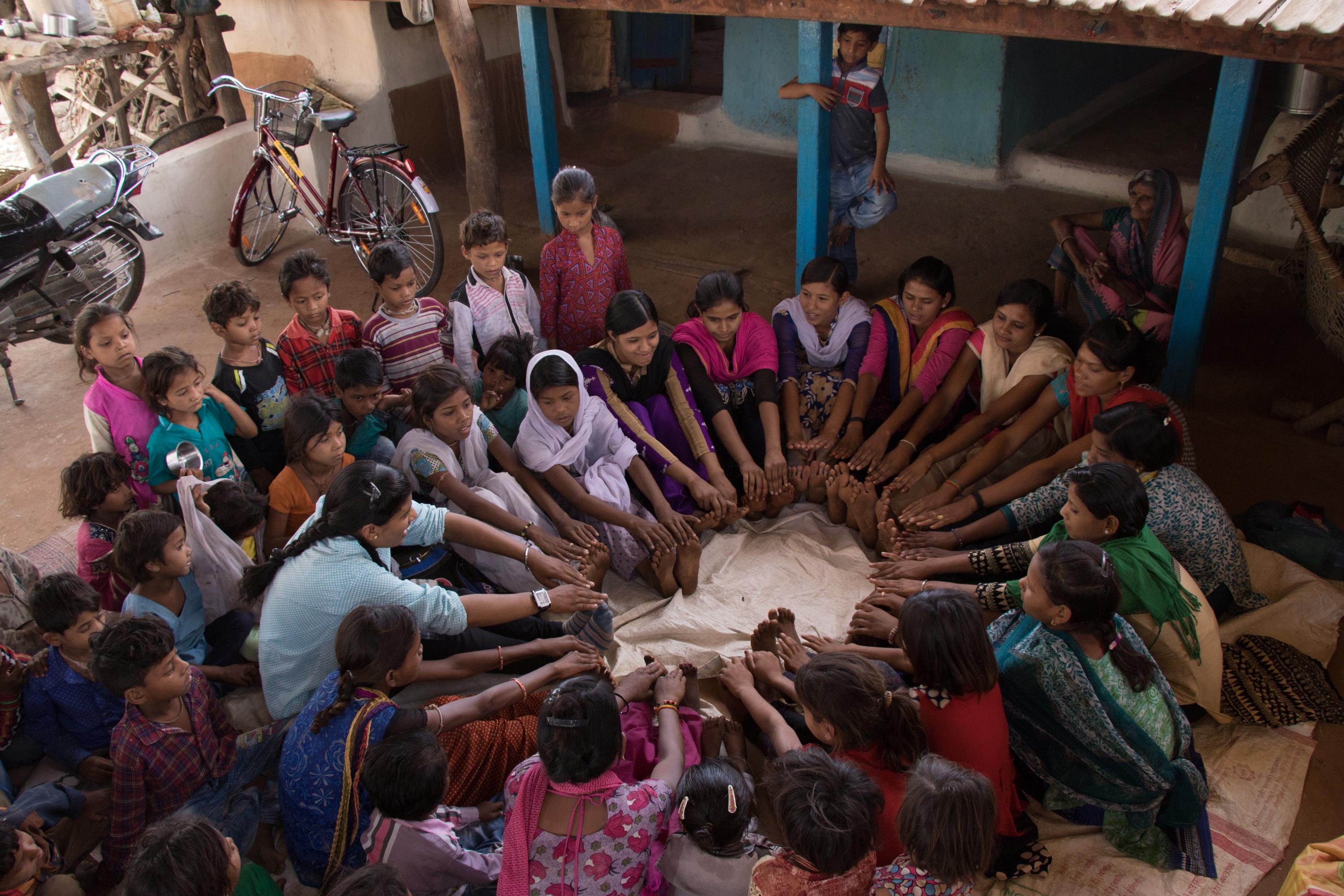
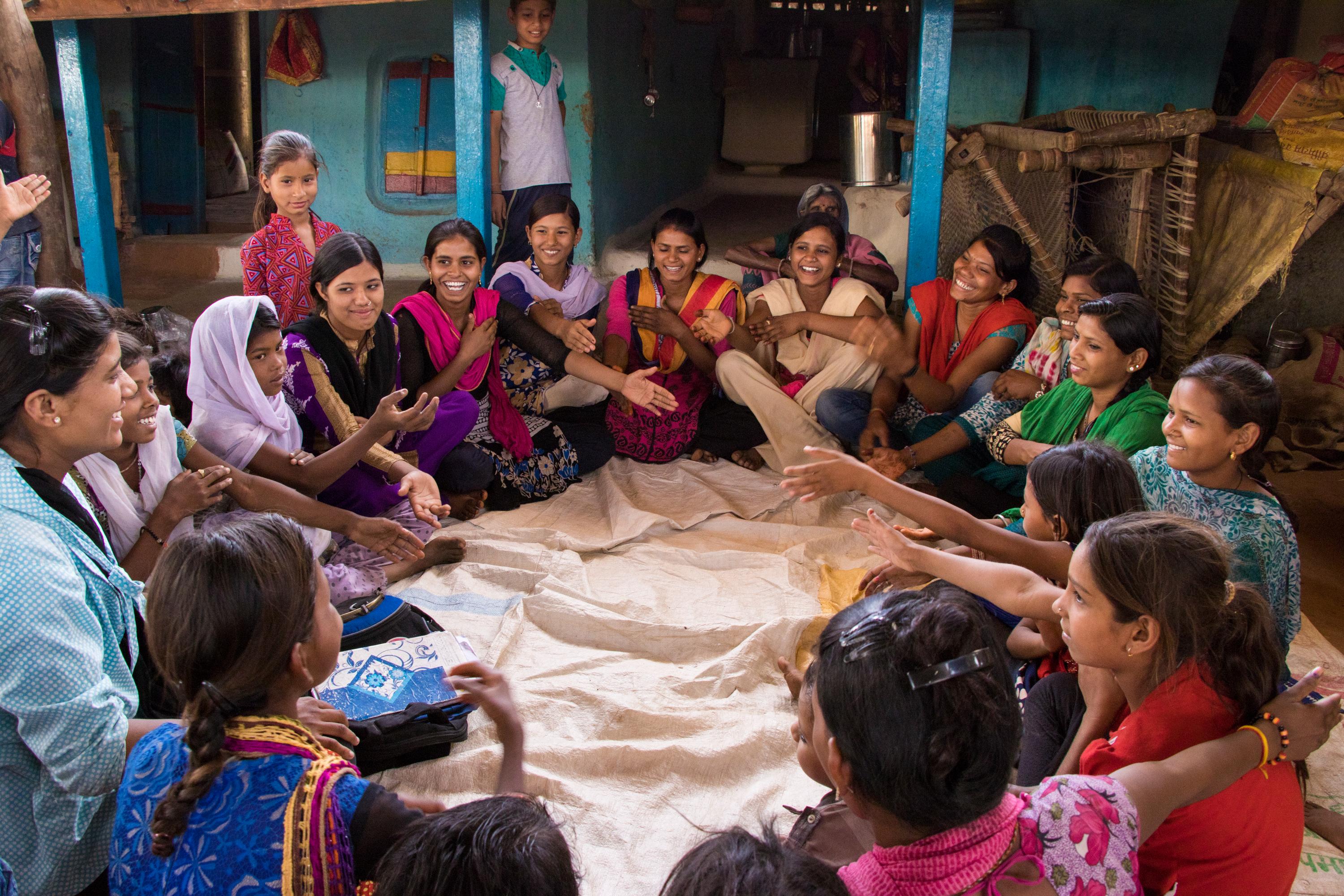
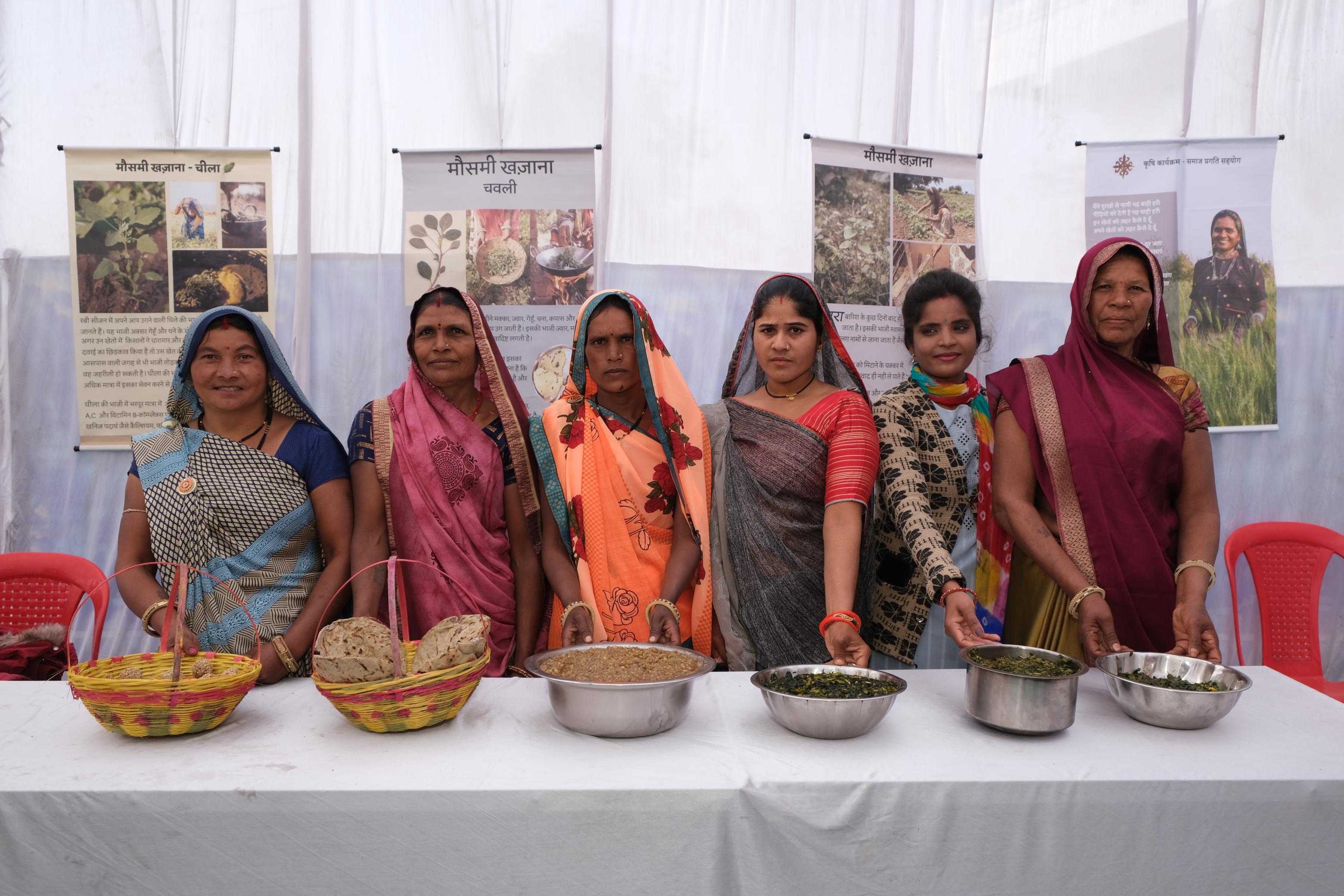
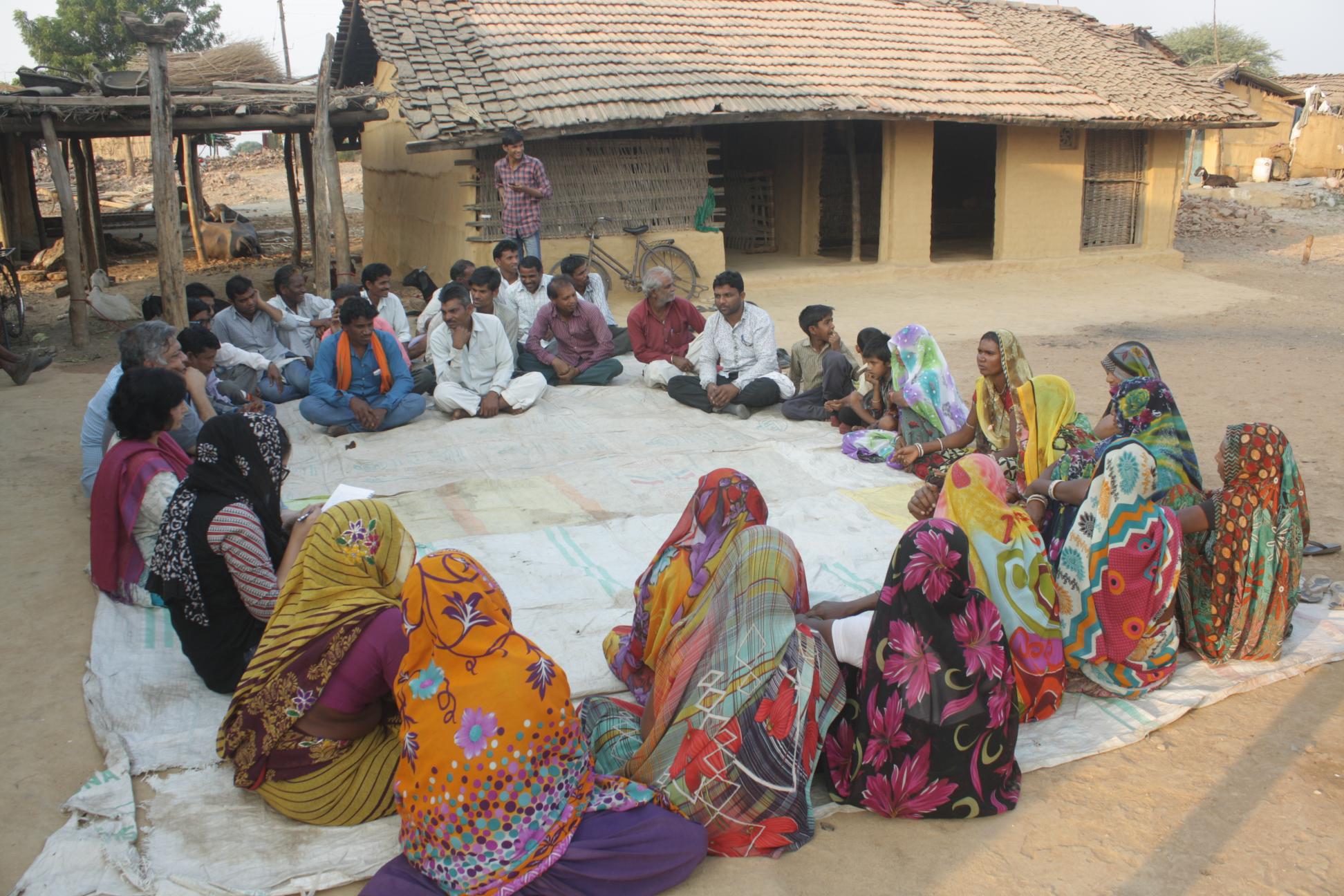
After the enactment of the National Food Security Act, 2013, RTF entitlements became legally protected rights. SPS expanded its programme to build on this foundation — forming village-level bodies called 'Hissedari Sabha' that operate in synergy with Panchayati Raj Institutions (PRI), fostering sustainable development. With a focus on malnutrition and women's health, these Sabhas adopt a holistic, two-pronged strategy addressing persistent poverty — revitalising nutrient-rich indigenous foods and ensuring government scheme benefits reach the most marginalised communities.
Hissedari Sabha — Entitlement Programme (2025-26)
In 2025-26, Hissedari Sabha held 2,984 meetings with 474 trainings reaching 11,094 members, while 76 camps were organised across the program area. Women's participation in Gram Sabha stood at 37%, and 14,887 individuals were added to entitlements. Of the 1,616 issues raised, 852 were successfully resolved.
Hissedari Sabha leaders addressed drinking water challenges in 154 villages, facilitating the construction of 88 new water tanks, while road connectivity was improved in 157 villages. Schools, Anganwadis, and community infrastructure were built across 86 villages.
Maternal and Child Health (MCH) Programme
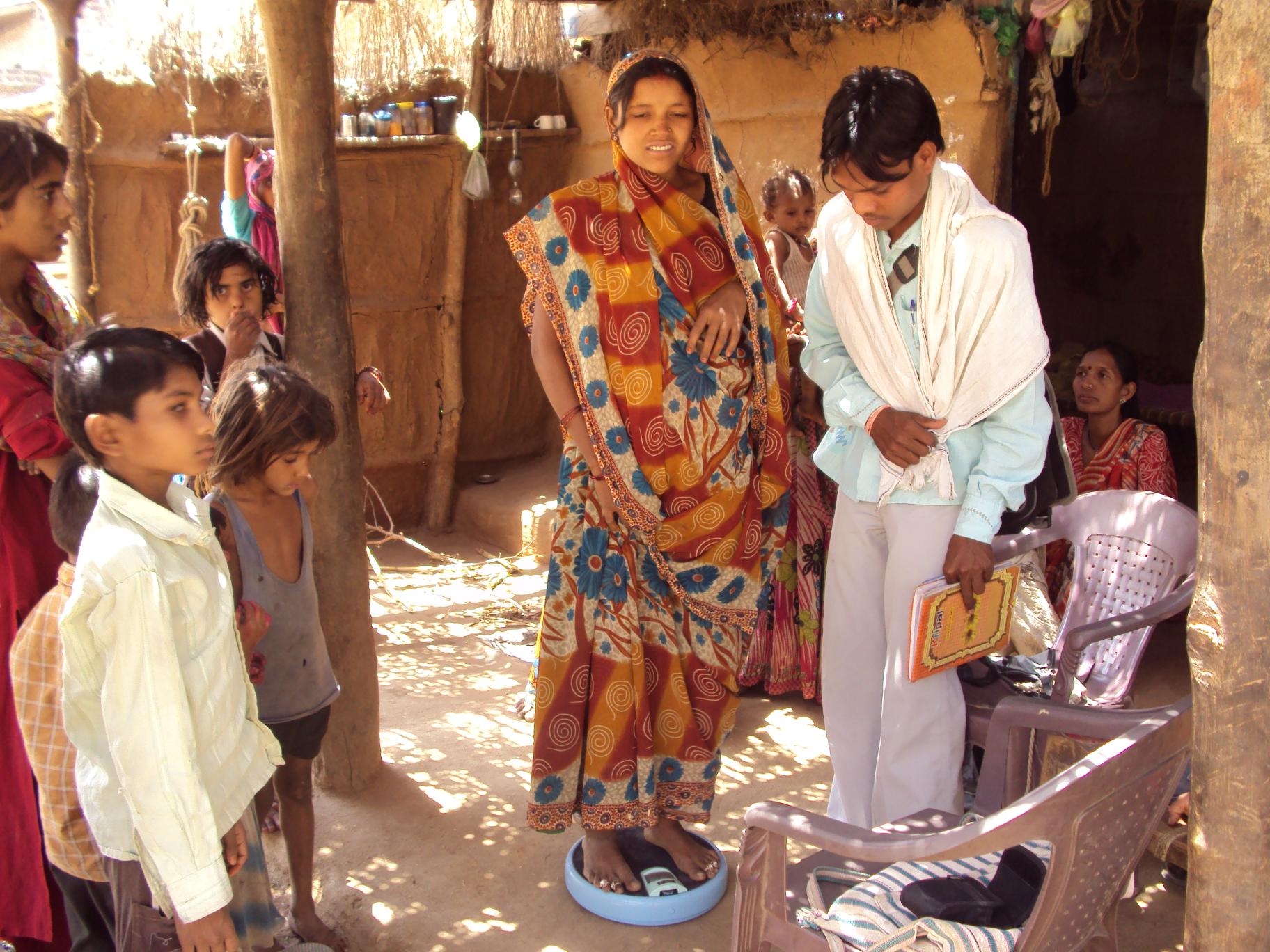
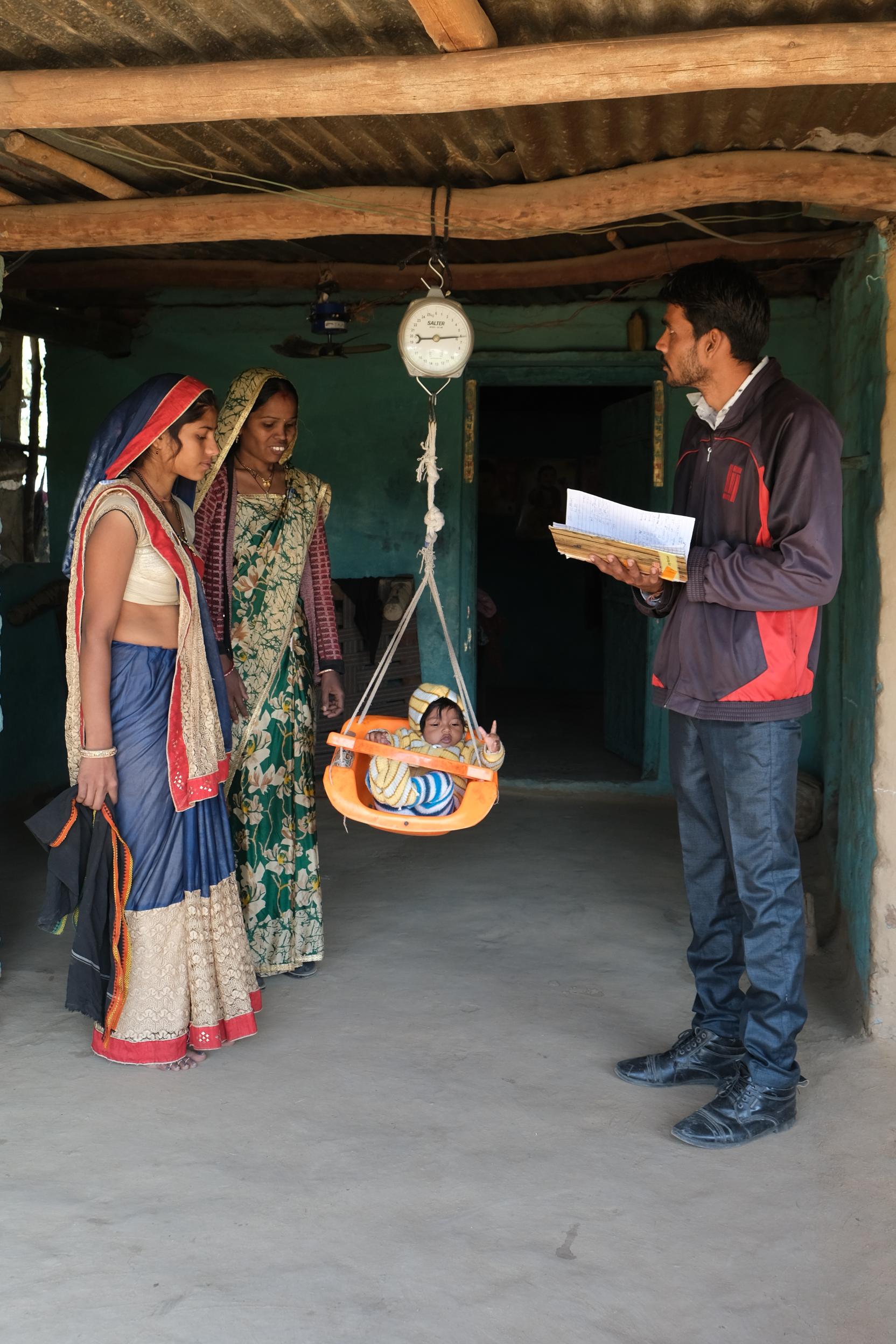
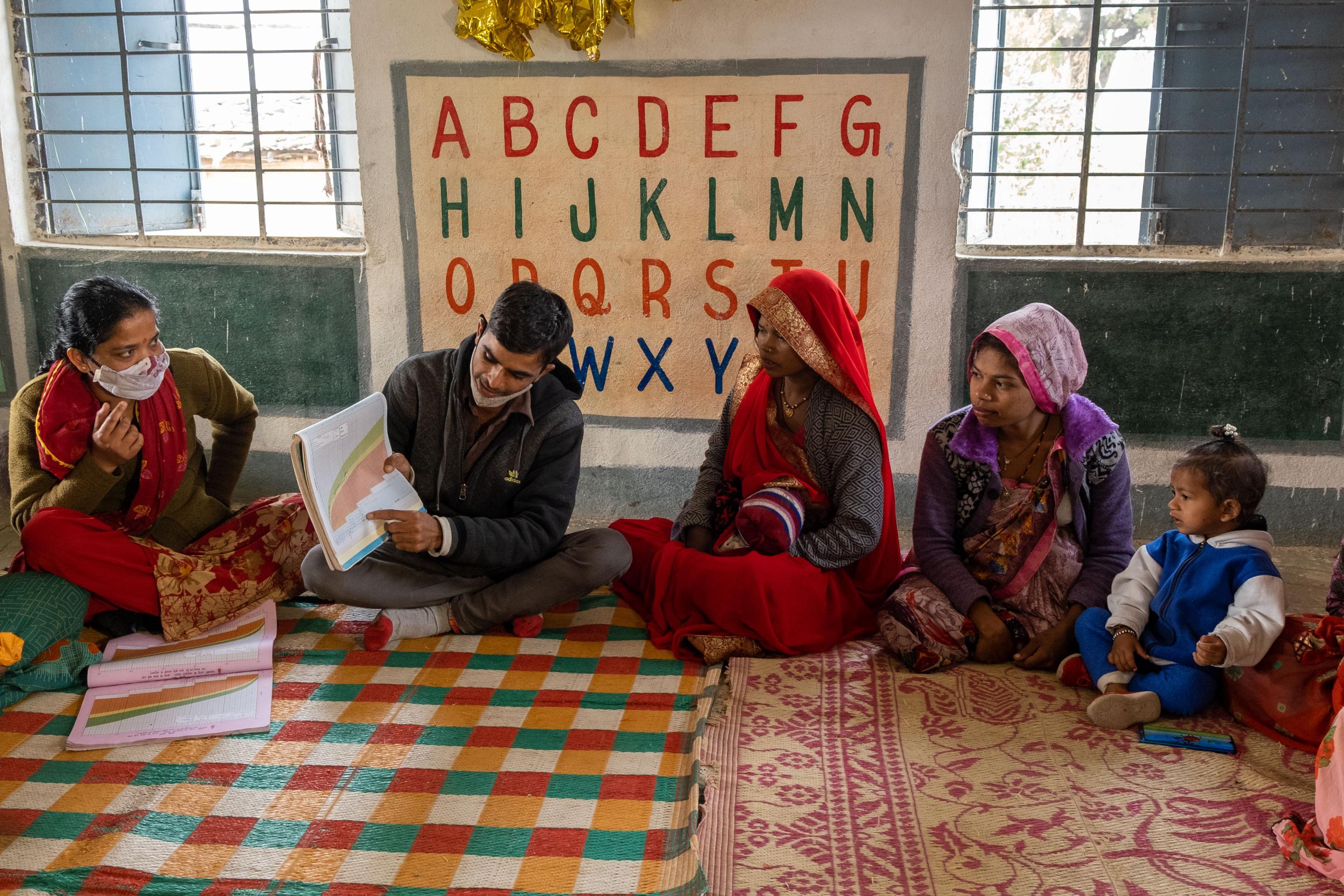
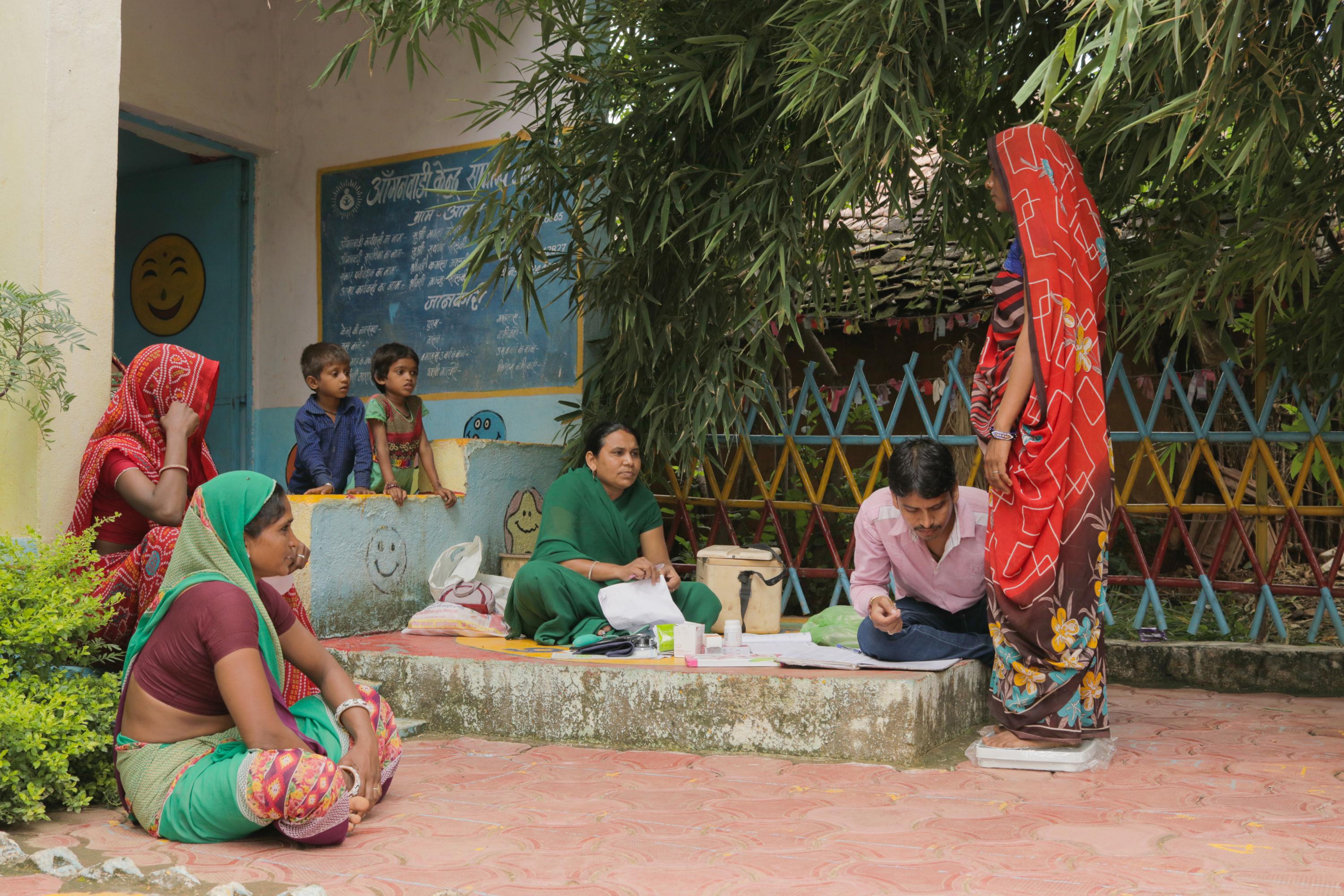
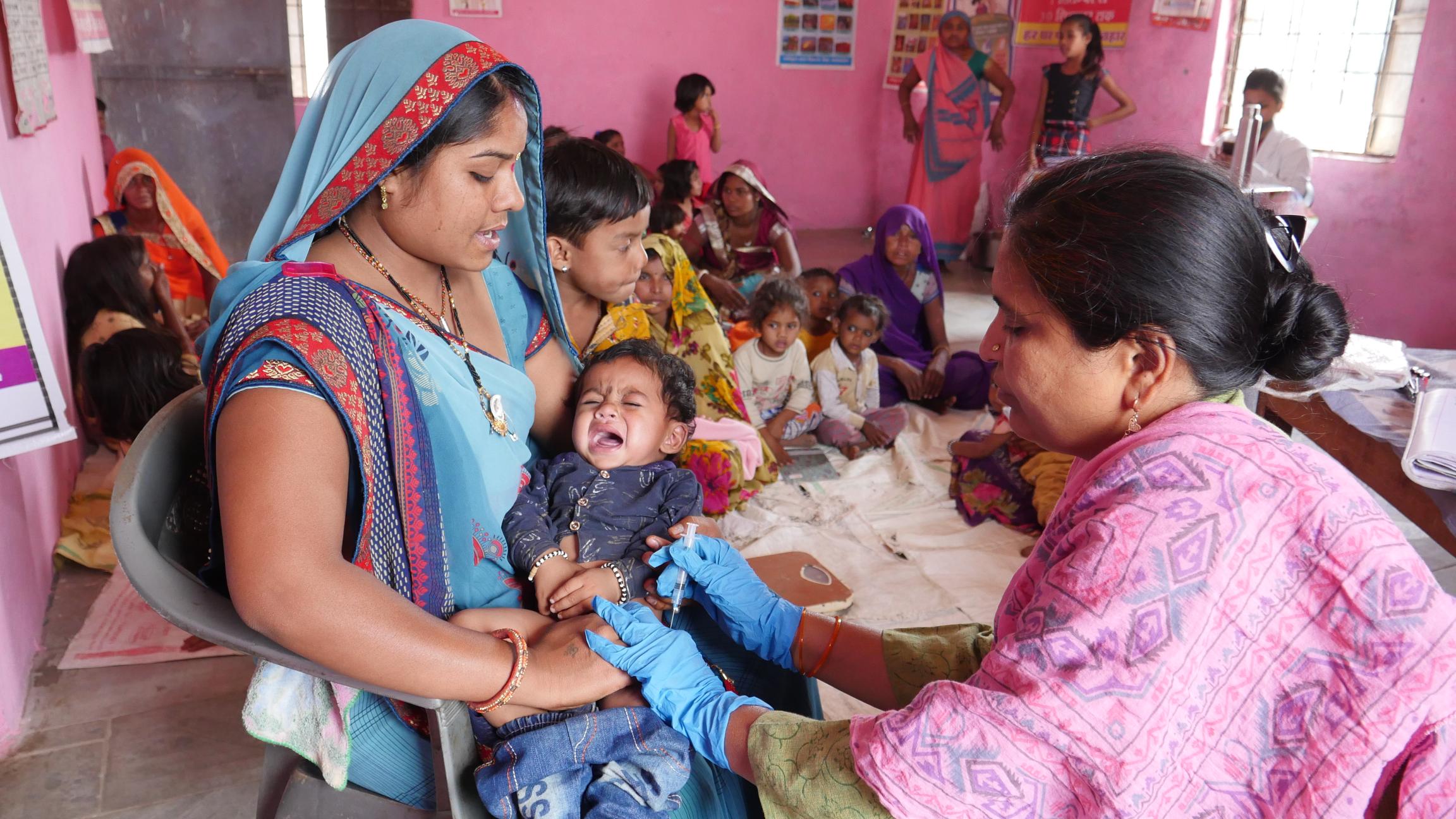
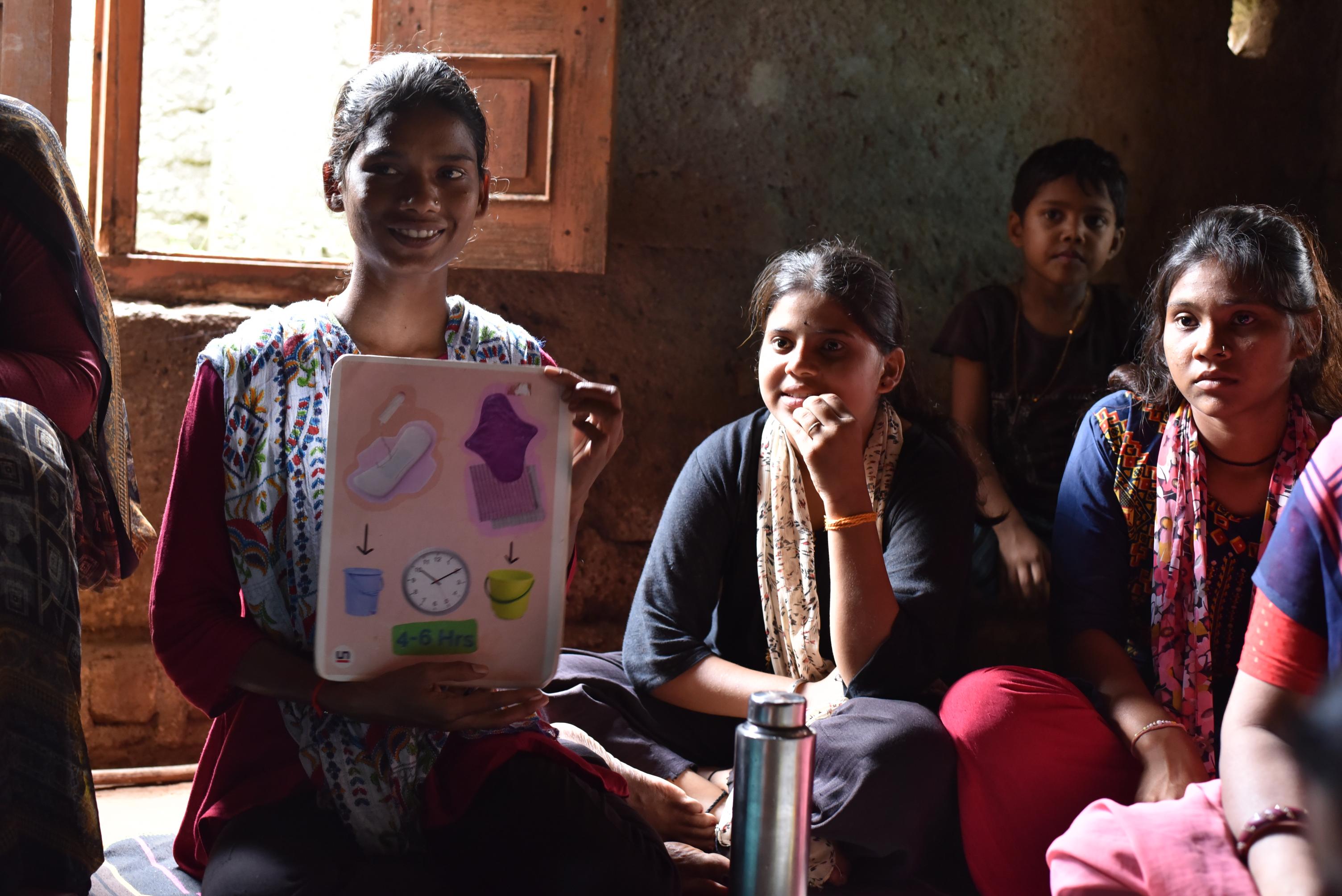
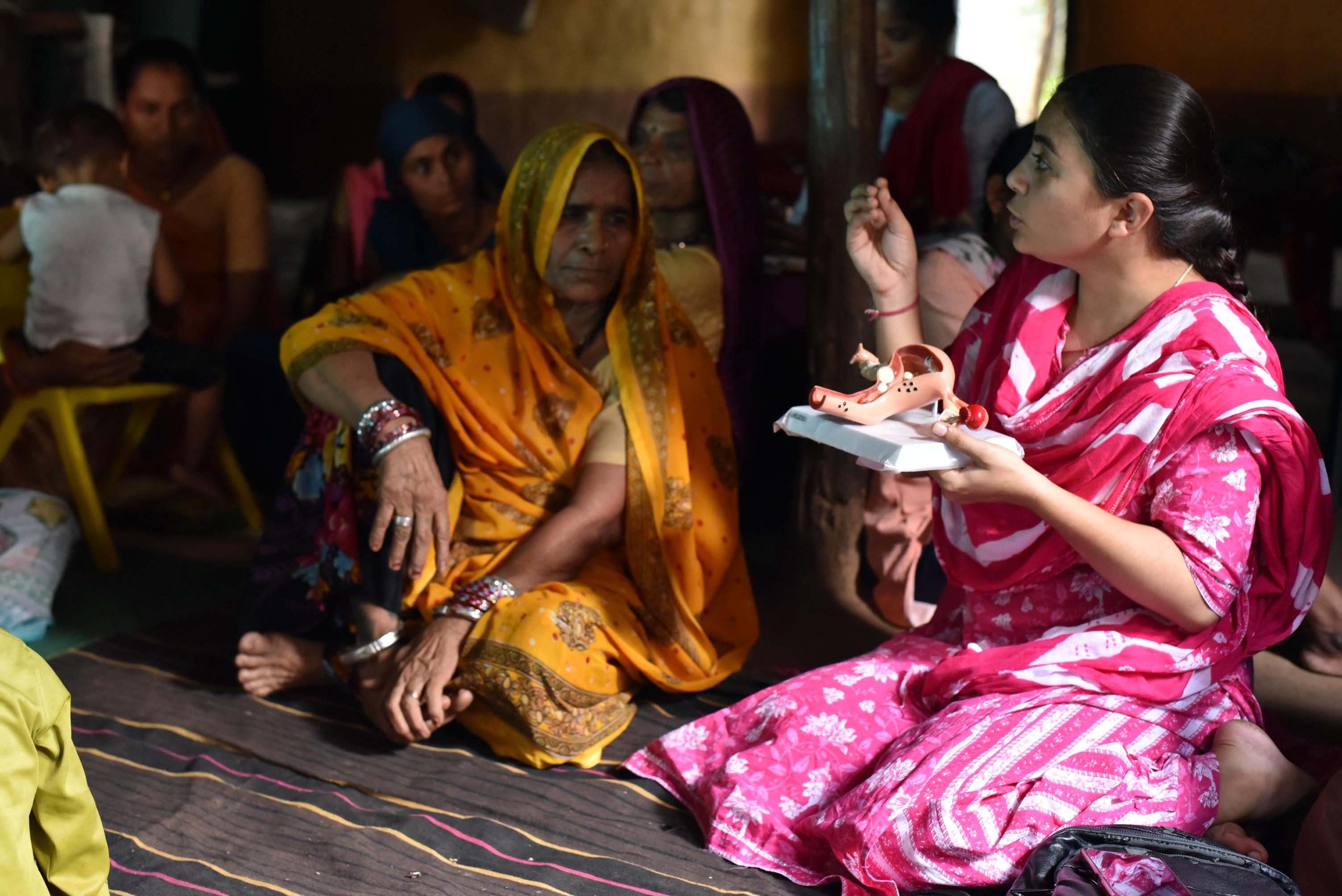
Under the Maternal and Child Health Program, 10,115 pregnant women were tracked and 1,023 received training, with 65 health camps organised and supplementary food provided to 584 individuals. A total of 215 children were referred to NRC, and 889 parent meetings were conducted. Institutional delivery reached 97%, and child malnutrition reduced by 63%.
Hypertension Management Programme
The Hypertension Management Program screened 23,230 individuals, identifying 3,272 BP patients. Interventions included behaviour change counselling, spoon and sticker facilitation, capacity building, hospital referrals, and regular follow-up tracking.
Right to Food — RTF
7,000+ children surveyed; 171 schools improved; 512 BPL cards issued; 47 new ICDS centres started — the foundation of the programme.
Hissedari Sabha
Village-level governance bodies in synergy with PRIs — 2,984 meetings, 14,887 entitlements added, 852 issues resolved in 2025-26.
Maternal & Child Health
10,115 pregnant women tracked; 97% institutional delivery and 63% malnutrition reduction achieved in 2025-26.
Hypertension Screening
23,230 individuals screened; 3,272 BP patients identified with multi-pronged intervention and follow-up tracking.
Infrastructure Advocacy
Water tanks (88), road connectivity (157 villages), schools and Anganwadis (86 villages) built through community pressure.
Nutrition & Indigenous Foods
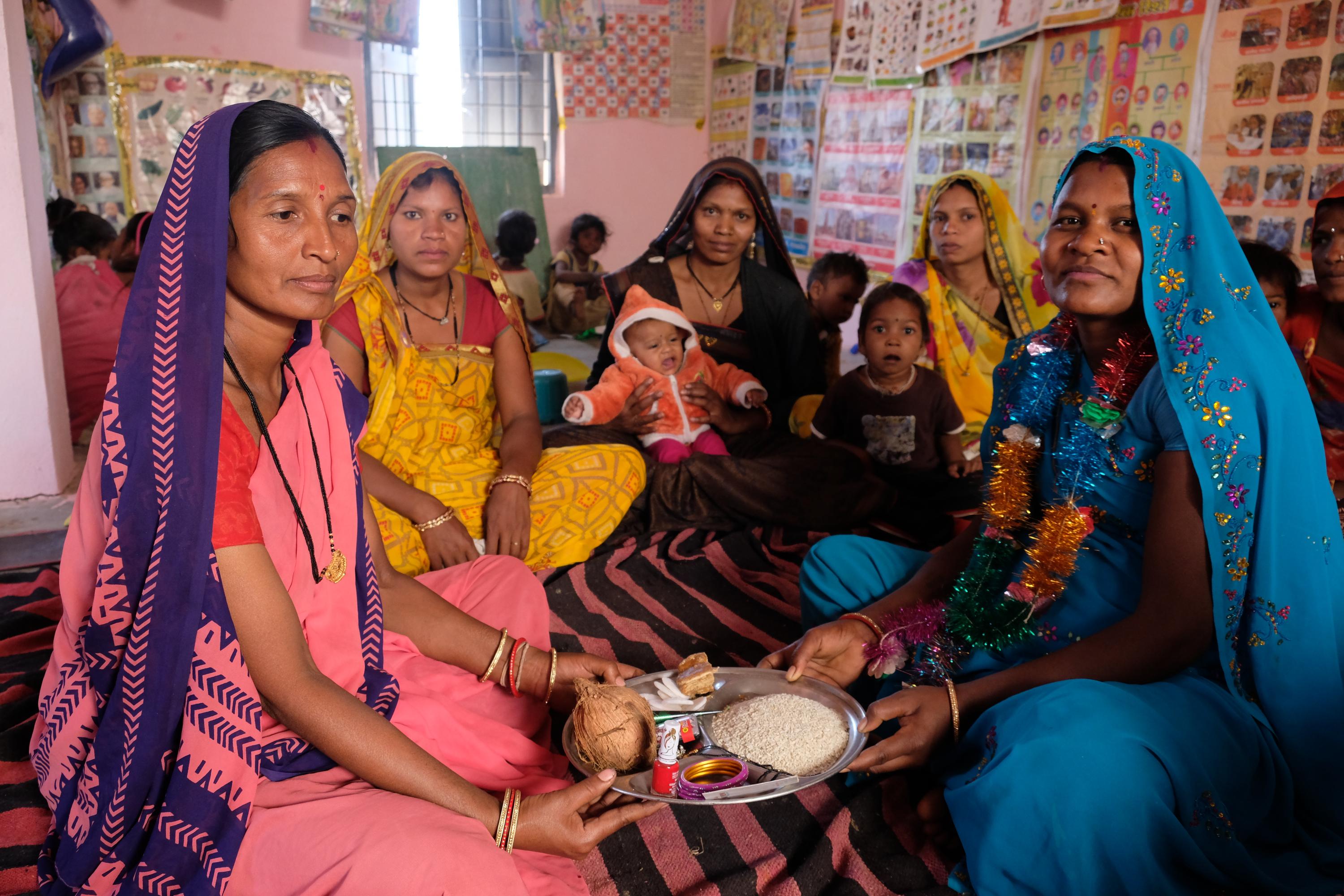
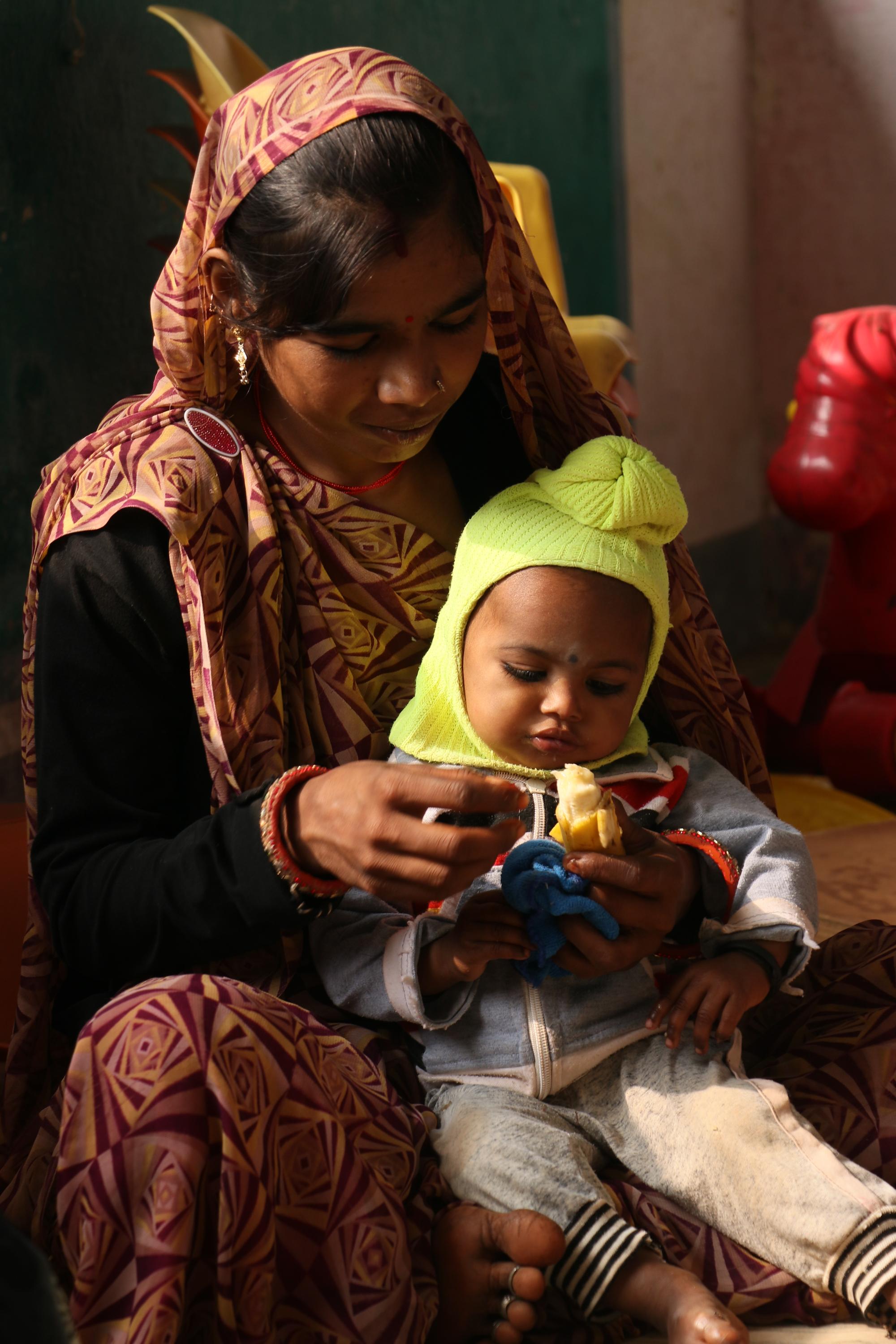
Revitalising nutrient-rich indigenous foods and supplementary nutrition programmes targeting children and pregnant women.
Our Reach & Impact